
The Article
HD M20.2 REVIEW FROM SCANSONIC HD
10th August 2026
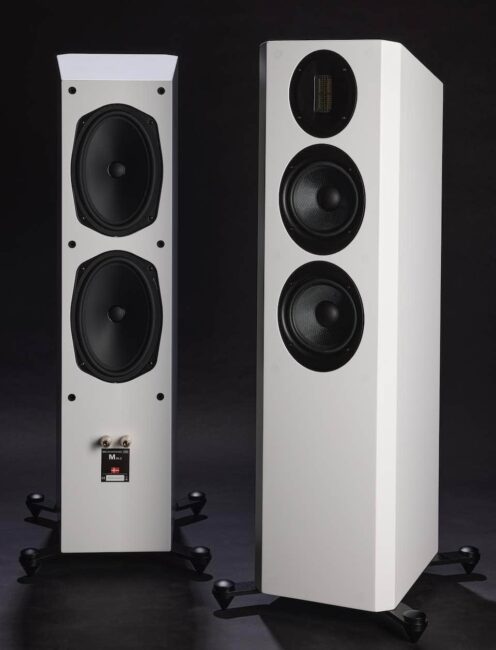
Offering upgrades and tweaks, Paul Rigby listens to the M20.2 version of the Scansonic HD floorstanders
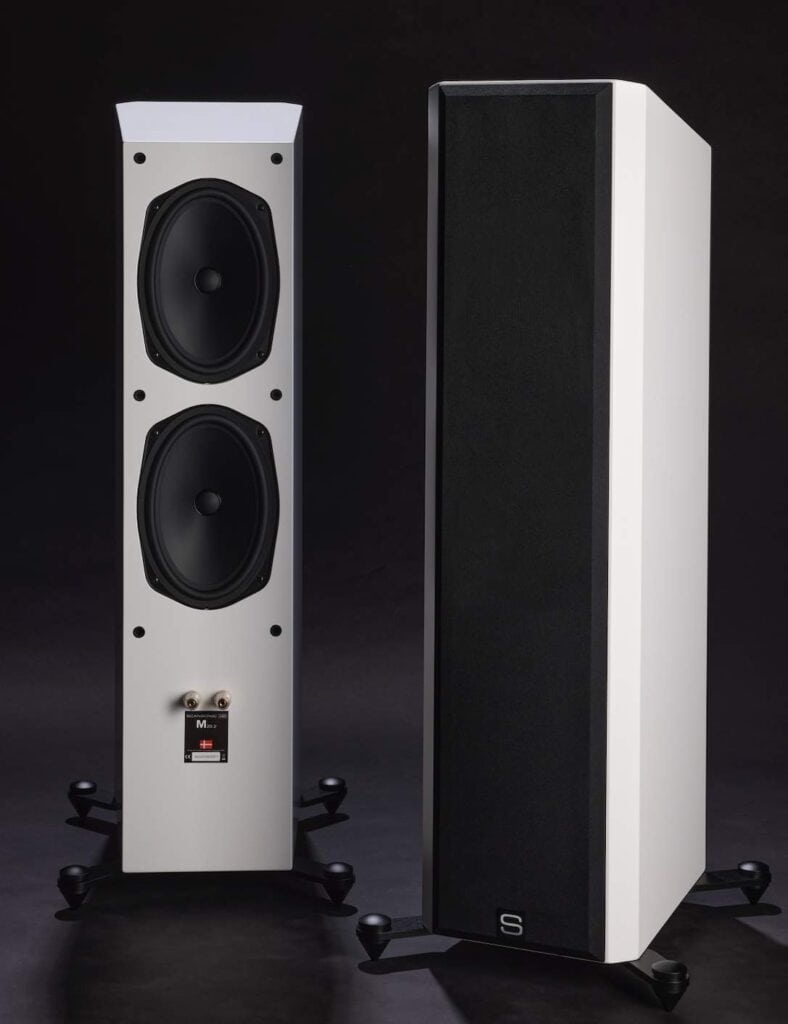
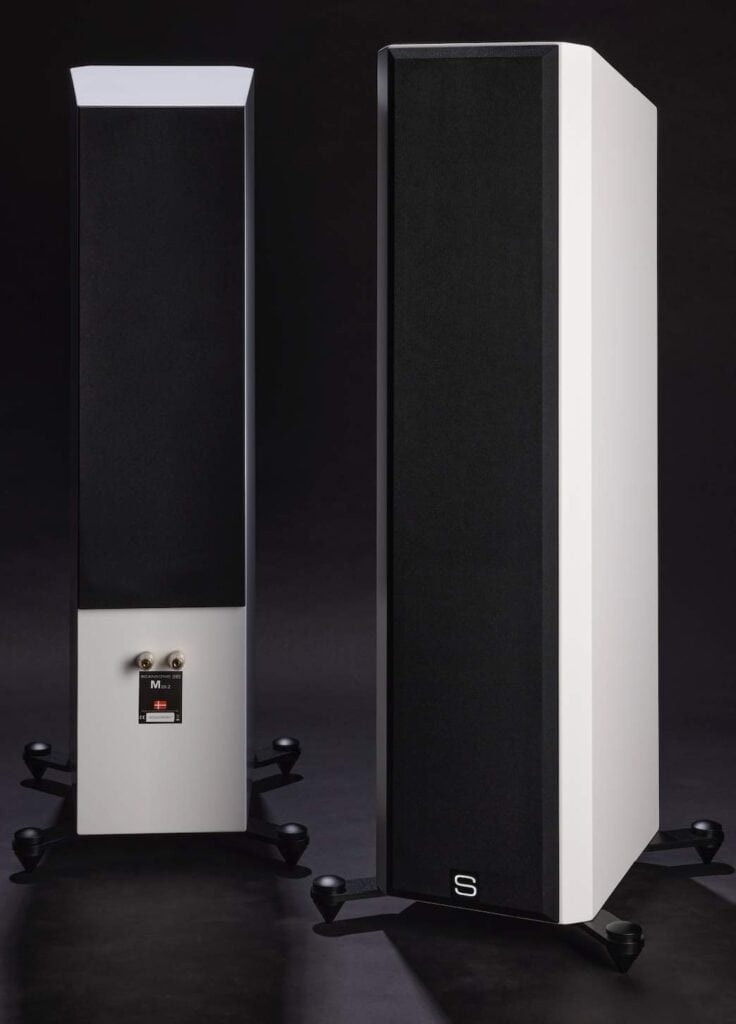
Floorstanding speakers are hardly shrinking violets, by their very nature. Yet the Danish-built, M20.2 speakers from Scansonic HD do not dominate the room. At least not in relative terms. They are short and stocky at 240 x 935 x 380mm, although they weigh a meaty 18.8kg a piece.
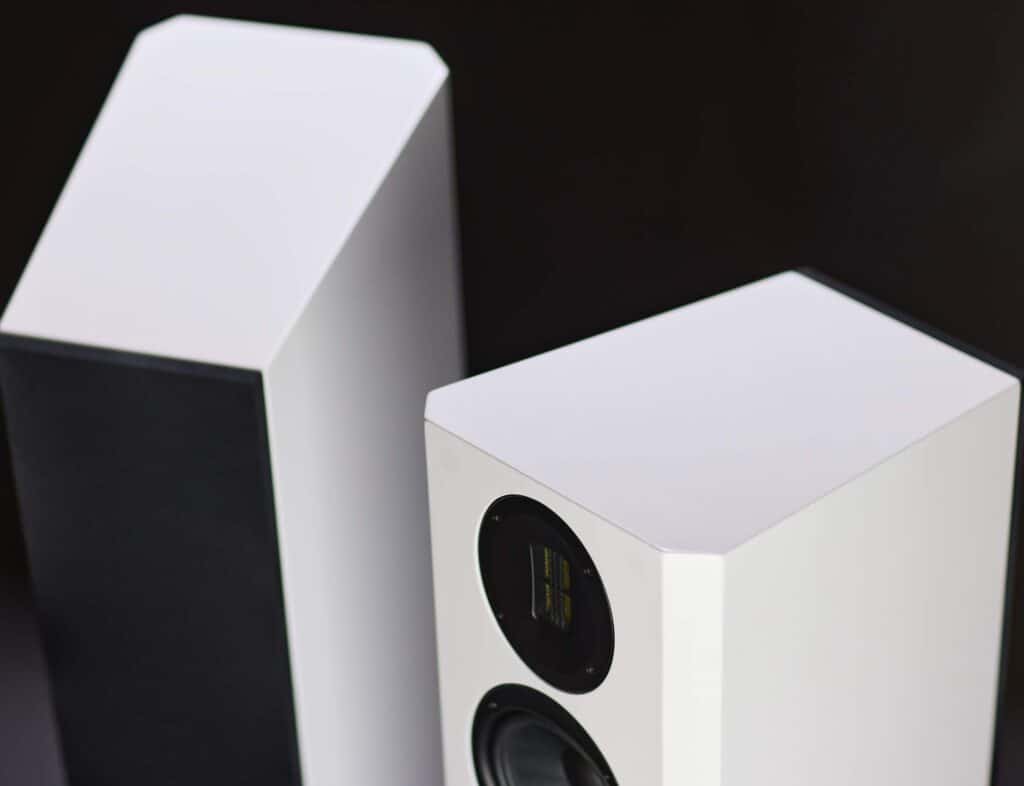
They actually reminded me, in cabinet size terms at least, of the Q Acoustics 3050i speakers but, standing them next to each other, the Scansonic HDs are remarkably, even smaller.
The 8 Ohm M20.2 speakers are not tweaked versions of the original 2021 M20 designs, either. There’s more going on here.
WHAT’S GOING ON?
So expect to find paper cone passive radiators instead of bass reflex ports on the rear. There are two 130 x 230mm units on the rear of each M20.2 speaker. The idea being to tighten the bass output while allowing positioning closer to the wall.
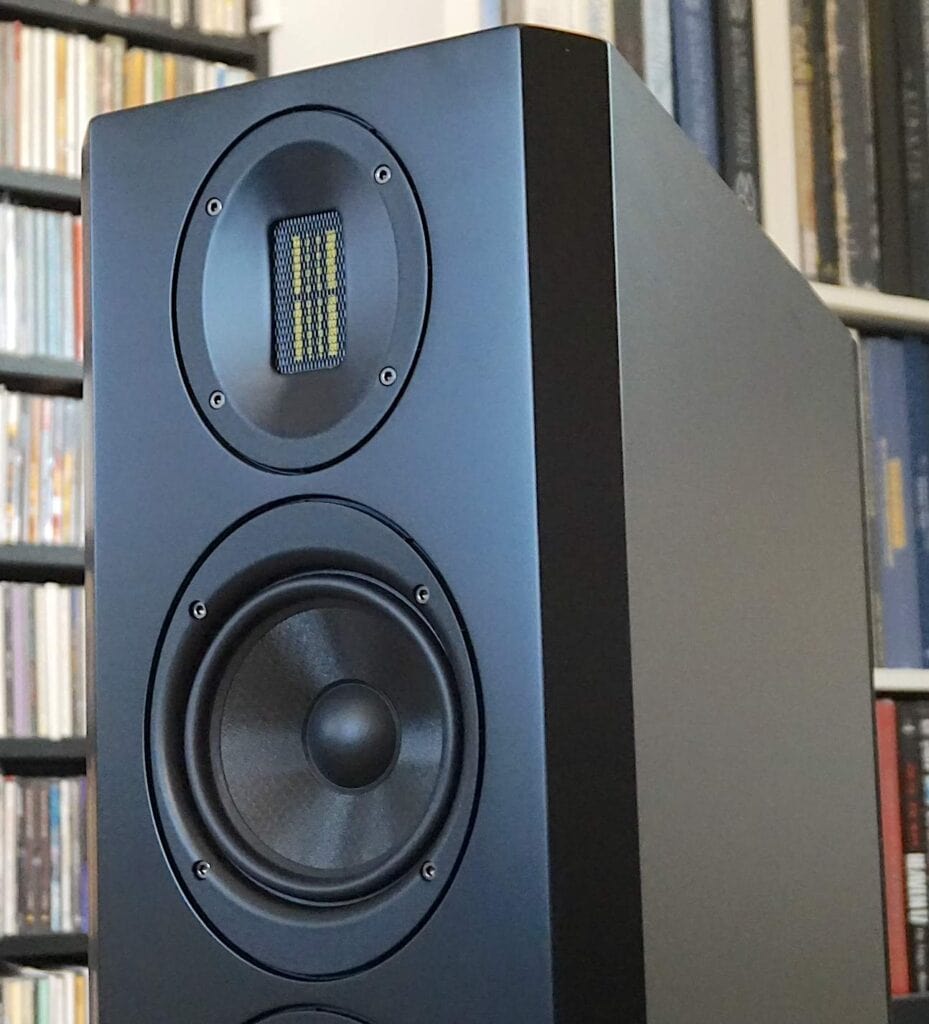
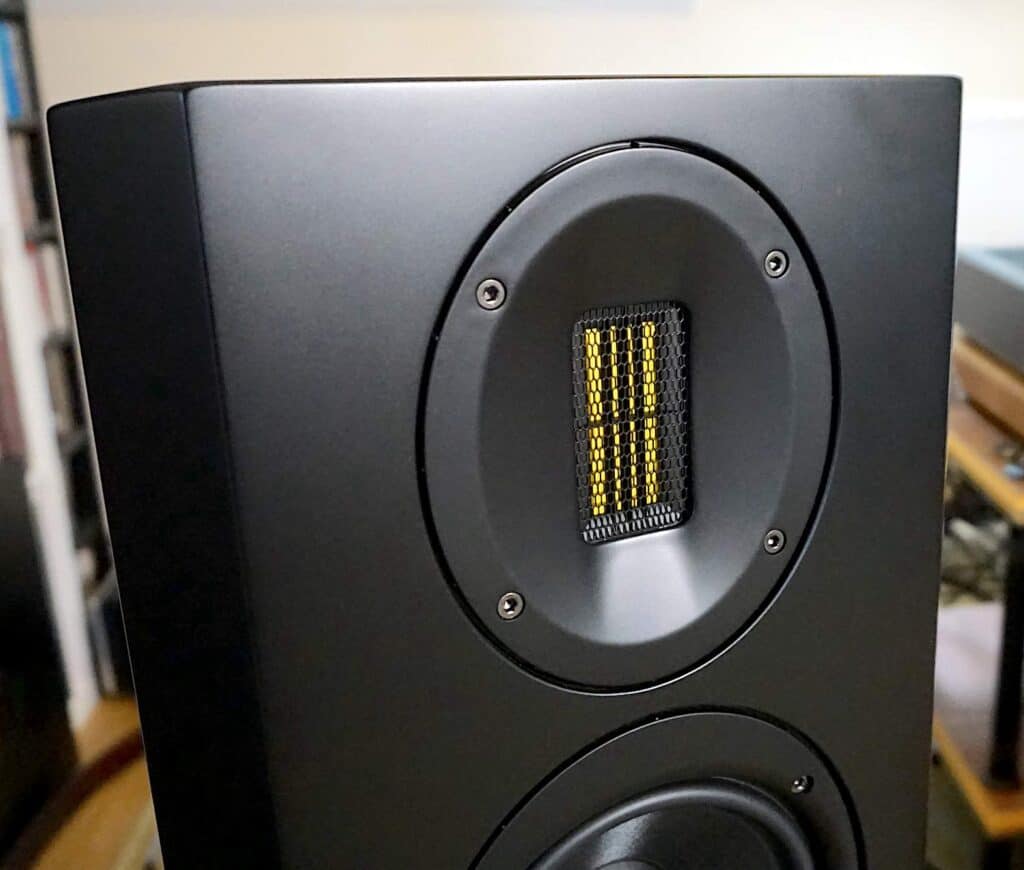
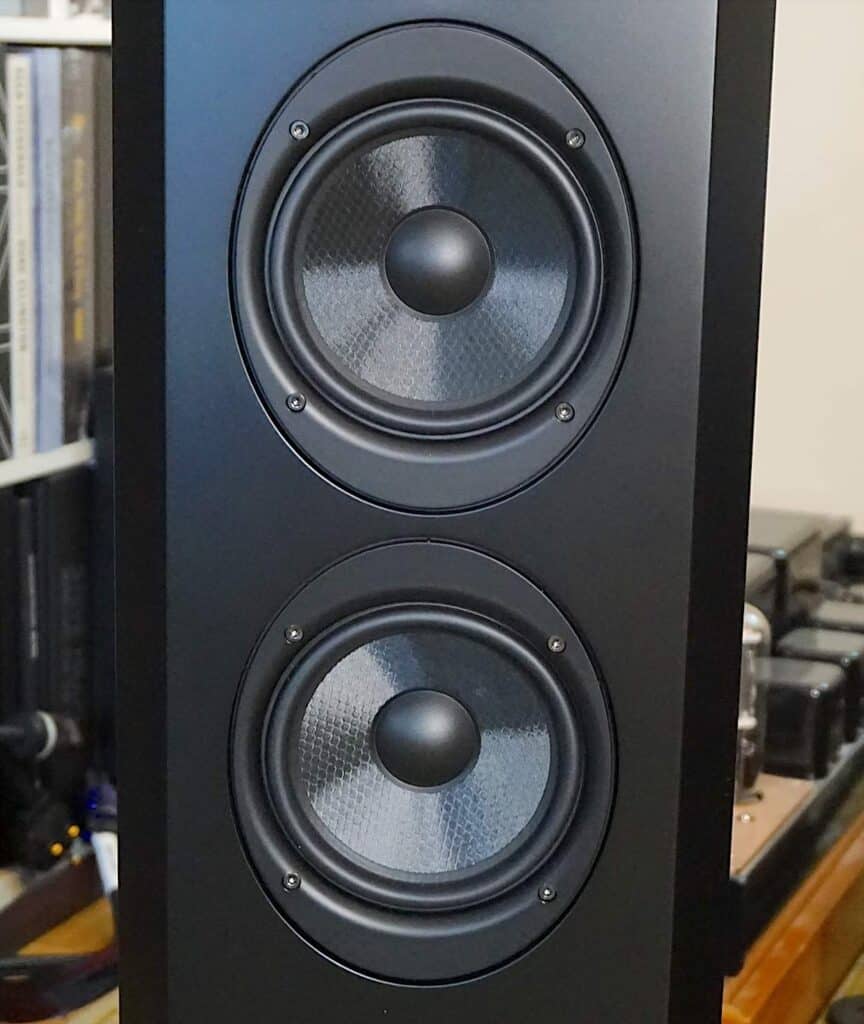
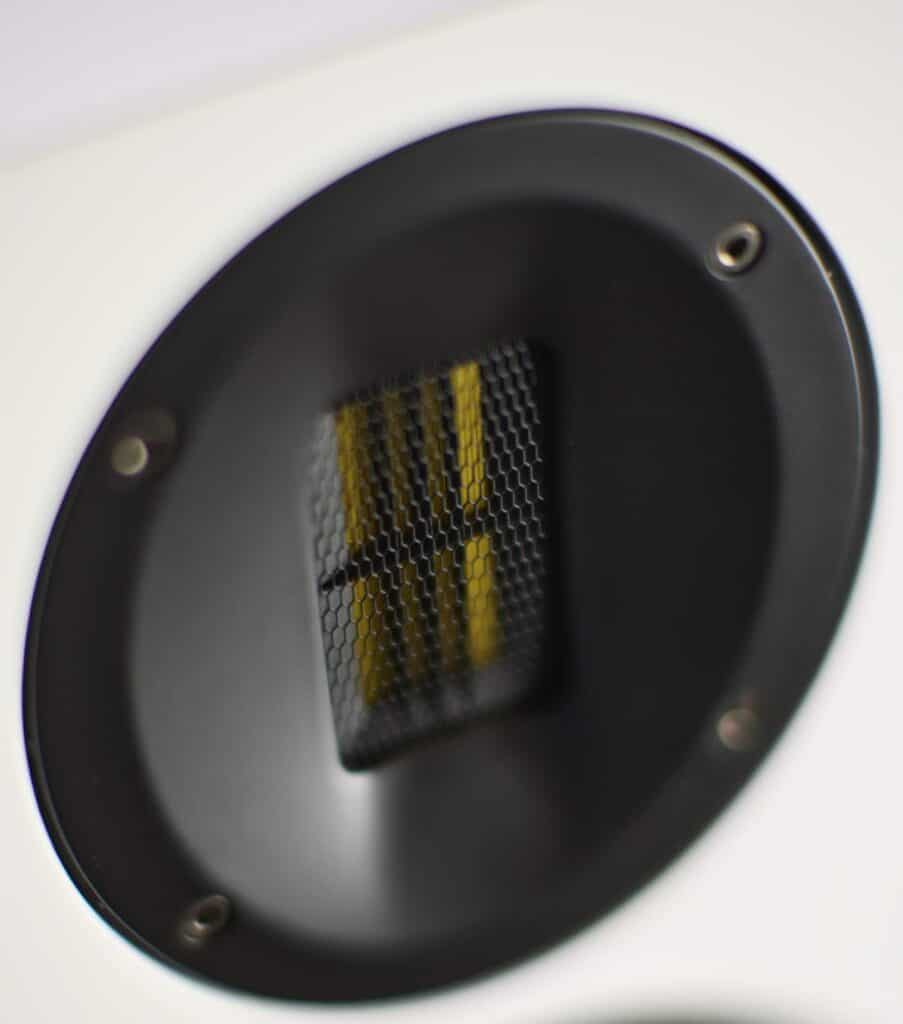
You’ll still find a kapton/aluminium sandwich membrane ribbon tweeter on the front, while two mid/bass ports span 135mm sit beneath. The M20.2s are also rather stockier than the original, slim M20s.

Offering 88db is sensitivity terms, you’ll need an amplifier of 50W or more to get the very best from these speakers. The M20.2 designs are available in silk white or silk black finishes and hence will easily slide easily into your home decor.
So how do they sound?
SOUND QUALITY
Because of that high-quality ribbon tweeter, I wanted to provide a decent challenge, so roped in my Quad 57 electrostatics to see how the high-end frequencies compared.
In software terms, I brought in Leena Horne on CD with Sleepin’ Bee via EMI’s Best Of from 2007. This song offers jazz guitar, funky organ twiddles, percussion, cymbal play, bass and that lead vocal.
Of course, the first impression had to circle the lower frequencies first with a superb resonance from the bass that underpinned the entire track while Horne’s vocal offered a sturdier and better body.
The middle-eight funky organ solo also had an impressive reverberation that occupied the soundstage with devastating effect. The amount of air injected into the large soundstage was also impressive.
VS QUAD ESL-57
In pure upper frequency terms, the Quads offered a lighter and more fragile response but what the ribbon tweeter from the M20.2s provided, combined with those bass units, was weight. That is, when the drummer hit his cymbals, you really felt that he was hitting heavy pieces of metal. Sure, the response was delicate but that instrument was substantial. It was this tonal balance the impressed me most about the Scansonic HDs.
VS Q ACOUSTIC 3050i
I then drafted in the Q Acoustic 3050i speakers which, on the face of it, might be an odd comparison based on its much lower price. Even so, I am constantly challenged by viewers and readers as to why they should spend more for any pair of floorstanders. :What, really, is the point?” they ask? Others request upgrade suggestions. So this test could answer both questions.
On related points, the cabinet sizes were very similar. More than that, both speakers utilised twin mid-bass units. So there was interested design comparison and contrasts here.
I turned to vinyl and the poptastic 70s hit January from the UK band, Pilot. Now I love the Q Acoustics 3050i speakers. I gave them an award-winning review when I covered them on this website. When compared to the Scansonic HD designs though? To begin, this track features a bass guitar? I basically heard that instrument for the first time here via the 20.2s, which not only added tonal balance to the song as a whole but provided pace and tempo, moving the song along at a fair clip.
UPPER FREQUENCIES
Next? In the upper frequencies, the tambourine was pushed further forward in the mix. You can hear it via the 3050is but there’s much more detail and presence from the tambourine via the M20.2s. In addition, the entire notion of vocal harmonies becomes more important too, forming a richer presentation from this track as each voice within the harmonies becomes distinct.
There’s insight too, shy noodling from the lead guitar during vocal sections and the backing orchestra that provides further opulence for the track as a whole.
In short? The Scansonic HD’s version of the Pilot track is completely different to the story the 3050i wants to tell you. Effectively, via the 20.2 speakers, the tracks sounds like a remix or remaster or both.
CONCLUSION
And its exactly that sound comparison, with the Q Acoustic 3050i speakers, that indicates exactly why the Scansonic HD 20.2 speakers should provide the perfect upgrade opportunity for your HiFi system. If you are currently toting a pair of sub-£1k floorstanding speakers, then look seriously, very seriously, at the Scansonic HD 20.2 designs. They give you that expected floorstanding performance sure but every part of the sound envelope is improved.
What surprised me though was how those improvements were made. With elegance, with a sense of panache and with style.
The Scansonic HD 20.2s positively drip self assurance and high-end flair. One of the easiest recommendations I’ve had to make in a long time.
Prefer a video review? Click below:
SCANSONIC HD 20.2 FLOORSTANDING SPEAKERS
Price: £2,450
Website: scansonic.dk or www.decentaudio.co.uk for UK distribution information
GOOD: bass character, wide soundstage, tonal realism, tonal balance
BAD: nothing
RATING: 9

Reviewed by Paul Rigby — Hi-Fi journalist and editor for over 38 years

Don’t forget to check out my Patreon Page at www.patreon.com/audiophileman, for exclusive postings and more!]
OTHER REFERENCE KIT
Origin Live Sovereign turntable
Origin Live Enterprise 12″ arm
Icon PS3 phono amplifier
Aesthetix Calypso pre-amp
Icon Audio MB845 Mk.II Monoblock Amplifiers
Quad ESL57 Electrostatic Speakers
Blue Horizon Professional Rack System
Harmonic Resolution Systems Noise Reduction Components
All vinyl was cleaned via a Degritter Mk.II
Stack Audio AUVA 50 Isolation Feet
Soundeck DF Damping Feet Mk.II Mini

Aloha Paul,
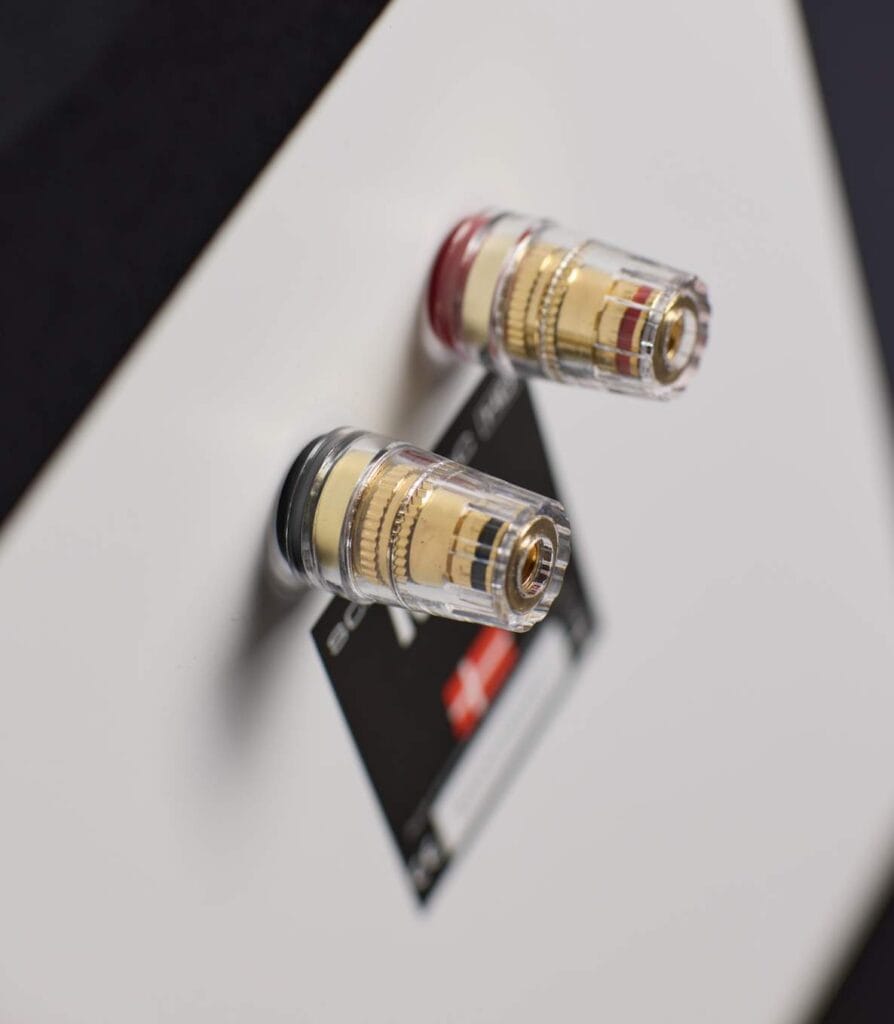
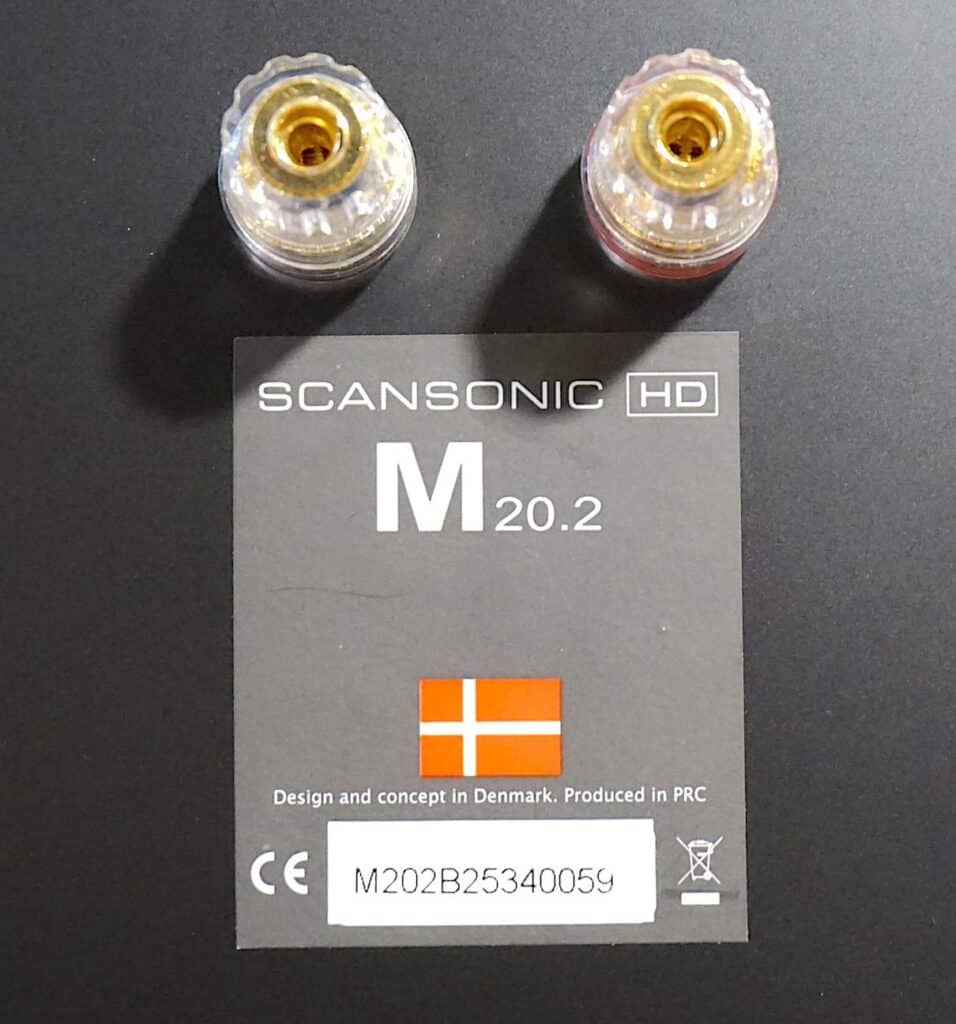
Love your reviews and insight on all things audio! In the first paragraph, you mention the “Danish-built” Scansonics. However, they are actually made in China, as can be seen on the sticker on the back. I personally don’t have a problem with that, but just stating a fact.
HiFi has been a global market since the early 90s. Brands are owned by people in one country, have staff in a second including the designers, obtain parts from a third and possibly fourth and then built at a fifth. It’s only because of people like me on YouTube giving everyone close ups of cabinets and chassis that the China connection seems ‘new’. It isn’t. Also, most companies don’t tell you. They pretend this turntable or that amp is home grown. It isn’t. Simpler accessories can be. Cables too. For more complex HiFi components, if you had to build everything in your home country, source all parts in your home country, design everything in your home country, etc. You’d be paying five times the price. Because of the above, the design direction, the place that injects a component with its personality, that is seen as ‘home’.
Paul,
Thanks – these look really interesting. Given your long attachment to the Icon Audio 845 monoblocks, do you think my Stereo 845 would drive these in a not very big room?
I don’t see why not, John. Scansonic suggests amplifiers of 50–180 W. The 845 sits just below that guideline, so I’d expect a good match for moderate levels, but less headroom and potentially less bass grip if you play loudly in a large room. So you should be fine.
Many thanks, Paul. I promise to let you know if I get to do it.