
The Article
QUAD 57 REVIEW FROM AQUADTHING AUDIO
27th July 2026
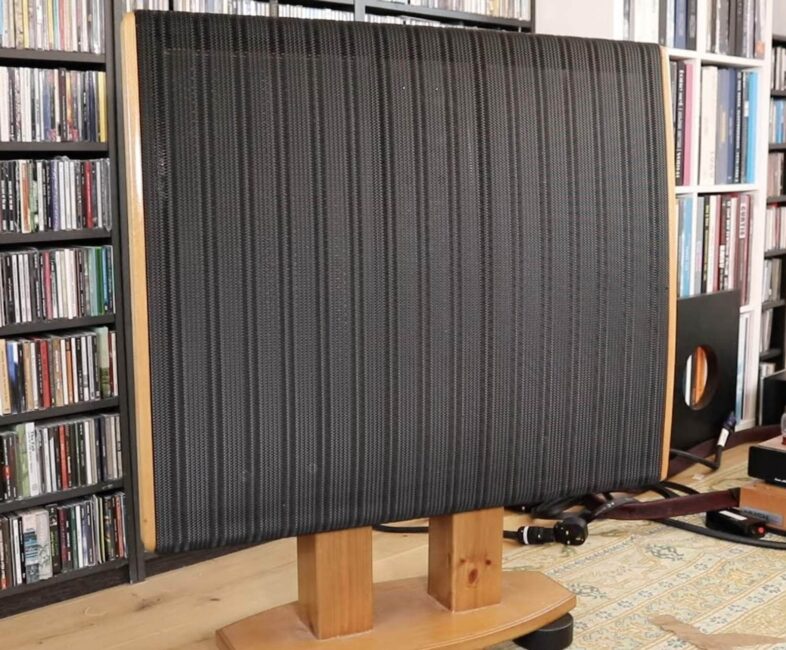
Based in Leicester and Banbury in the UK, can AQuadThing Audio’s new Quad 57 panel improve on perfection? Paul Rigby is all of a-quiver
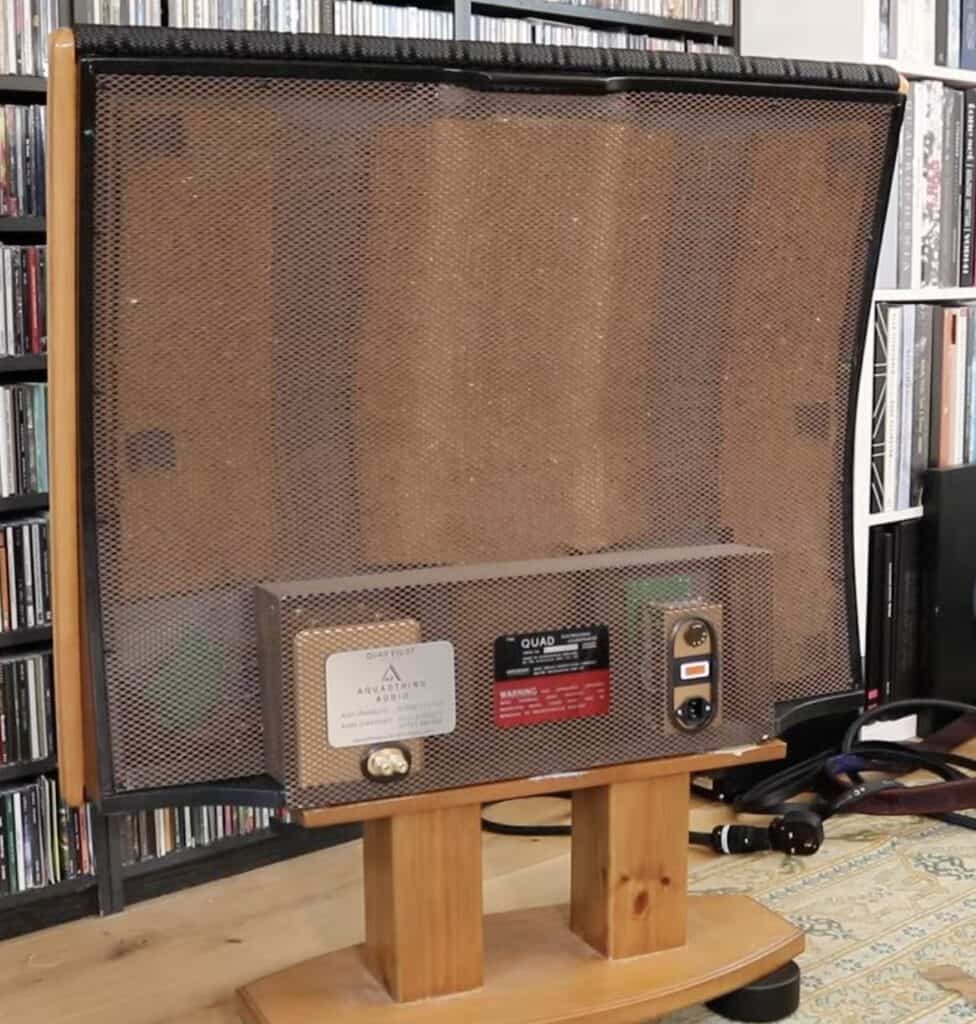
I own a pair of modded Quad 57 flat panel speakers. Modded by refurb and acoustical engineering outfit, AQuadThing Audio, currently based in Leicester and Banbury in the UK, when they were then known as One Thing Audio. I bought mine almost 20 years ago. They are, to my ears, the best speakers in the world. Bar none. Yes, bass is lacking, yes other speakers can do this or that much better than my modded 57s but overall and when factoring in the price? Nothing can touch them: both in general listening terms and as a tool for HiFi reviewing.
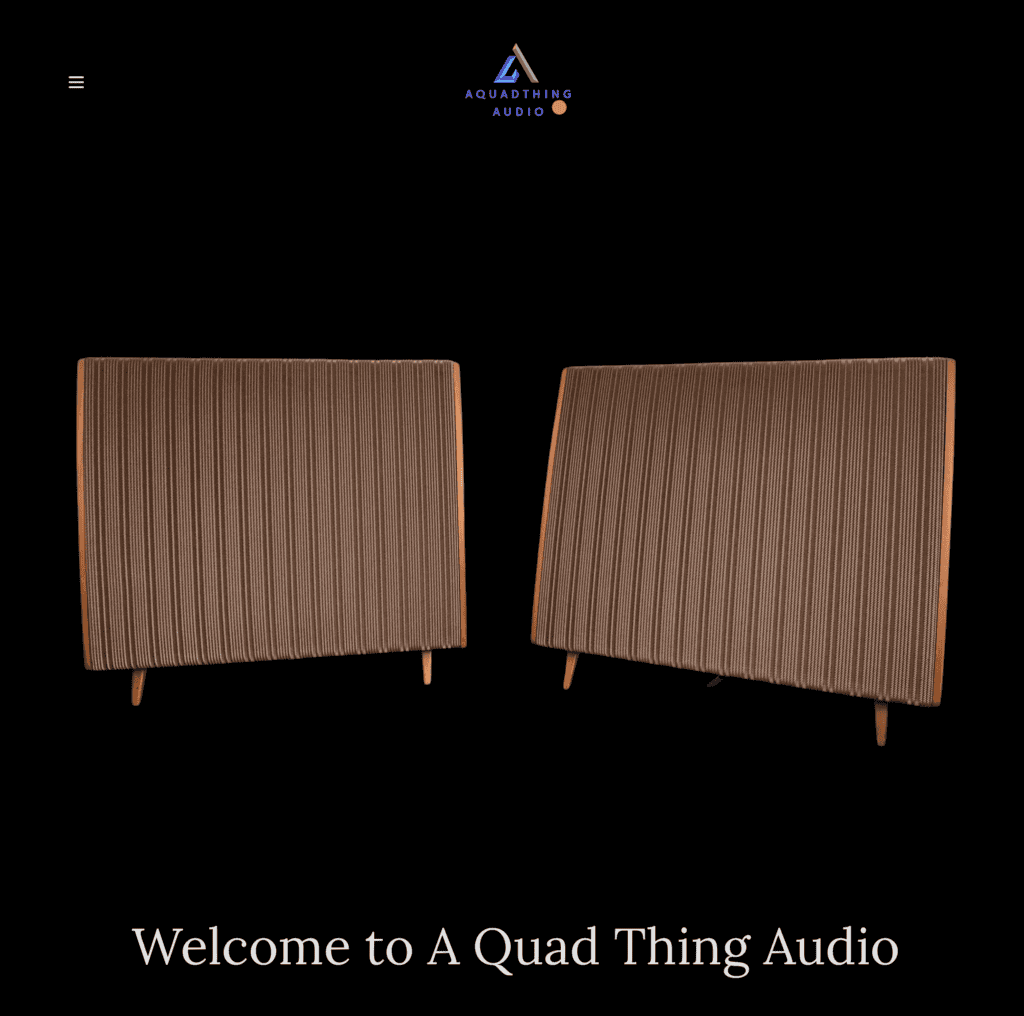
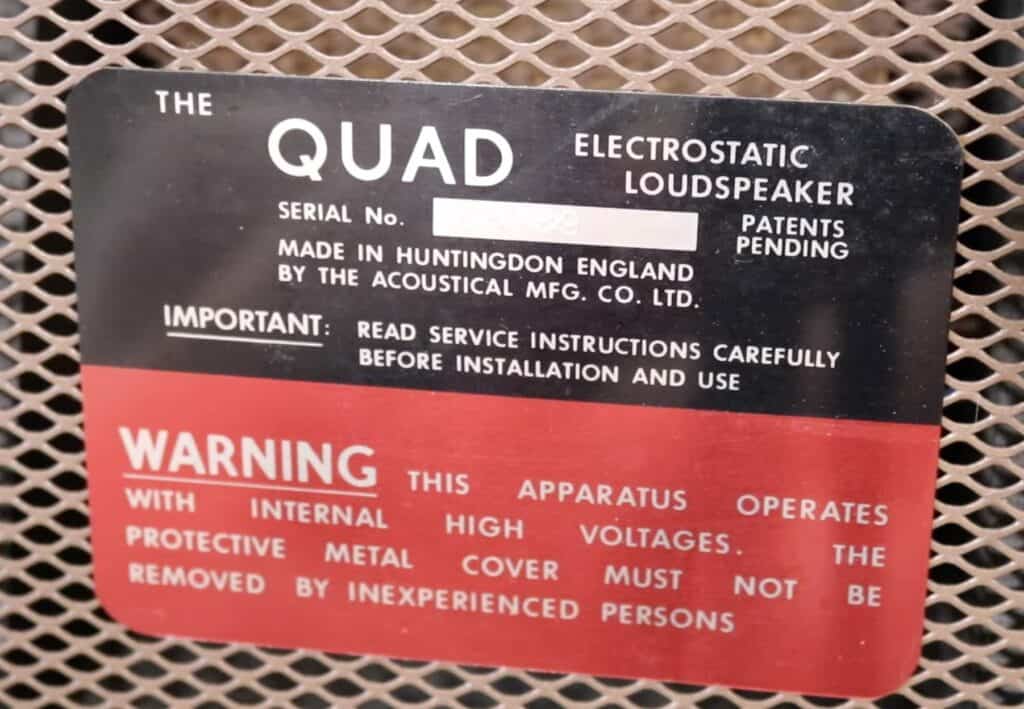
The full history of these speakers requires a video all of its own but very briefly, they were initially conceived by Peter Walker at Quad and developed with David Williamson, the Quad ESL-57 was introduced in 1957 as the world’s first commercially successful full-range electrostatic loudspeaker.
There are no standard speaker drivers or voice coils while the crossover is very simple. Inside you’ll find a thin and very light Mylar diaphragm that is suspended between two plastic stators carrying high voltages. There are three such panels in each speaker. The treble panel in the centre and two so-called bass panels on the outer areas that also feature midrange frequencies.
OLDER OTEC
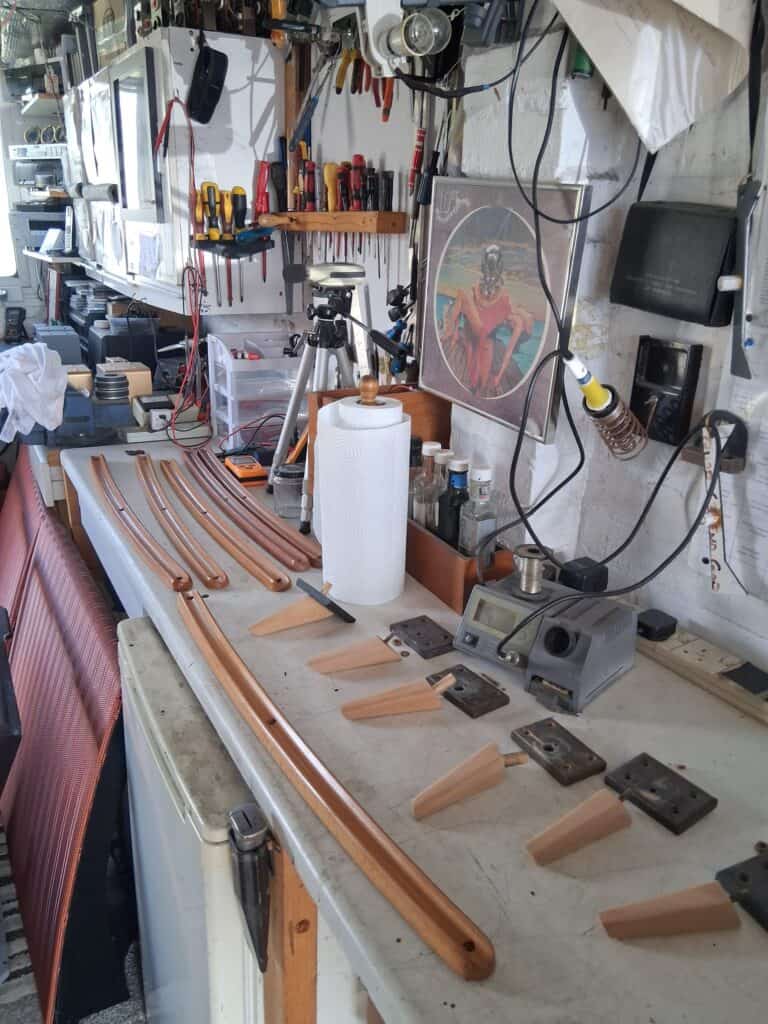
When I bought my refurbished speakers from One Thing Audio, as was, the company installed a set of OTEC panels, developed in house. I have the three micron thickness treble panel (there is a six micron variant out there, mine are more sensitive). As I say, the OTEC panel was a creation of One Thing audio itself. The final speaker sonically improved and enhanced, in my opinion, over and above the original 57 design.
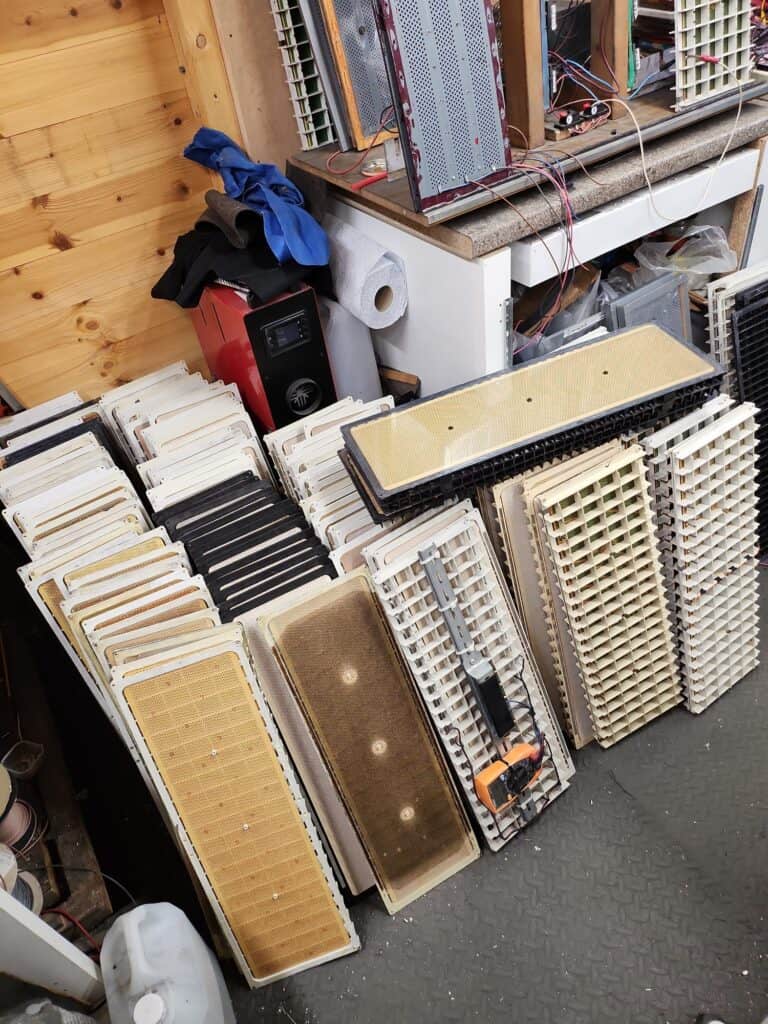
After the passing of one engineer and the retirement of a second, One Thing Audio re-branded itself as AQuadThing Audio. Also, technology has advanced enough for the company to release a brand new panel. One based on the original Quad panels – as supplied when manufactured – but stripped back and rebuilt using Aquadthing’s latest techniques and diaphragm material, conductive coating and stretching processes.
NEWER QUAD PANELS
As a long-term user of these modded speakers, what I want to do here is compare and contrast the two panel types.
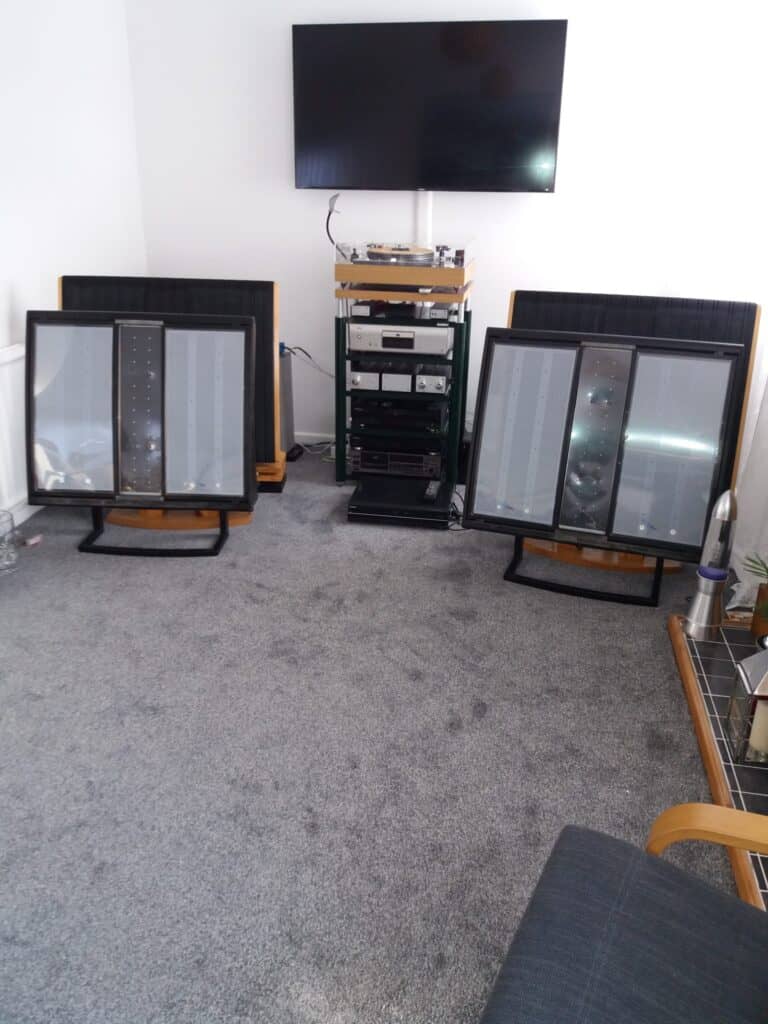
Spanning 79 x 88cm x 27cm and weighing in at 18kg each, the speakers measure between 83 to 86 db sensitivity. They do float about a bit. When running, the company recommend amplifiers of 100W to properly drive these panel speakers.
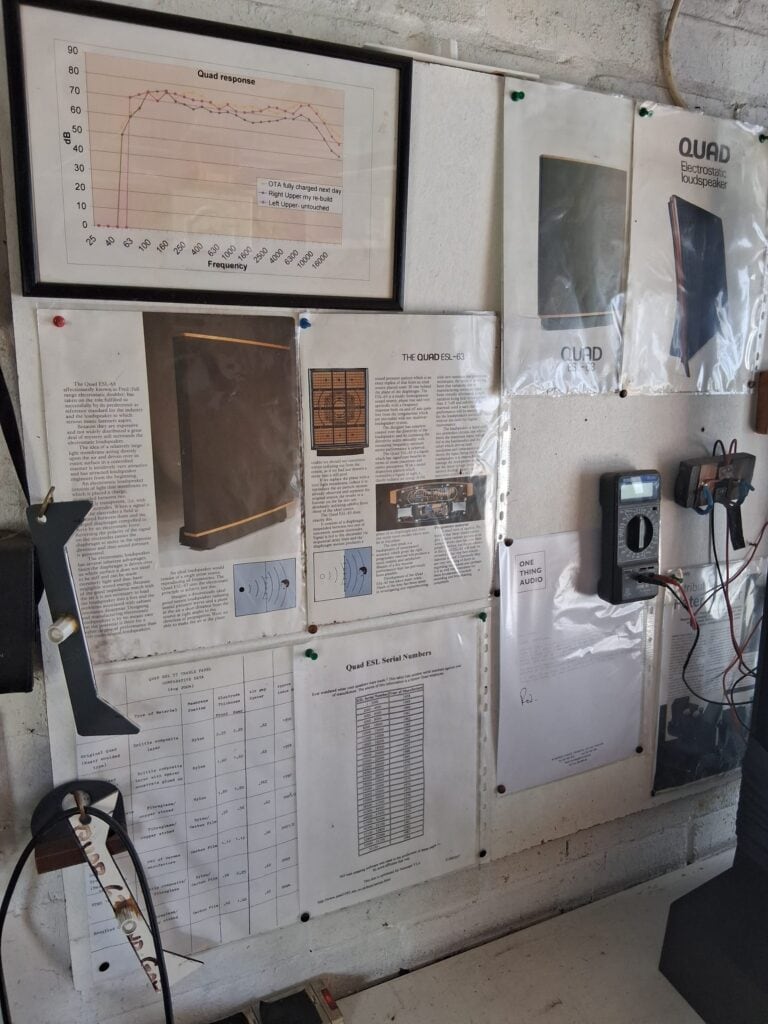
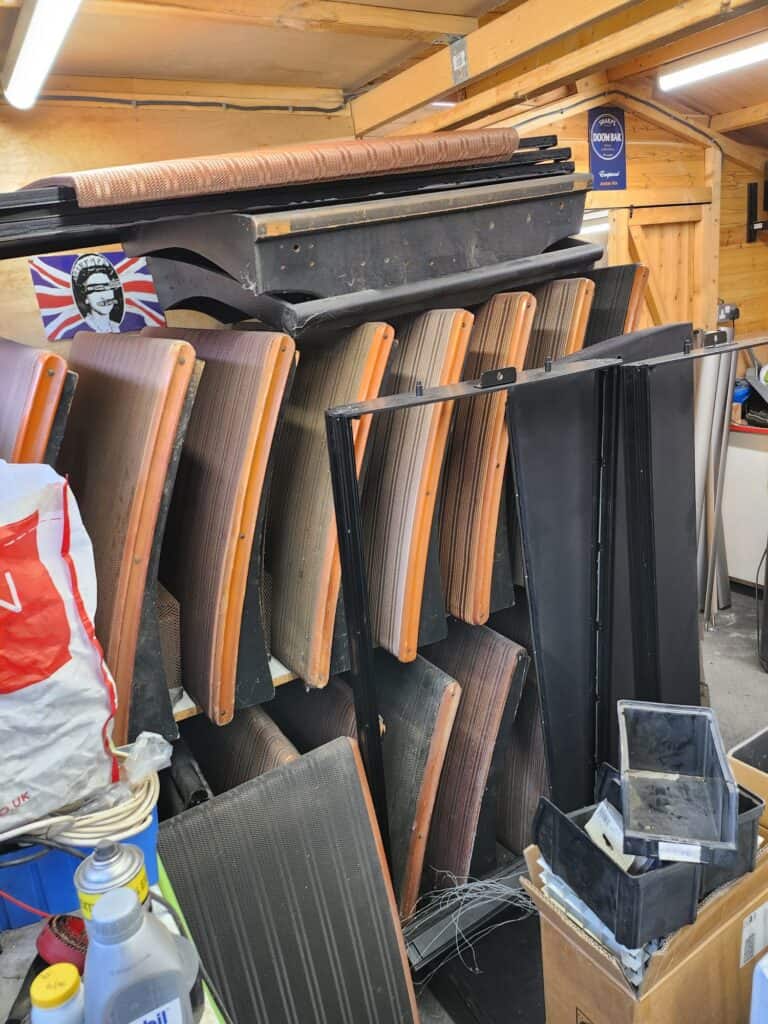
Don’t forget, Quad 57s are no longer produced. I think they ceased production in 1985. So if you want a pair, you are looking at restoring a pair of originals. There are thus a number of ways of purchasing these speakers.
Either scan the AQuadThing website for models for sale, send the company a pair of your old originals for upgrade, scan second hand markets such as eBay for a pair of old Quad 57 speakers and AQuadThing Audio will fully refurbish and turn them into newly modded 57s or give the company a call direct – contacts below – register your interest and they will talk to you about availability. They probably have a set ready to work on in the workshop so it’s always worth a call.
SOUND QUALITY
To begin, I turned to the finger picking-guitar of Leo Kottke, listening to several CD albums, some with just his own acoustic, others with bass guitar and percussion in the rear of the mix.
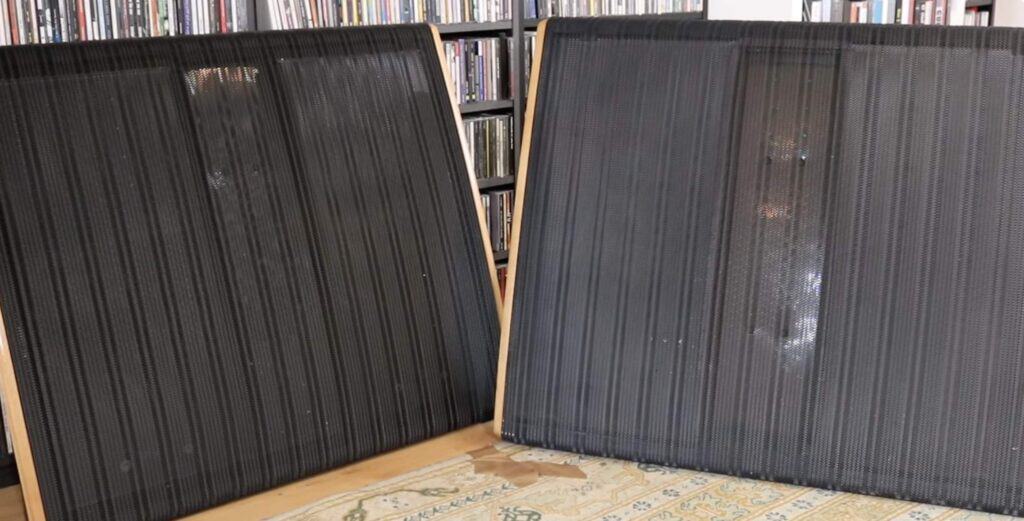
I mentioned that Quad Thing offer two variants of panel. Their own older OTEC design and the brand new Quad-inspired design.
I did find two different sonic approaches here. Depending on the panel. Bear in mind that my OTEC powered speakers have been running for two decades now and I’m used to their presentation so there may be sonic bias involved here.
OTEC VS QUAD PANELS
Bottom line for both panels? Both are wonderful. Both highly recommended. But both are different. So personal preference might come into play.
Firstly, the new Quad panels are easier to drive than the OTEC panels, so you won’t need the same level of amplification to reach your preferred volume.
I feel that the new Quad panels offered more clarity than the OTECs and greater definition. Guitar plucks were crisp with the steel edge of the string itself strongly in evidence. The Quad panels were so nimble, so mobile that they could turn on a dime with ease.
The OTECS, on the other hand, provided exceptional balance overall with delicate treble plus startlingly good midrange insight. Possibly better balanced and relaxed than the Quad panels with a slightly softer suite of upper frequencies.
The Quad panels did provide superior accuracy, though.
Bass was fascinating in how the panels contrasted. Both provided pros and cons. I felt that the OTEC panels had a more effective and dramatic initial attack. The initial drum strike, for example.
Then again, despite the Quad panels offering a slightly softer initial strike, you could also say that bass was better integrated in the mix. It also ran deeper during general play.
OVER TO VINYL
I then changed tack and drifted to pop and the band Pilot. I played their 70s hit single January from their album, Second Flight. The secret sauce for this track – and this track is ideal for HiFi component testing – is the subtle yet still complex orchestral backing plus the delicate secondary percussion. Even part of the backing vocals are often too subtle to really notice via some HiFi chains.
Again, that Quad panel definition was impressive indeed. The instrumental separation, principally because of the enhanced clarity and definition, was superb. Hence, detail was enhanced because you could hear all of the instrument, including all edges.
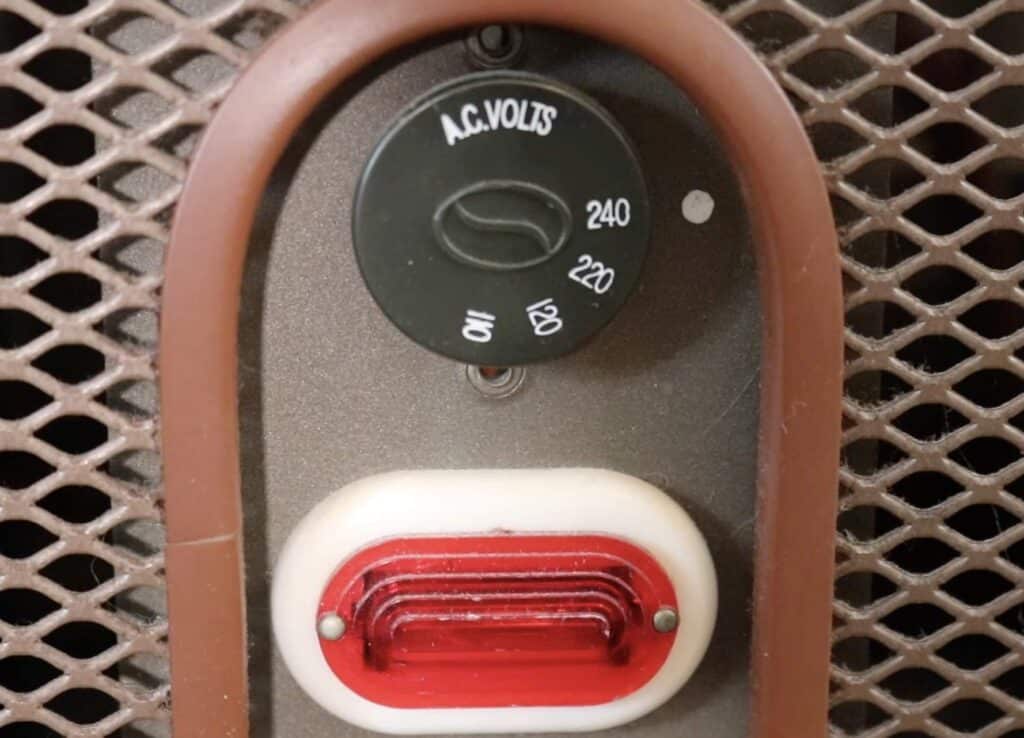
The OTEC also provided wonderful clarity, not so much definition but possibly an improved integration across the frequency spectrum.
MAGGIE TIME?
And a quick mention of the Magnepan LRS+ speakers. As I mentioned in my recent review, if you can’t find a pair of Quad 57s for refurb or you want to buy without having to go through the whole refurb process, the LRS+ speakers are ideal.
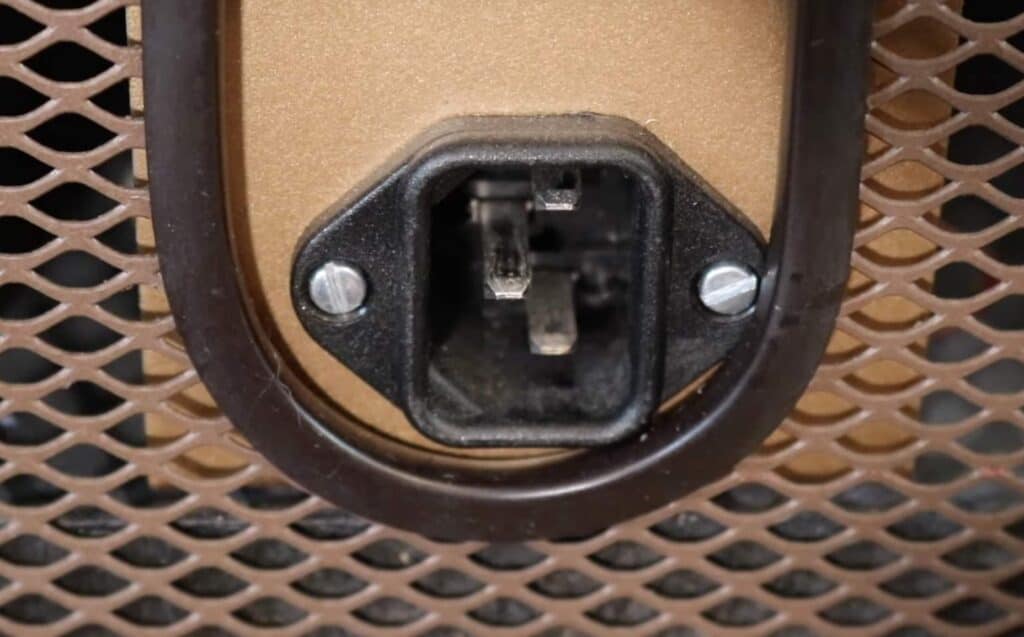
Soundwise? The LRS+ designs have the edge in the upper mids and treble but that’s partly because there is no bass to speak of to weigh down those upper frequencies. The Quads provide better bass and a batter balanced output with just as much detail and information. On the whole, the Quads offer an enhanced listening experience.
QUAD CONCLUSION
When it comes to dipole, flat panel speakers I believe the pinnacle design belongs to Quad’s 57 speakers and the best iteration of those classic 57 designs is currently emanating from the UK via AQuadThing Audio. The fact that the company provides a choice in sonic styles via its different panel types is frankly, above and beyond the call of duty.
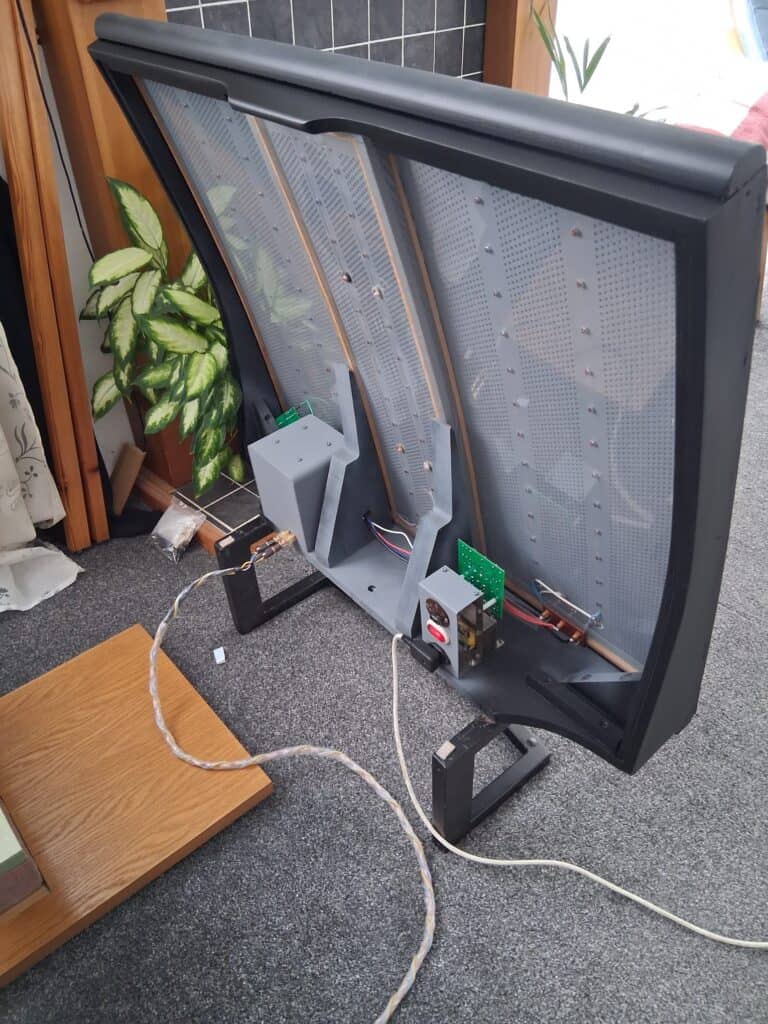
Add the fact that the company will provide attentive customer service after you pay your cash and, if required, will tweak the sound of your new Quad 57s to your satisfaction if you feel that the sound is not quite there? Well, this is a HiFi experience from the 1960s and 70s isn’t it? This company doesn’t belong in 2026, surely?
By the narrowest of margins, I’d still keep my OTEC-equipped speakers. I simply love their balance, integration and effortless musical flow.
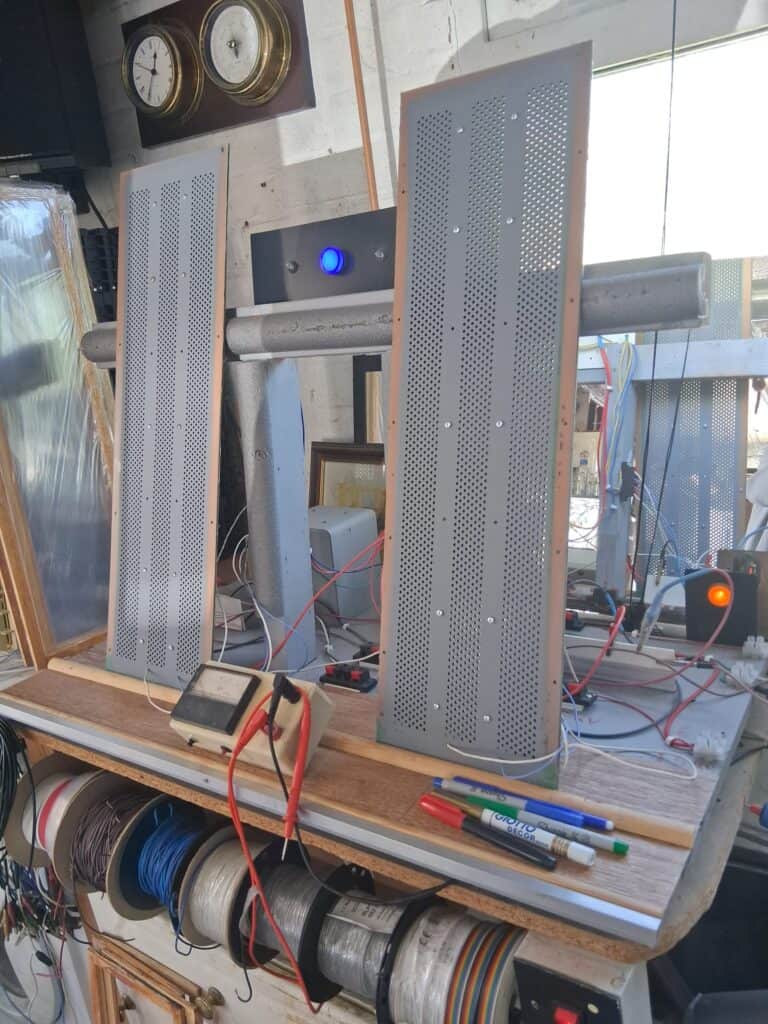
Others may well prefer the rebuilt Quad panels, whose greater definition, deeper bass and forensic clarity are undeniably impressive.
The only sensible advice that I can offer is to arrange a demonstration and decide for yourself.
Prefer a video review? Click below:
AQUADTHING AUDIO QUAD ESL-57 ELECTROSTATIC SPEAKERS
Prices:
- Complete rebuild with Quad panels: £1,699
- Complete rebuild with OTEC panels: £1,849
- Bass panel rebuild: £195
- Treble panel rebuild: £175
Website: aquadthingaudio.com
Telephone:
Alan: 07888 711710
Andrew: 07711 687245
Office: 0116 239 2373
OTEC PANEL
GOOD: balance, frequency integration, bass attack, overall detail
BAD: nothing
RATING: 10

QUAD PANEL
GOOD: midrange definition, deeper bass, clarity, instrumental separation
BAD: nothing
RATING: 9

Reviewed by Paul Rigby — Hi-Fi journalist and editor for over 38 years

Don’t forget to check out my Patreon Page at www.patreon.com/audiophileman, for exclusive postings and more!]
OTHER REFERENCE KIT
Origin Live Sovereign turntable
Origin Live Enterprise 12″ arm
Icon PS3 phono amplifier
Aesthetix Calypso pre-amp
Icon Audio MB845 Mk.II Monoblock Amplifiers
Quad ESL57 Electrostatic Speakers
Blue Horizon Professional Rack System
Harmonic Resolution Systems Noise Reduction Components
All vinyl was cleaned via a Degritter Mk.II
Stack Audio AUVA 50 Isolation Feet
Soundeck DF Damping Feet Mk.II Mini
“The Quad panels were so nimble, so mobile that they could turn on a dime with ease.” First time I’ve ever heard implied that electrostats were slow – Heh, heh. (Owner of Quad 63s)