The Article
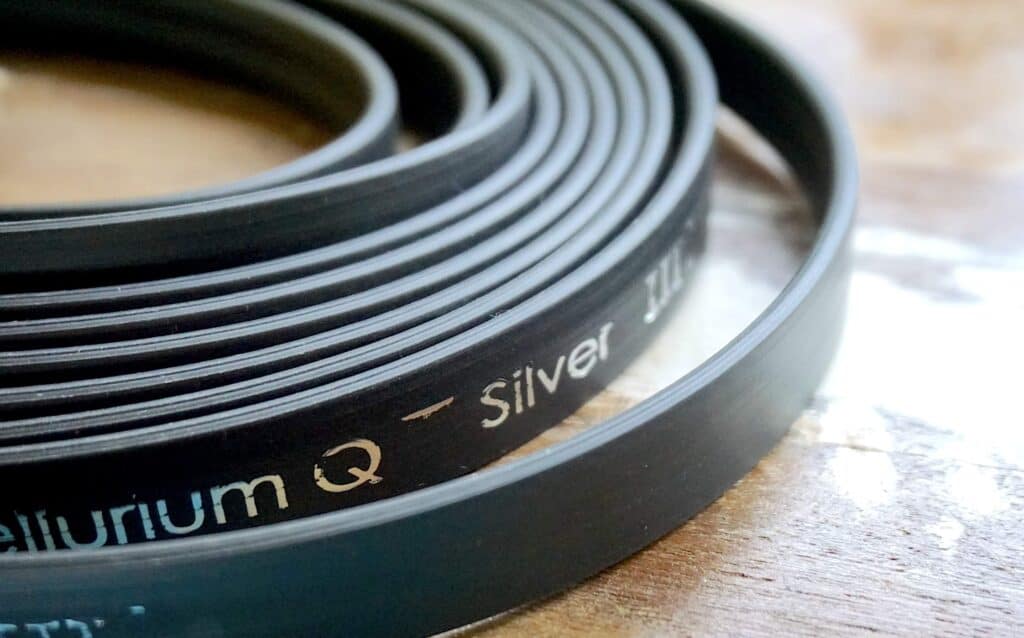
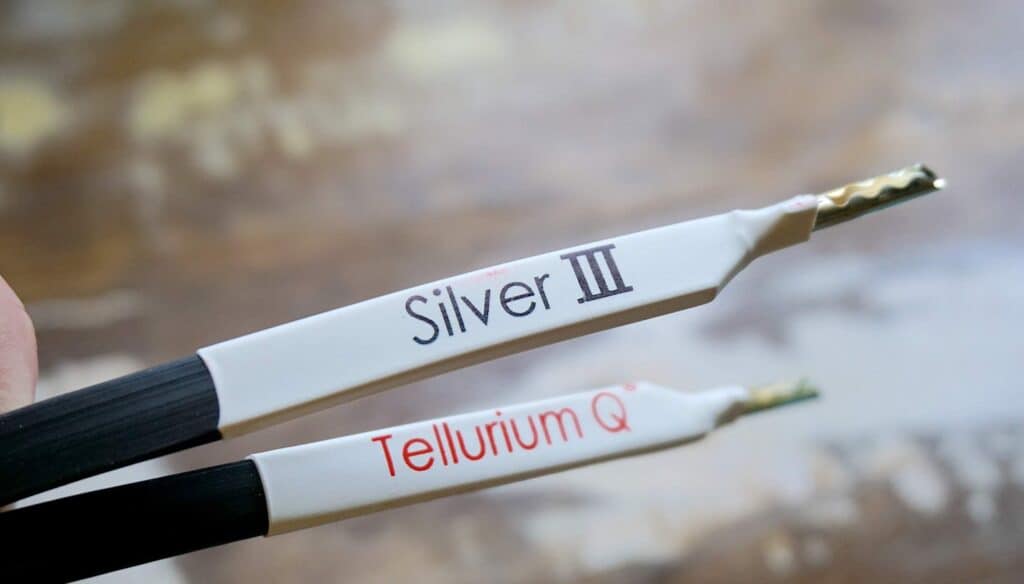
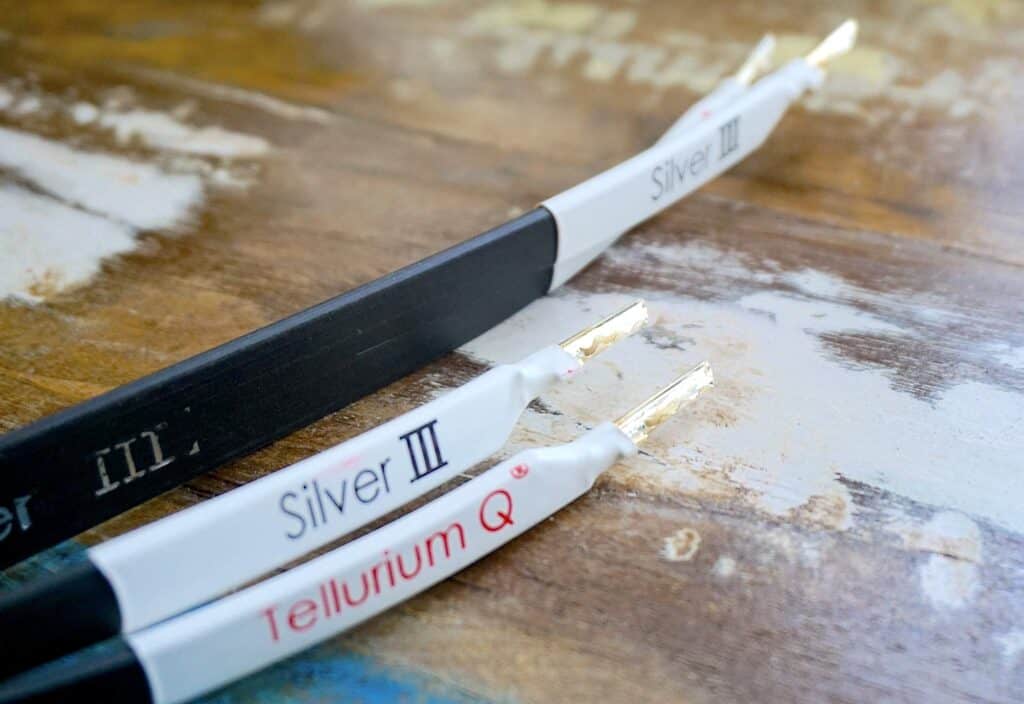
SILVER III SPEAKER CABLES FROM TELLURIUM Q
8th April 2026
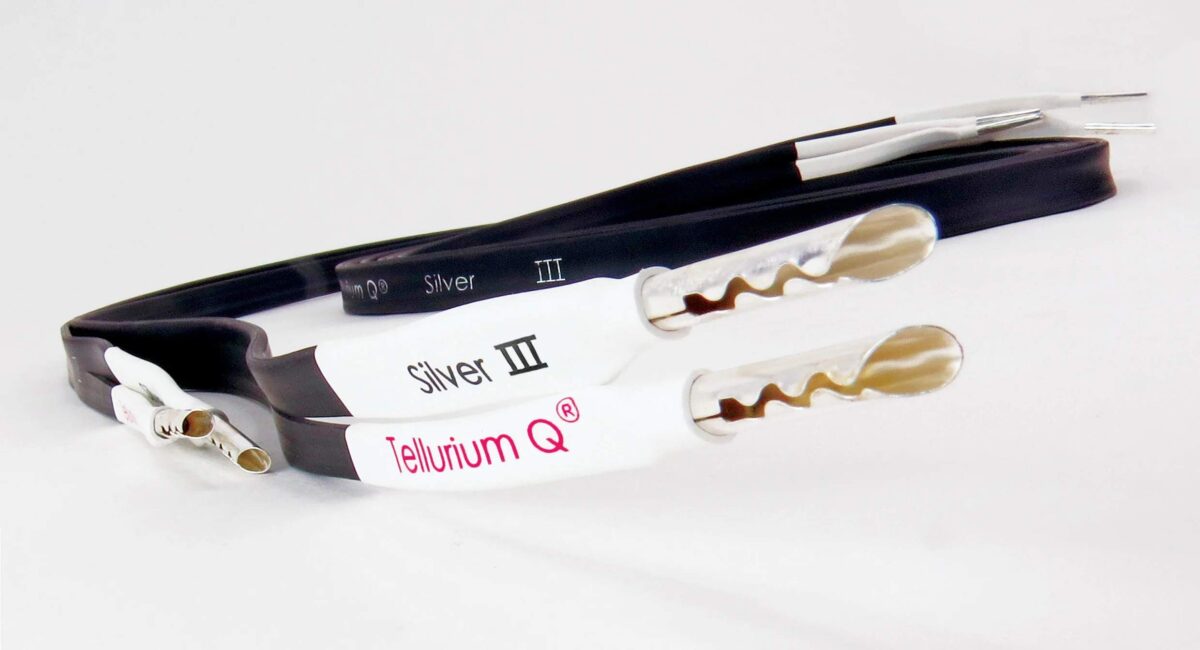
Positioned towards the lower end of the range, Paul Rigby checks out the new iteration of these established speaker cables
It’s been a couple of years – I think – since I looked at Tellurium Q in review terms. In 2024, I checked out the company’s high-end, Ultra Silver II speaker cables which retailed (back then) for around £3,600 for a pair of 3m offerings (more like £4,000 in these days of world-wide increasing prices). A rarified price for a pair of rarified cables with a splendidly rarified sound. I loved them. They sounded like a major component upgrade as opposed to a ‘mere’ ancillary.
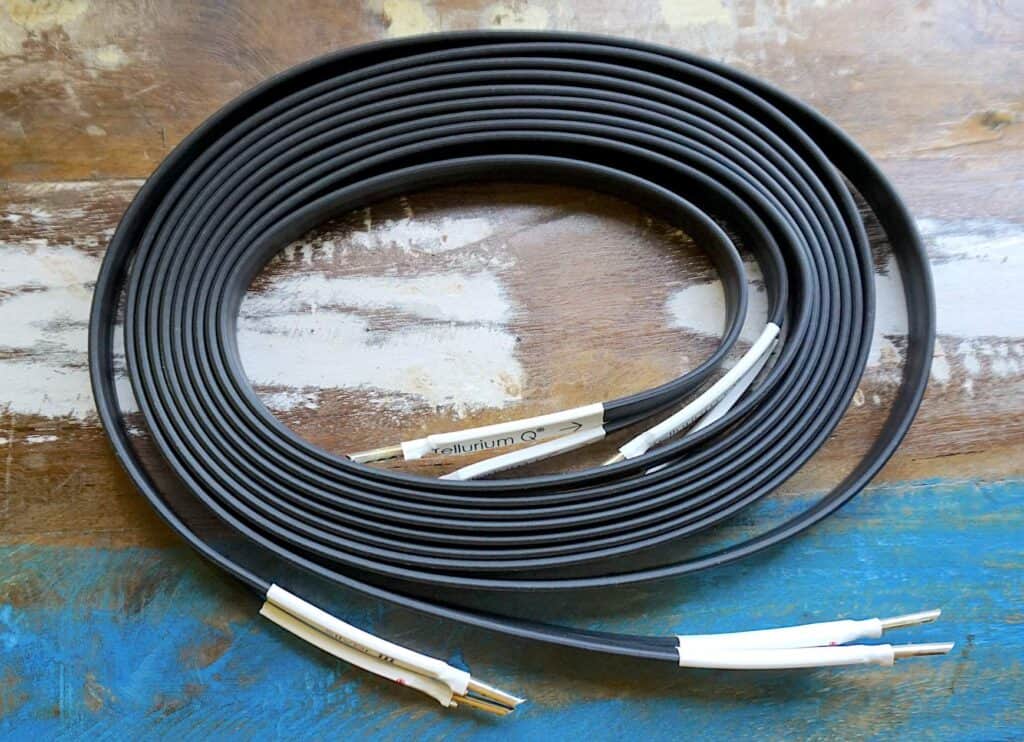
Despite reviewing the Ultra Silver speaker cabling, I’ve never touched the basic Silver range. A range that lowers the price, somewhat. Sure, they’re still very expensive in pure, absolute terms but, in Tellurium Q terms? They are more affordable.
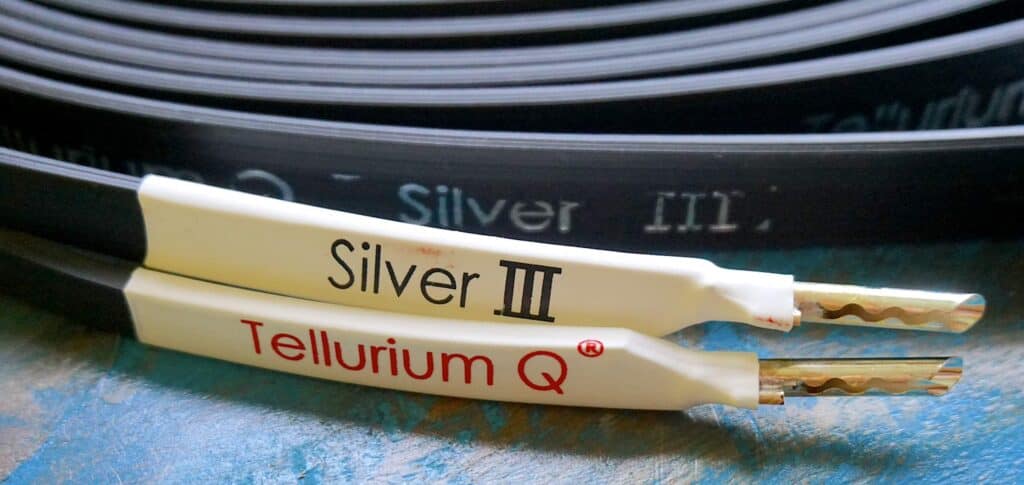
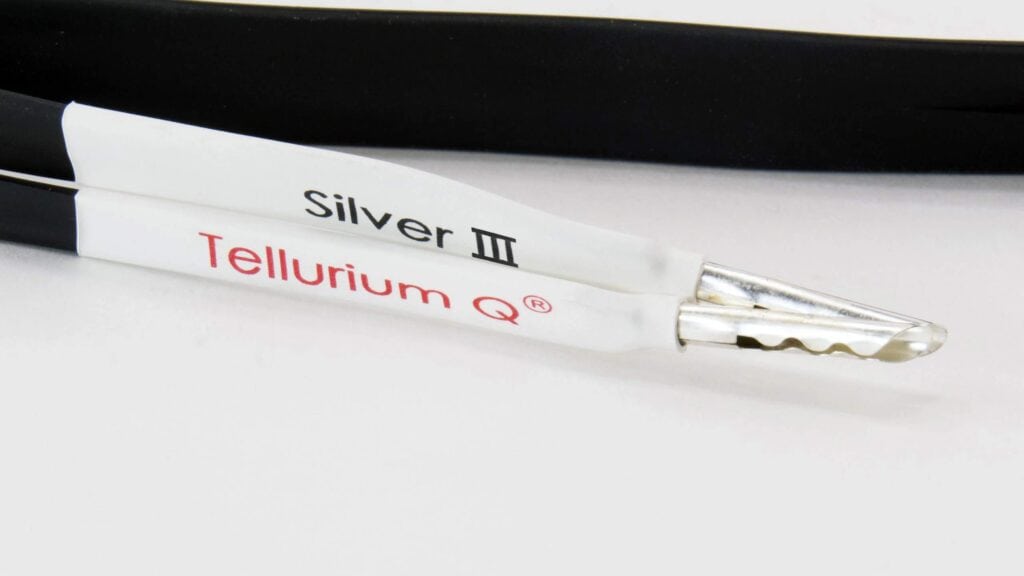
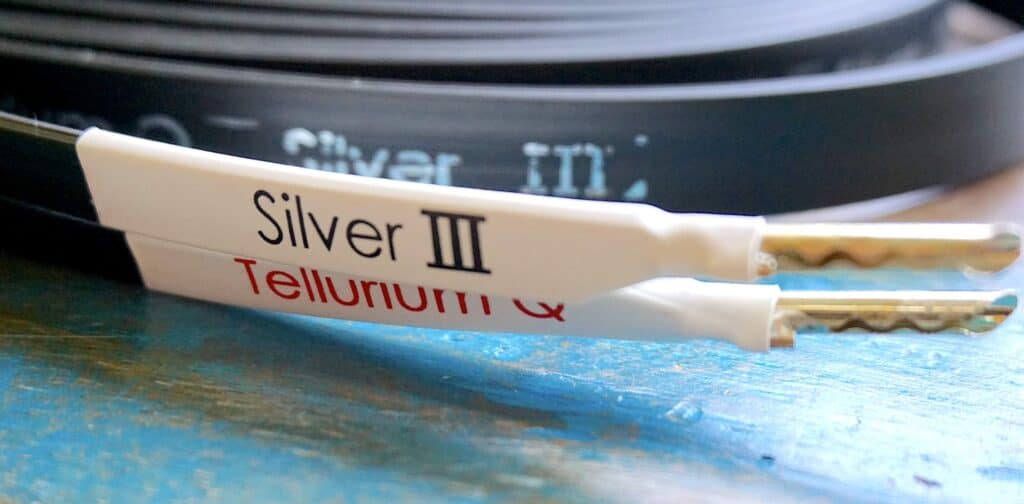
Positioned above the Blue, Ultra Blue and Black II speaker cable ranges and just under the Blue Diamond, the new Silver III speaker cables are a direct replacement for the older Silver II models. Surprise, eh?
In terms of technology and build, design techniques and all that? Nothing. Don’t even bother asking the company because they won’t tell you. And I hear this a lot as the years roll by from small companies (and Tellurium Q is a small company based in the UK). Such outfits are afraid of having their technology ideas swiped by larger conglomerates. It’s happened before. I’ve spoken to aggrieved individuals at HiFi shows, who have told me their own sordid stories in bitter tones. So I can understand Tellurium Q’s position on this.
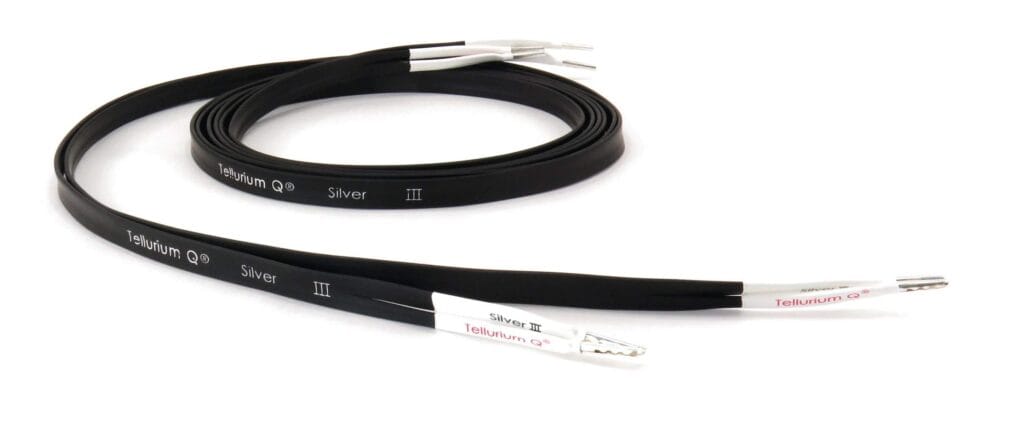
So how do these cables sound then?
SOUND QUALITY
To begin, I wanted to present the Silver III speaker cables with a tough and immediate challenge. So I grabbed a pair of high-end speaker examples from Chord. Priced at the time of the review (2025) at £2,400 for 3m, the SignatureXL cables received an award-winning rating from me. They major in low noise and midrange insight.
VS CHORD SIGNATUREXL
At almost four times the price of the Silver III cables, I expected the Chords to sound better than the Silver IIIs and by some margin but I wanted to hear how the Silver III cables coped, just how far behind they were, differences in sound quality and the rest.
In software terms I grabbed the wonderful Adrian Legg instrumental album from 1993, Wine, Women & Waltz, featuring stylish guitar picking from the great man. I chose Nora Handley’s Waltz that included a bass guitar, voices and percussion.
My initial impressions were rather shocking. At least to my ears because while the Chords had a superior bass weight and mass, that offered a firmer foundation, pushing the music forwards, I was completely impressed with the Silver III’s upper midrange and treble performance. Sure, the Chords also offered weight and deliberation to the midrange but I ended up actually preferring the upper mids and midrange from the Silver IIIs to the Chords…at almost four times the price!
The Silver III cables also offered a greater focus across the upper frequencies with both the acoustic guitar and backing vocals sounding tight, precise and detached from the other instruments, infusing their performance with space.
Even bass, although lacking in weight and gravitas, was better isolated from the rest of the mix enhancing its pace and mobility.
For those in the know, however, you might be wondering how the Silver III cables compare to the older Silver IIs? Well, let’s find out.
VS TELLURIUM Q SILVER II
I turned to vinyl and the rock band, Nektar and their 1974 album, Down to Earth with that album’s stand-out track, Show Me The Way. Featuring lead male and backing female vocals, lead and bass guitars, organ, piano and percussion.
Compared to the Silver IIs, the Silver III cables didn’t provide deeper bass. On that score, nothing had really changed. What did change, though, was the precision across the same. There was a much better sense of grip now, in bass terms. That is, bass punch was more impactful.
I did hear a lowering of noise across the upper frequencies now. The lowering of noise also enhanced detail via piano, electric guitars and vocals.
Also, and I hadn’t really noticed it before but compared to the IIIs, the older IIs appeared to almost have a slight edge across the upper midrange. The IIIs completely removed that.
Associated with that enhancement was a much better focus which meant that the stereo image was now firmer and bolted, dead centre on the soundstage.
CONCLUSION
Firstly, reflecting upon my Chord cable comparison, who would have thought that I’d be describing the Silver IIIs as great value for money? That was a surprise. I was also surprised at the reduction of noise across the soundstage, the enhanced detail related to that and the extra focus produced alongside.
There is lot of control upon the music from the Silver III cables. Discipline is absolute. There are no rogue frequencies heard when the Silver IIIs are in play.
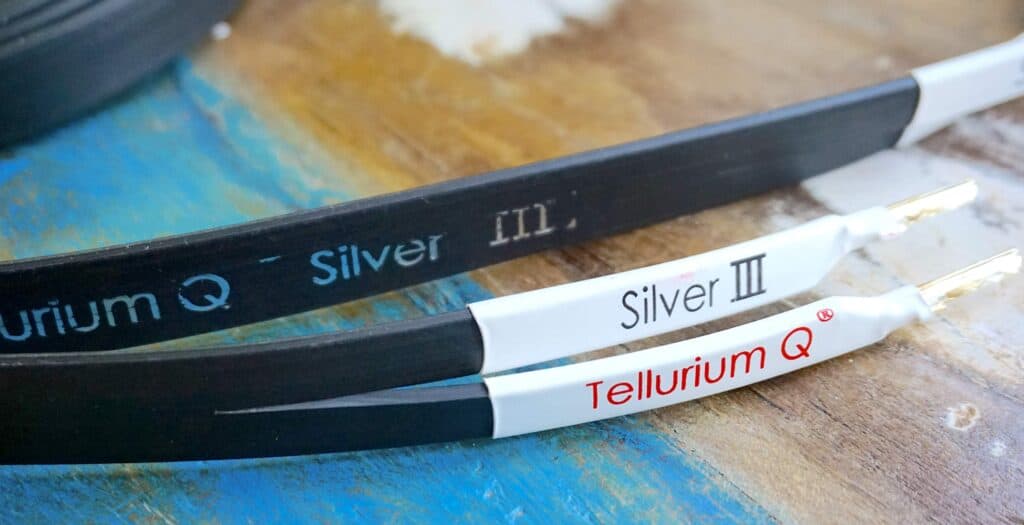
That combination of fine detail, discipline and low noise plus its giant-killing propensities means that the Silver III cables are an easy recommend. For many, in fact, the Silver IIIs could very well be the end point, the final buy. If they are, then I certainly won’t object.
TELLURIUM Q SILVER III SPEAKER CABLES
Prices: £782.10 for 3m pair
Tel: 01458 251997
Website: www.telluriumq.com
GOOD: low noise, focus, bass precision, midrange detail
BAD: nothing
RATING: 9
Don’t forget to check out my Patreon Page at www.patreon.com/audiophileman, for exclusive postings and more!]
OTHER REFERENCE KIT
Origin Live Sovereign turntable
Origin Live Enterprise 12″ arm
Icon PS3 phono amplifier
Aesthetix Calypso pre-amp
Icon Audio MB845 Mk.II Monoblock Amplifiers
Quad ESL57 Electrostatic Speakers
Blue Horizon Professional Rack System
Harmonic Resolution Systems Noise Reduction Components
All vinyl was cleaned via a Degritter Mk.II
Stack Audio AUVA 50 Isolation Feet
Soundeck DF Damping Feet Mk.II Mini
Russ Andrews Super Router Signature Edition
BMU-2500SE Balanced Power Supply