The Article
Ri71 REFERENCE SPEAKERS FROM FLUANCE
19th December 2025
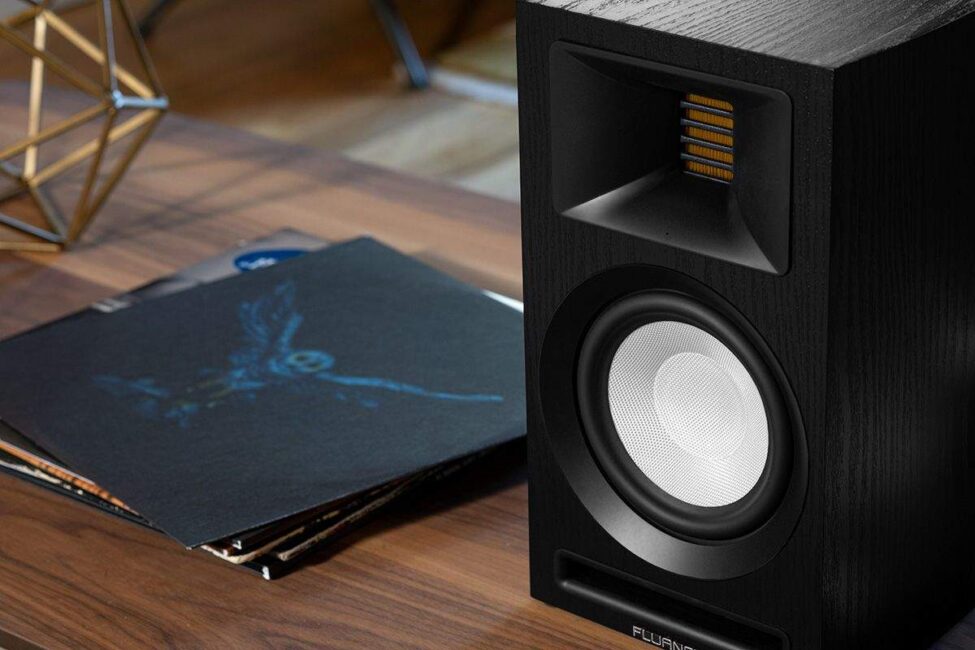
Never having reviewed a pair of powered speakers from the company, Paul Rigby though it was about time…
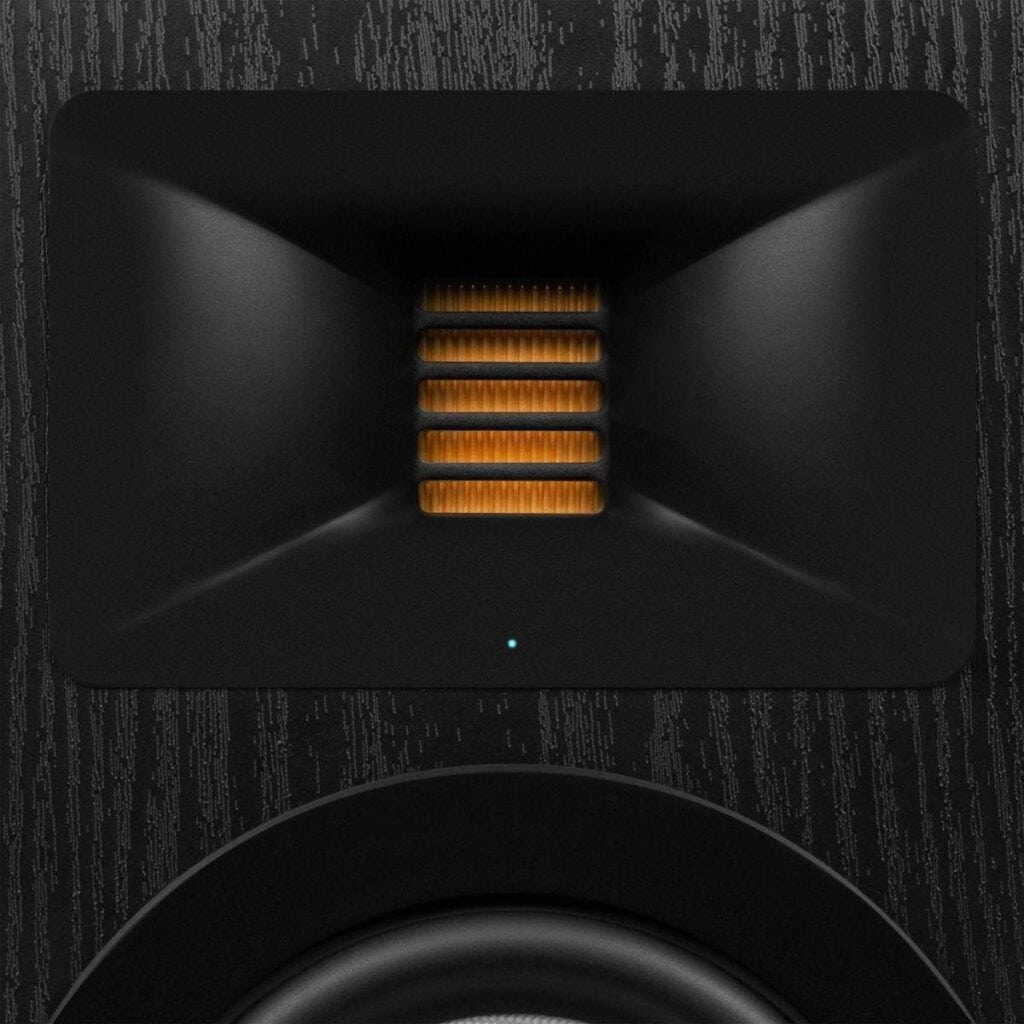
Especially because of the price, in the UK that means £419.63 and also because of the tech that sits alongside. Specifically the 28 x 35mm AMT tweeters. A component that I tend to associate with higher-end passive models.
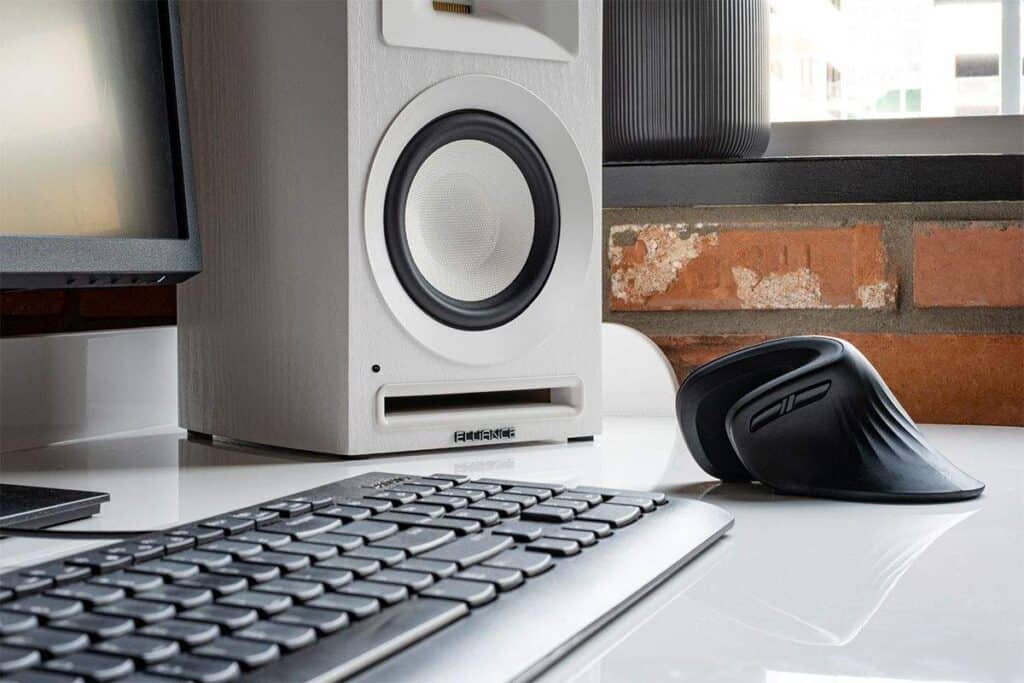
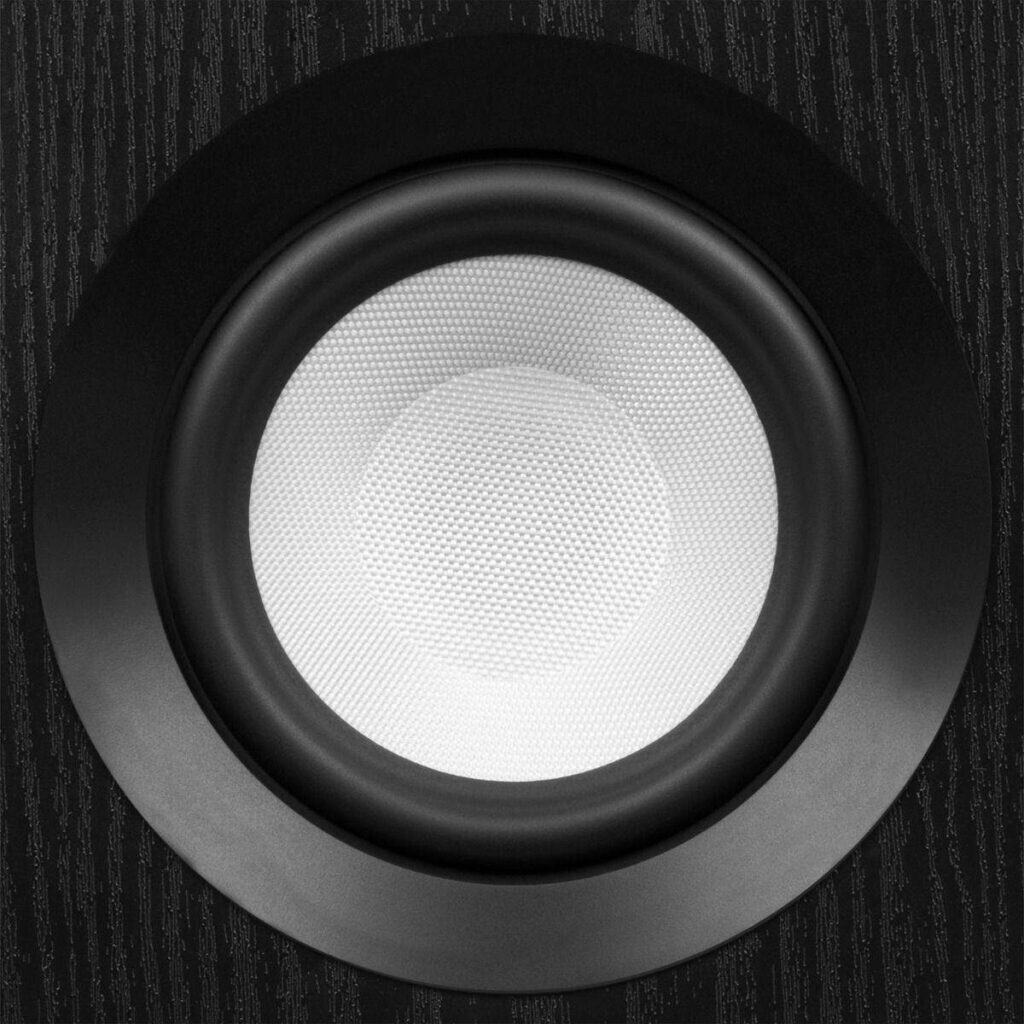
Spanning 310 x 185 x 198mm, the Ri71 speakers also include a 133mm mid-bass driver based on a woven glass fibre composite.
Below that driver is a letter-box shaped bass port, firing forwards.
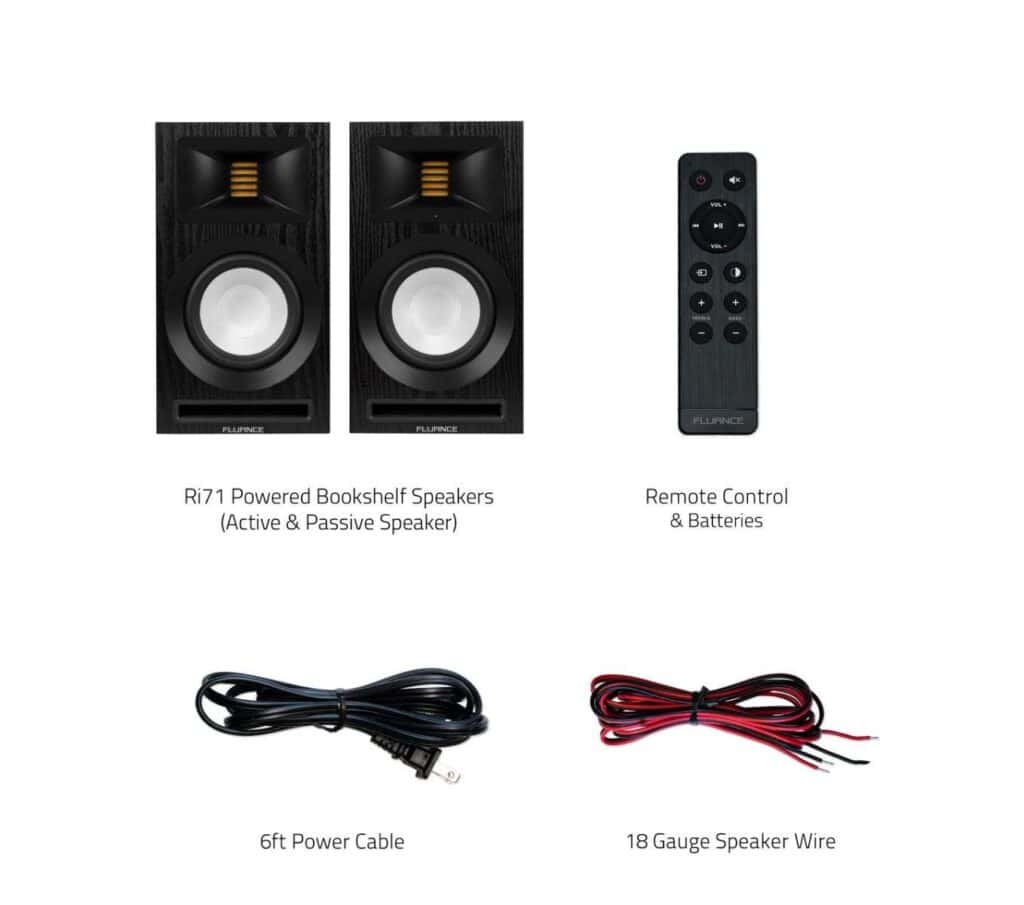
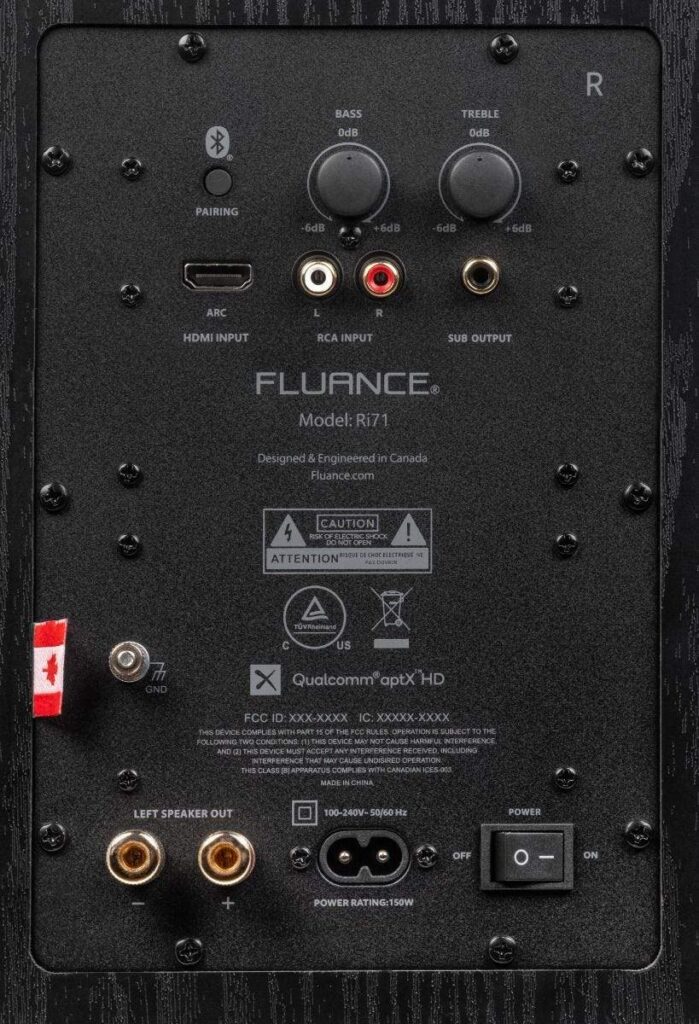
Inside is a 2 x 60W Class D amplifier that powers the lot. Supported is Bluetooth 5.0 with up to aptX HD codec and a pairing button on the back. Although I never had to use that. I just selected Bluetooth with the remote control and there it was on my phone.
Speaking of connectivity, the rear offers a pair of RCA sockets, a ground grub screw in case you with to connect a external phono amplifier, HDMI ARC for connection to a TV, a sub output and a pair of treble and bass tone controls. I left these at zero throughout the test.
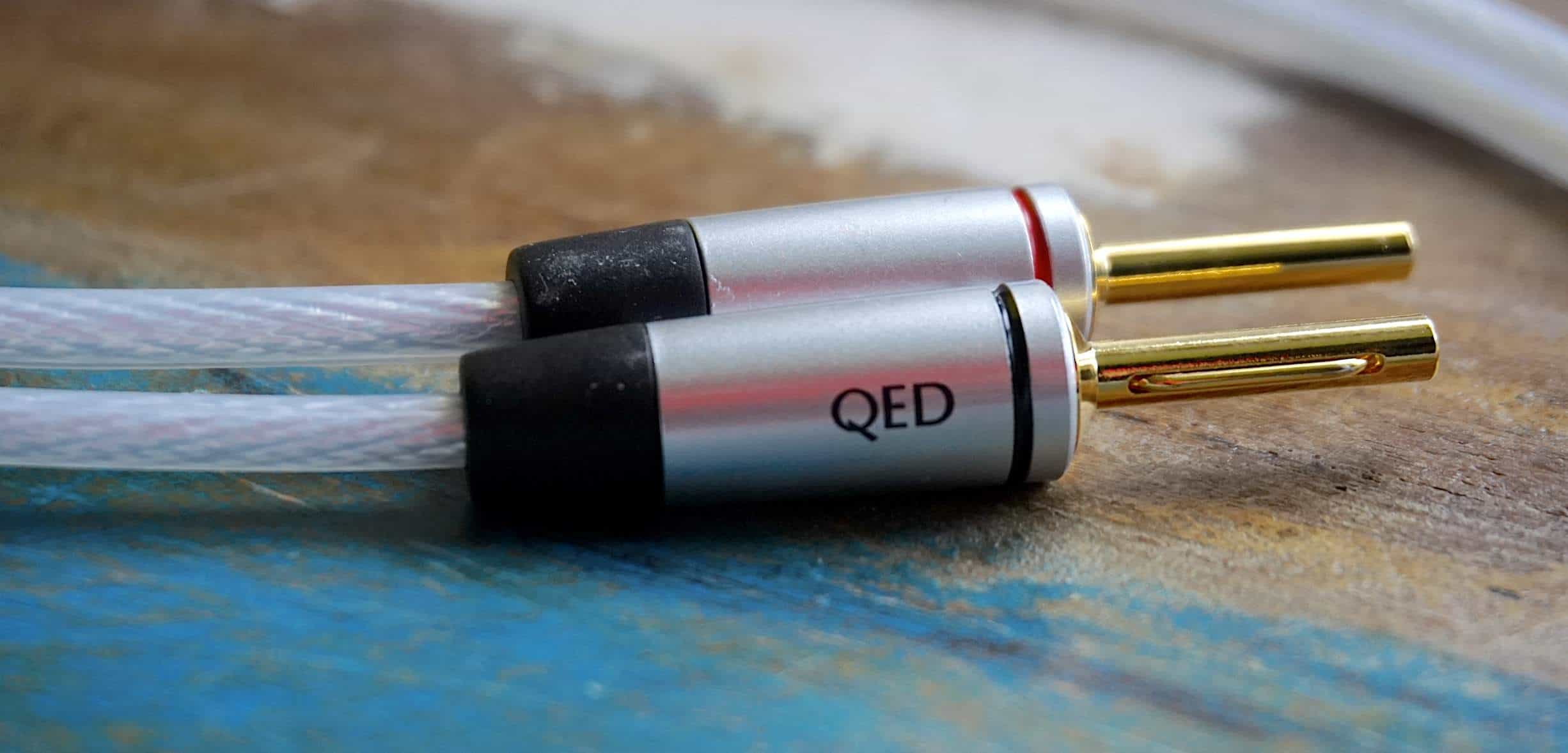
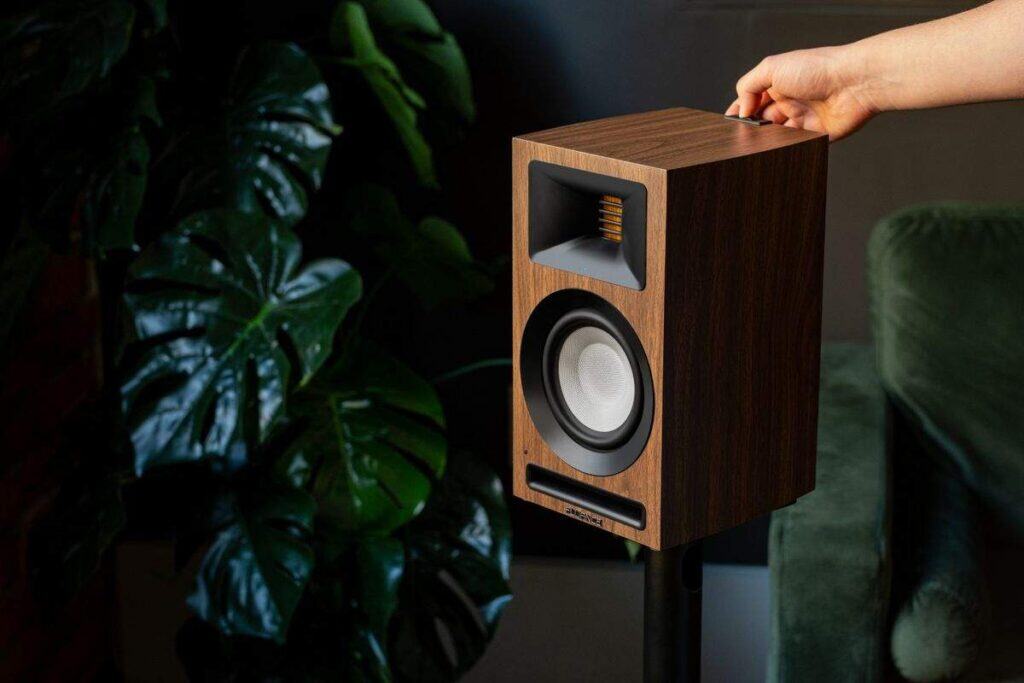
This is the master speaker – weighing in at 6.4kg. That includes a pair of speaker terminals to connect to the slave speaker (weighing in at 5kg) via a bell-wire cable. Consider upgrading this cable with a decent speaker cable if you can. Grab something from the spares box if you have that or buy a cheap pair of QED speaker cables from Amazon. The more expensive the better but go with your available budget as guidance.

At the bottom of the master speaker is a figure-of-eight power socket. To the right of that is a rocker power switch.
LEANING TOWARDS HiFi
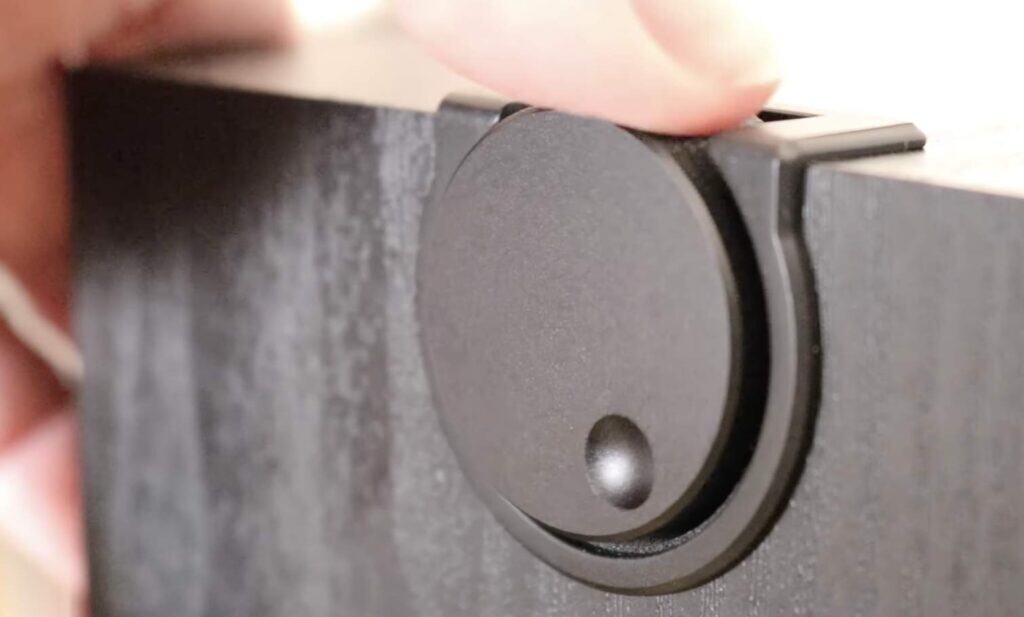
At the top of this speaker is a vertically mounted, rotary volume knob. Never seen a powered speaker with this sort of volume configuration before and I like it a lot. It’s a substantial control, easy to reach and use, doesn’t get in the way and keep the front facia clean. I approve. Otherwise, the included remote will be able to handle volume, source selection and more.
There’s no optical or coax ports on this one which some will miss but I think Fluance is looking to compromise on the performance of separate HiFi components (you’ll need a separate DAC and phono amp to connect a relevant digital and analogue sources) against the convenience of an all-in-one product such as this.
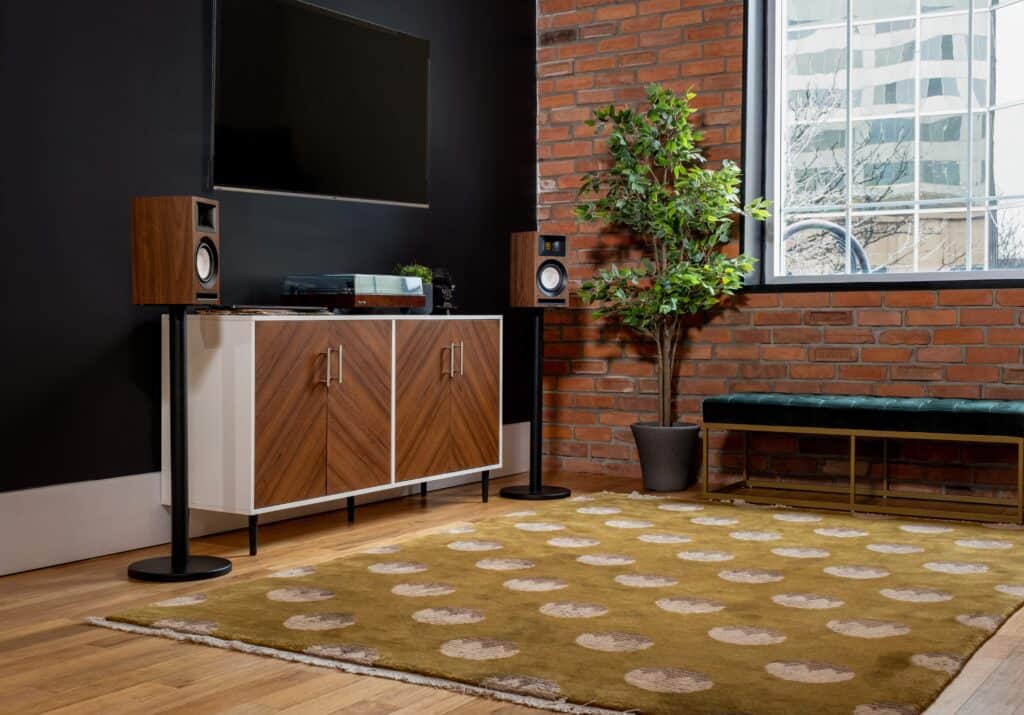
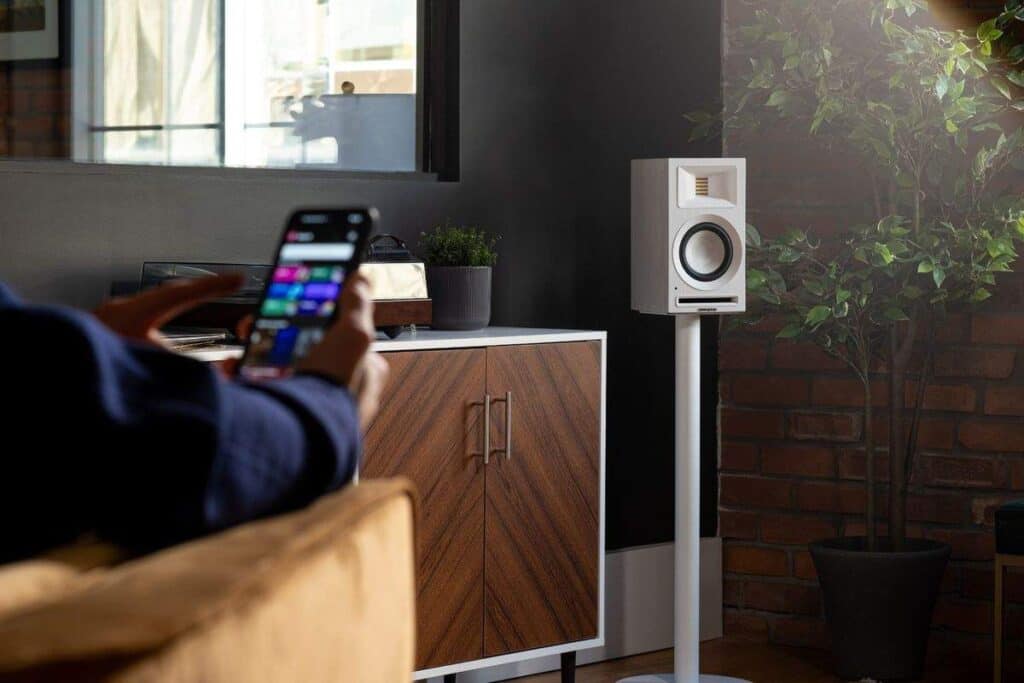
The front of the speakers, meanwhile, look very presentable. They look like a pair of good quality passive designs, actually.
And on that subject, just how do these things sound?
SOUND QUALITY
I began by connecting my Astel&Kern DAP to the Fluance speakers via Bluetooth using Nick Drake’s Pink Moon from the album of the same name, at 24bit/96kHz and compared them initially to the Edifier M60 speakers that I recently reviewed and liked. Much smaller than the Ri-71s, that is true and cheaper with it (£160), the Fluance pairing should best the M60s by a fair margin. Who knows, though? Stranger things have happened.
VS EDIFIER M60
Despite the fact that the M60s utilised the superior LDAC codec, the Fluance had the sonic advantage right across the board. That was partly down to the size of the cabinet and included drivers which inserted a glass ceiling in terms of dynamic reach, bass depth and detail.
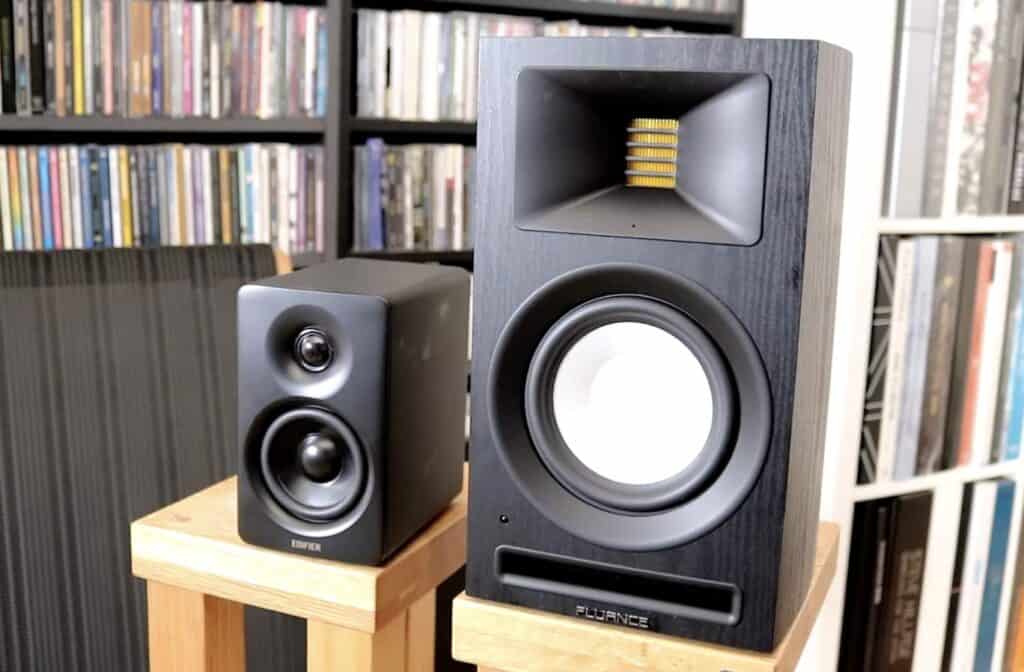
As much as I love the M60s for small room and desktop use, the Ri-71s offered a better balanced performance with a relatively weighty bass output and – although I wouldn’t call the upper frequency output on the Fluance speakers warm – they were able to successfully translate the inherent warming production of the upper midrange of this vintage recording.
The Ri-71 speakers were effectively able to interpret the intimate and close mic’d presentation of this classic track.
VS KANTO YU4
With the YU4 speakers (£359), I moved to Tom Waits distinctly upbeat, jazz-fuelled track Step Right Up from the Small Change album for these speakers, again at 24bit/96kHz. Vocal, percussion, upright bass, sax were all included.
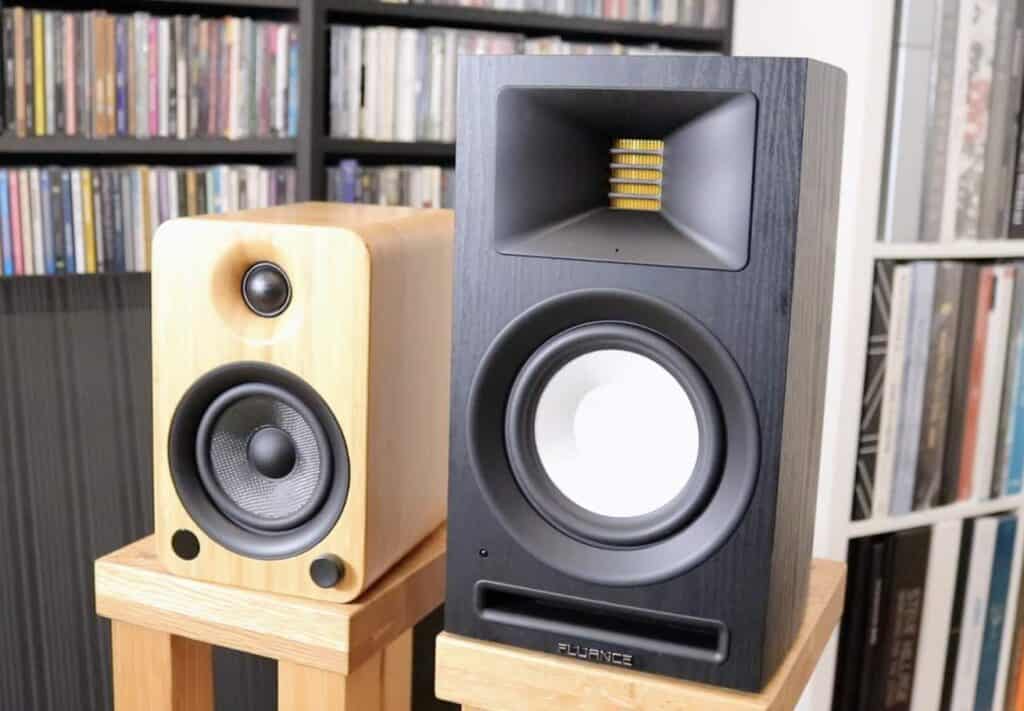
Here, the Ri-71s were able to show off their open and airy midrange performance and the nimble treble. This track is nothing if not light on its feet but the Fluance was able to keep pace with Wait’s lively delivery. Sure, the upper mids pushed their performance to the limit via Bluetooth without over stepping into edgy areas but, in this way, the Ri-71s dragged a heap of information for your ears to swim within.
Bass meanwhile was precise, tight and pacey providing a good foundation for the track.
VS EDIFIER S1000W
Probably the greatest challenge to the Fluance designs are these meaty speakers from Edifier (£350). I played The Doves and their track Carousels from the album, The Universal Want.
The results were largely even-steven and 50/50. Honours were even.
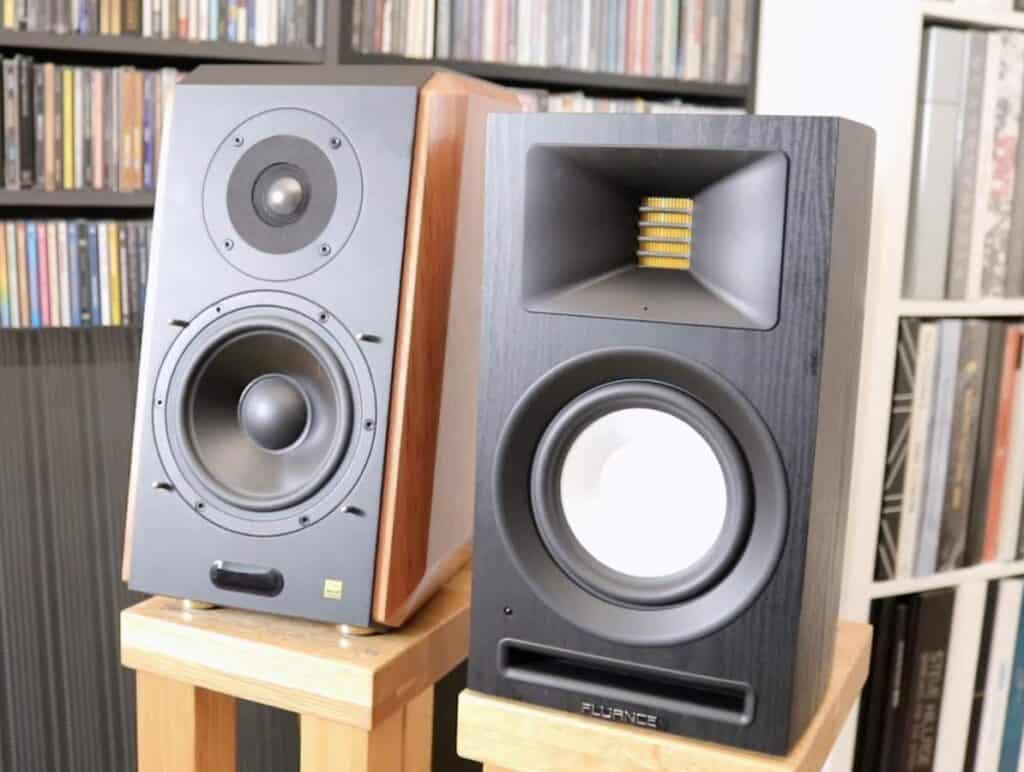
To begin? As capable as the Ri-71s were to this point I felt that, when it came to high-energy rock where everything was happening, all at once, the Edifiers were better able to control the output as well as take bass further downwards, giving this rock outing a better grounding.
Then again, the upper frequencies were certainly more interesting from the Fluance. More midrange and treble insight, better detail and dynamic reach allowed this track to convey more atmosphere.
So there were pros and cons with this pairing.
OTHER TESTS
I wanted to increase the quality of the source material now so turned to both CD and vinyl. I hooked up my Audiolab 6000CDT and Audio-Technica LP5x turntable to the RCA ports on the Fluance. I played a selection of China Crisis on both formats.
Remarkably, the bass performance from the R-71s, from these superior sources was a whole lot better from the Fluance. Here, bass was tight and full of impact. It was focused and precise. Which probably hints at the unit’s Bluetooth module limitations as opposed to the basic design of the speakers. In fact, via CD and vinyl, some users will prefer the tighter and leaner bass performance from the Fluance than the Edifiers more cavernous option, from this test.
Upper midrange performance and treble was also better balanced than the Edifiers adding space and air to the treble and upper mids while adding a measure of balance to the output.
Part of the reason for the great performance was that I used my own external DAC and my own external phono amp. Yes, Fluance could have bundled them both in the Ri-71’s chassis but the parts quality wouldn’t have been as good, because of the limited build budget, design compromises would have had to be made elsewhere to manage that fixed budget.
Also, squeezing both modules cheek by jowl with everything else that resides in the speaker cabinets, would have only have resulted in leeching electronic noise, increased vibration, microphony and masked detail.
So kudos to Fluance for making hard choices. Again, I approve.
CONCLUSION
Any speaker design, especially at this price point, is a compromise. Powered speakers doubly so. The job is so much harder to do at all, never mind do well. So Fluance is to be commended for producing as good a product as the Ri-71 speakers, offering a broadly excellent performance across all frequencies.
To me, looking at the components used and, just as importantly, the features left out, it looks like Fluance has tried to balance both the feature set and HiFi performance from the Ri-71s. The result is an excellent set of speakers aimed at users who value sound quality over a quick fix feature set.
GOOD: impactful bass, dynamic reach, midrange detail, treble performance
BAD: high-energy music on Bluetooth
RATING: 8

Don’t forget to check out my Patreon Page at www.patreon.com/audiophileman, for exclusive postings and more!]
OTHER REFERENCE KIY
Blue Horizon Professional Rack System
Harmonic Resolution Systems Noise Reduction Components
Air Audio AC-2K Balanced Transformer
All vinyl was cleaned via a Degritter Mk.II
Connected Fidelity Six Star Power Block
Chord PowerHaus M6 Power Block
Stack Audio AUVA 50 Isolation Feet