
The Article
6000A Mk.II AMPLIFIER FROM AUDIOLAB
11th August 2025
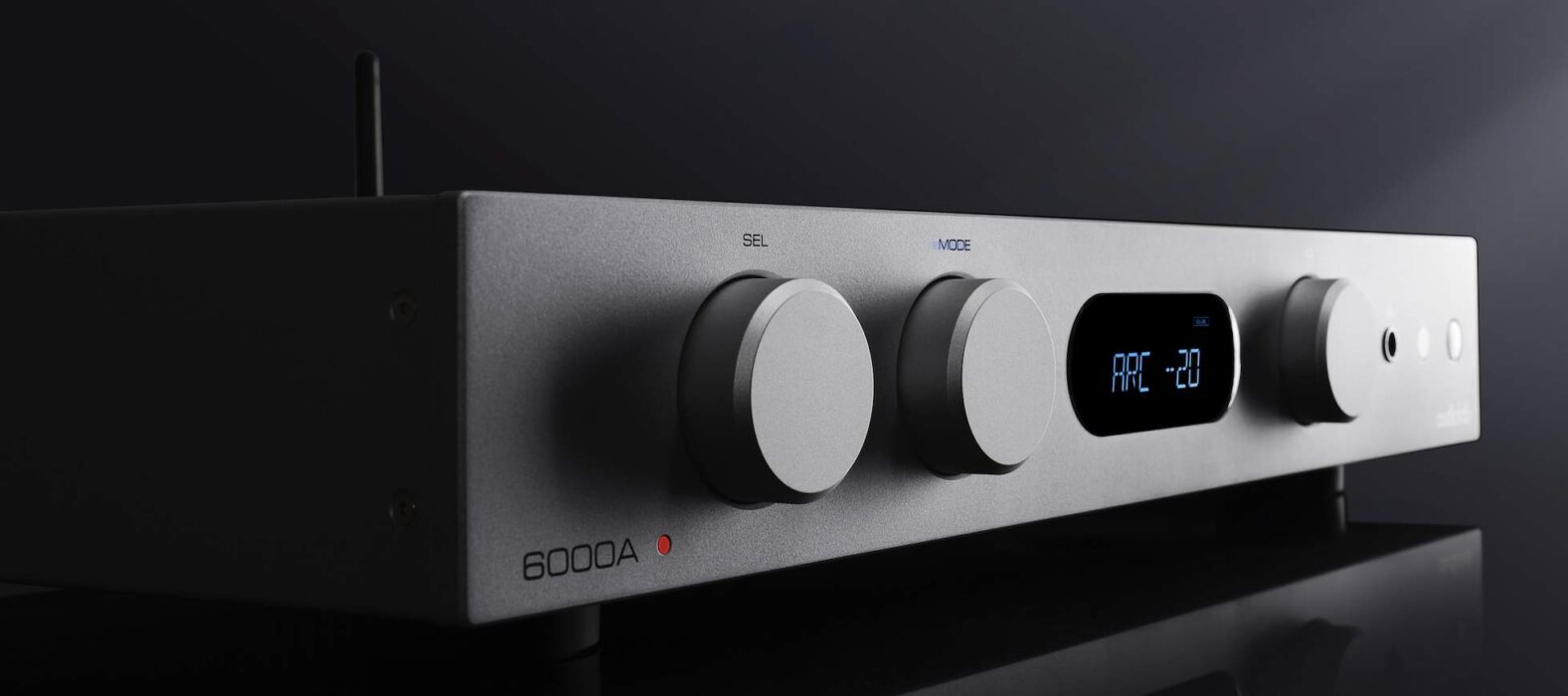
How do you improve on excellence? Audiolab is going to give it a go, it appears as Paul Rigby looks at the Mk.II version of its classic 6000A integrated amplifier
Back in July of 2019, I reviewed the Audiolab 6000A integrated amplifier on my website. I liked it. A lot. Now Audiolab has upgraded the now classic box by improving the transformer, increasing the voltage delivered from it, lowering the impedance for greater control, replacing the old ESS DAC with a ES9038Q2M chipset, adding a Class A circuit in the post-DAC active filter stage plus a new HDMI ARC input while Bluetooth is now at the 5.1 standard.
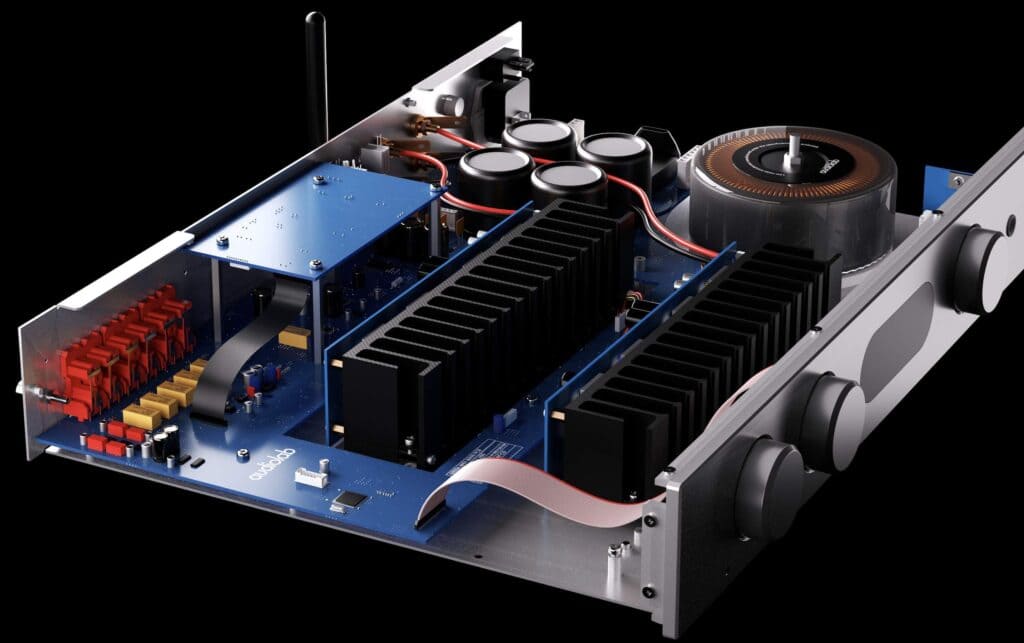
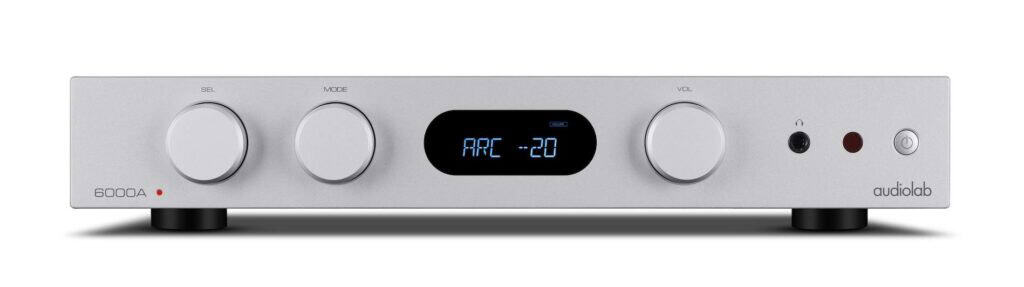
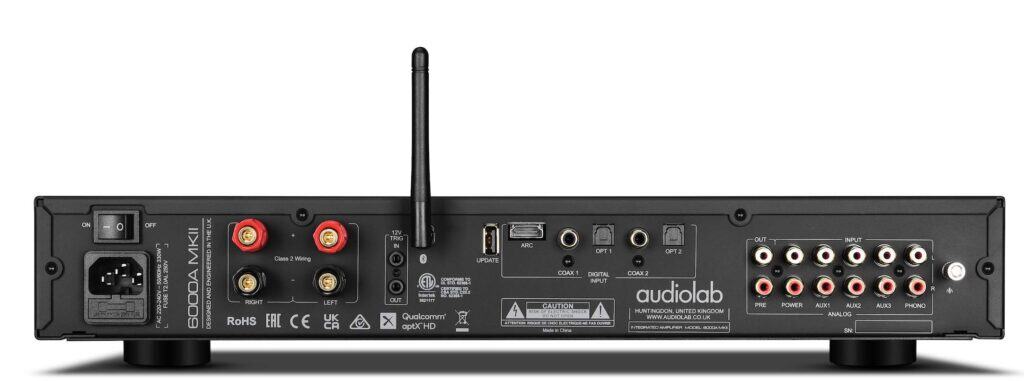
This Class AB amplifier pushes out 50W over 8 Ohms, built-in headphone amplifier, built-in moving magnet phono amplifier, the usual digital bank of sockets, options to turn the unit into a pre-amp or power amplifier, all while spanning a low-slung 444 x 299 x 65mm and weighing in at a hefty 9.7kg, well for the box size.
Oh and you get a decent remote control.
FILTERS
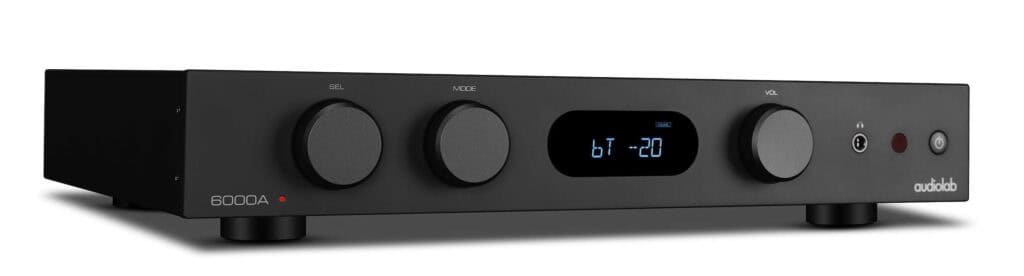
One option of note is the inclusion of EQ filters: Linear Phase (Fast Roll-Off); Linear Phase (Slow Roll-Off), Minimum Phase (Fast Roll-Off), Minimum Phase (Slow Roll-Off) and Hybrid (Fast Roll-Off). I found all the ‘fast’ filters offered variations of edgy mids and chrome bass.
I narrowed my selection down to Minimum Phase (Slow Roll-Off) and Linear Phase (Slow Roll-Off) but felt that Minimum Phase (Slow Roll-Off) lifted the vocals away from the rear of the soundstage, giving a balanced, 3D effect while the instruments offered extra life and pizzaz, so I stuck with Minimum Phase (Slow Roll-Off).
So that’s the filters, let’s see how everything else sounded.
SOUND QUALITY
I drafted in my Audiolab 6000CDT transport – which seemed apt – and my Benchmark DAC and the album Relish via Joan Osborne’s LP from 1995 and the track St. Teresa containing electric and bass guitar, mandolin, drums, organ and synths.
To begin? I wanted to focus on this box as a straight amplifier so brought in the most obvious comparison as a reference, the original 6000A amplifier. The Mk.I, if you like.
VS 6000A
Comparing the two? I felt the Mk.II improved the tonal balance. That was the first thing that hit me. The Mk.II does this by adding weight and power to the bass. Bass on the MK.I was a highlight, a real headline for that design. The Mk.II improves on bass further still so percussion has greater weight and power but the bass improvement also gives gravitas to the vocal delivery. Bass gave Osborne a real husky confidence and full force effect that impressed. High-frequency noise was also lower which meant that subtle resonances from guitar and mandolin strums were better focused and precise.
VS ADVANCED PARIS X-I75
I then brought in the Advanced Paris X-i75 integrated. All amplifiers at this price point are compromises because of their finite build budget. The manufacturer has to decide where to focus his money. The X-i75 follows a Rega-type philosophy of sonic interpretation concentrating more on the quality of the upper frequencies while relying on a solid basic bass performance to finish off the picture.
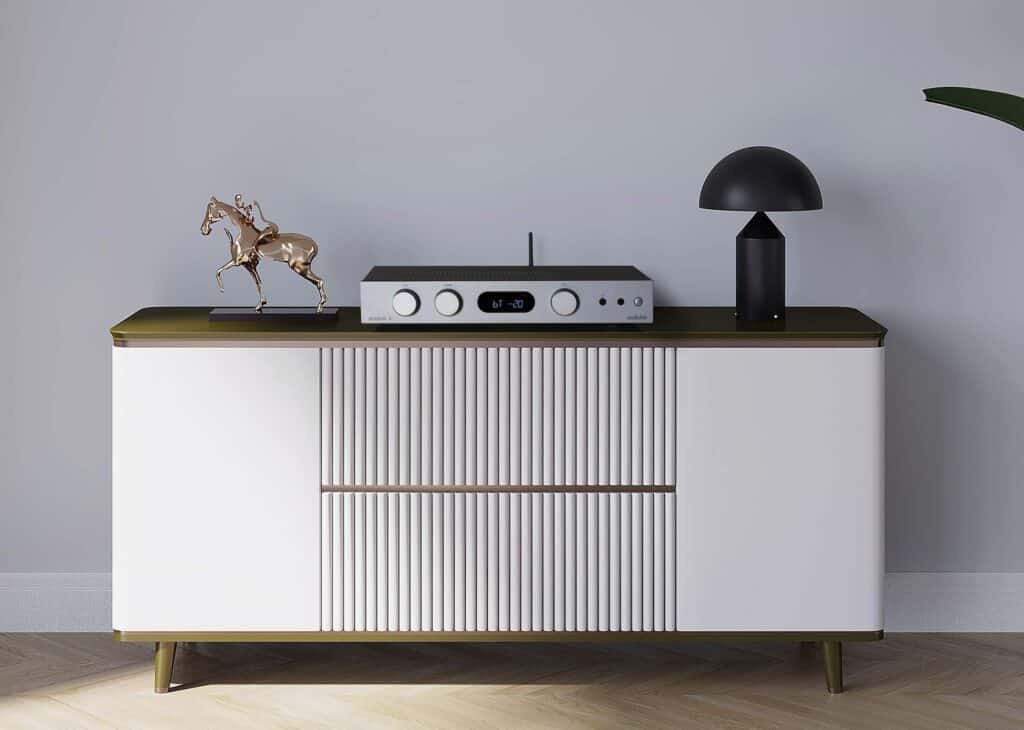
Hence, in upper midrange and treble terms the X-i75 offer more space and air than the 6000A Mk.II, allowing the mandolin, for example, to provide impressive reverb tails. Saying that, the overall tonal balance from the 6000A was more impressive because, while the X-i75 bass was focused and punchy, the 6000A Mk.II offered a larger and more imposing bass response. Combining that bass foundation with the excellent upper frequencies meant that, while the upper frequencies from the X-i75 were dazzling in sonic terms, the overall tonal picture from the 6000A was a more coherent one. The 6000A Mk.II excelled in terms of its neutrality.
VS IOTAVX SA40
Listening to the IOTAVX SA40, that tonal balance was more difficult to separate because the SA40 was equally impressive in this area. Then again, the SA40 is around £300 more expensive than the 6000A Mk.II.
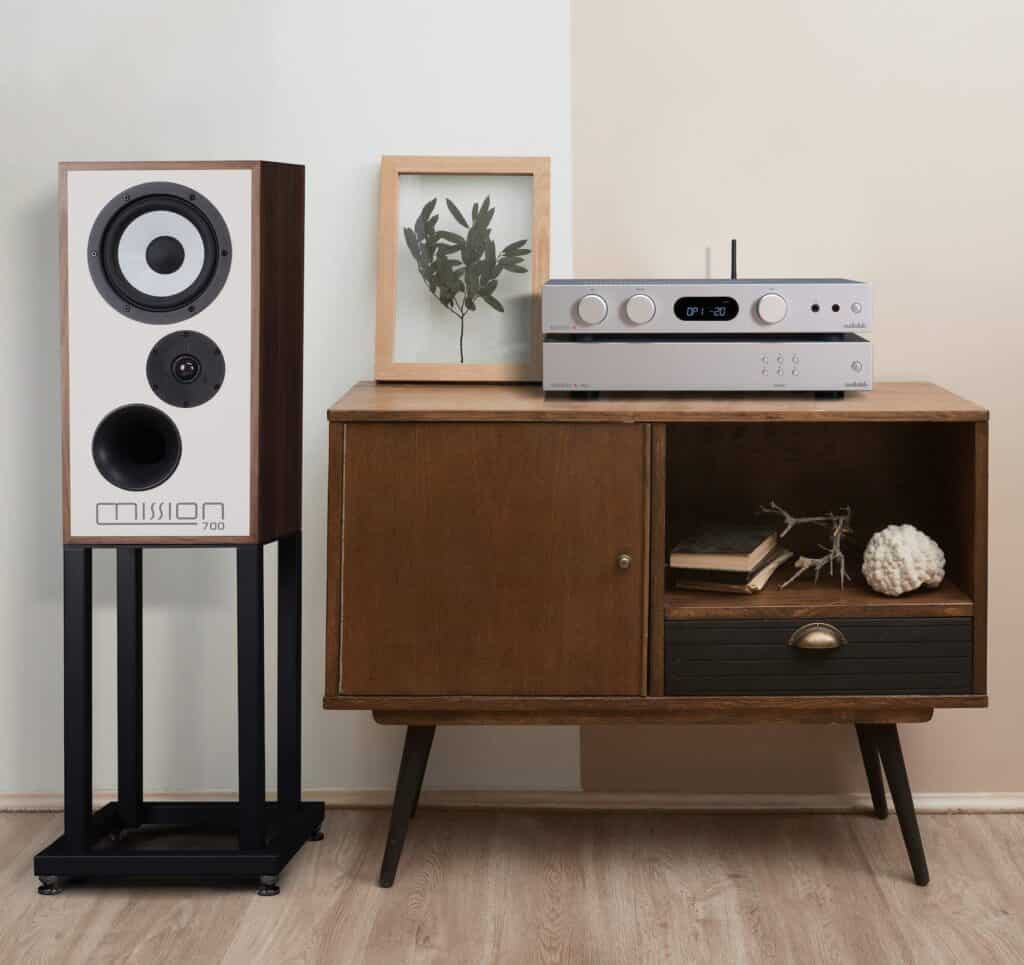
Even so, in that tonal balance, I think the 6000A Mk.II had the edge because the SA40 had a slight emphasis around the upper mids, when compared to the 6000 Mk.II and the bass was possibly a touch pinched. Midrange vocals were maybe more expressive on the SA40 with greater emotional nuance but, again, looking at the overall picture, the 6000A Mk.II scored heavily.
HEADPHONE AMPLIFIER
Looking at the 6000A Mk.II in more detail now and the internal headphone amplifier. What I wanted to hear via my Sennheiser HD650s was the same tonal direction. I didn’t want to hear a different sound personality which would have made the headphone amplifier sound disconnected from the main amp.
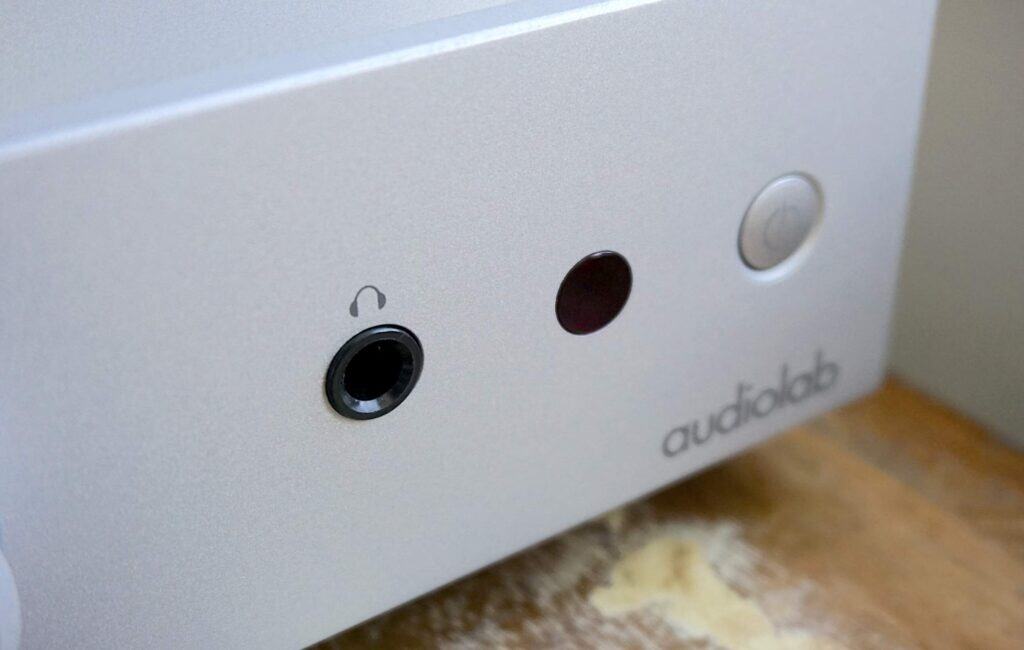
But no, that same wonderful tonal balance was present and correct with a mighty bass response and plenty of upper midrange and treble detail.
PHONO AMPLIFIER
I then turned to the built-in phono amplifier and hooked up my Audio-Technica LP5x playing an original pressing of Joanie Sommers 1962 LP original pressing of For Those Who Think Young via Warner Bros.
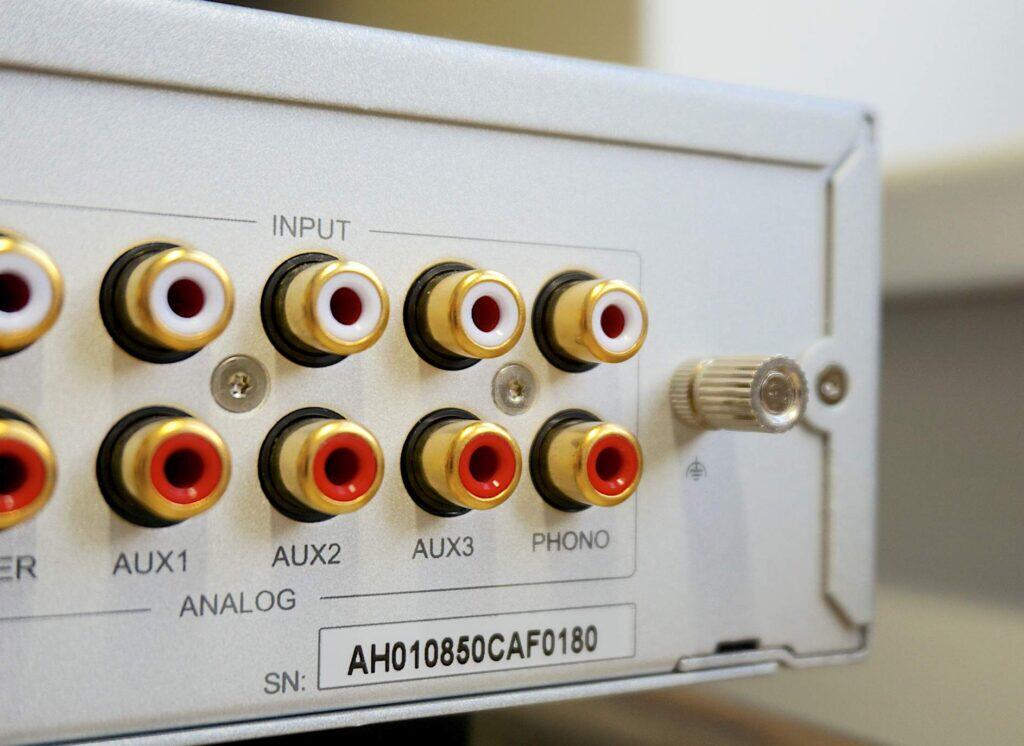
For an internal model, I was impressed with the focus and discipline from the 6000A Mk.II’s phono amplifier. The sometimes wayward upper mids from Sommers were kept firmly in check here without losing any detail or dynamic impact while bass knew its place and never swamped the soundstage. The output was nicely balanced.
INTERNAL DAC
I then plugged my 6000CDT transport directly into the rear of the Audiolab amplifier and was impressed with that configuration via the Joan Osborne CD. Yes, the built-in DAC didn’t have the same level of detail revival or open and broad soundstage as my rather expensive external DAC but that was to be expected.
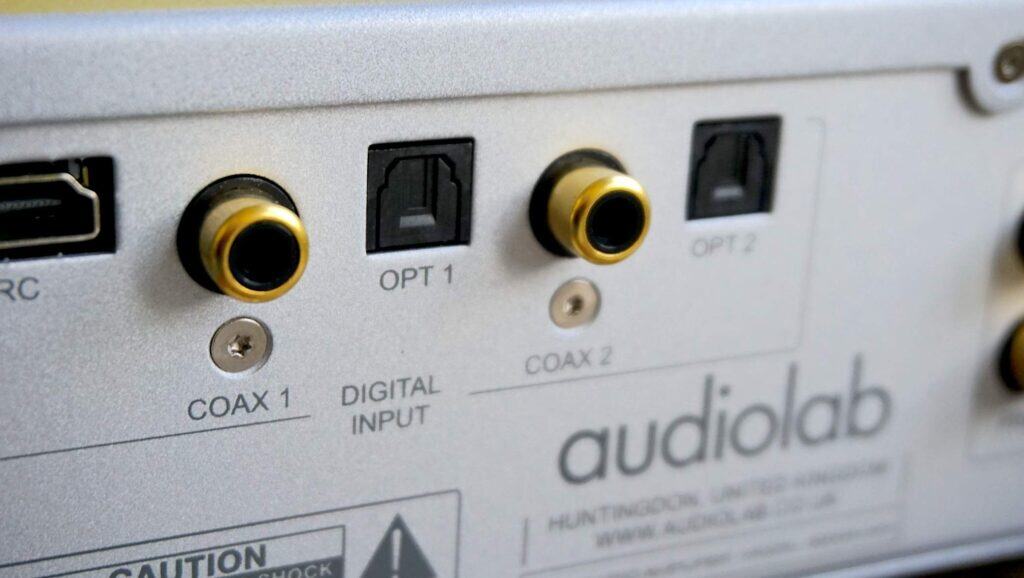
Nevertheless, there was plenty of sonic goodies on offer here. Again, there was that tremendous tonal balance, the impressive cohesive nature of the sound with felt like a sonic whole, a complete picture, a sound jigsaw where everything fitted nicely together.
BLUETOOTH
Finally, I played a selection of Nick Drake via my Astell&Kern Kann Alpha through the aptX HD codec and The Doves via my MacBook through the AAC codec and was very impressed.
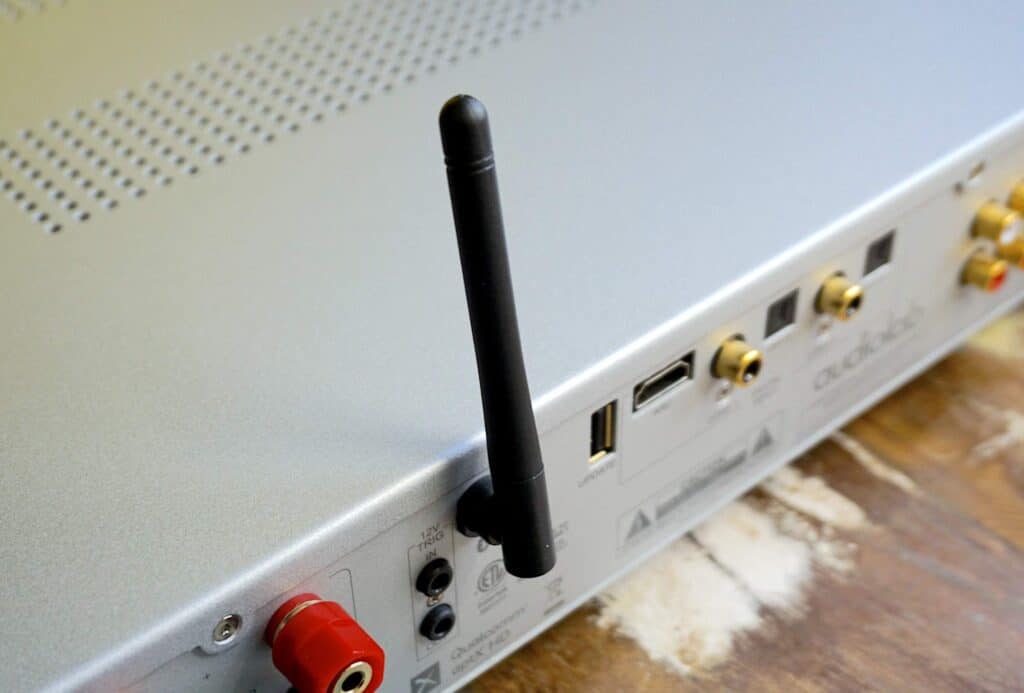
Especially when you consider the aptX HD is not my favourite codec and Bluetooth itself can be a little flaky in sonic terms via AAC. Even so, the 6000A Mk.II presented the sound in its best light, masking the slightly thin nature of the stream with that tonal confidence I’ve mentioned several times now.
CONCLUSION
Listening to the Audiolab 6000A Mk.II, I have to come back, once again, to the cohesive nature of the sonic presentation. Sound here was presented as a well designed and formulated whole. Nothing here sounded out of place.
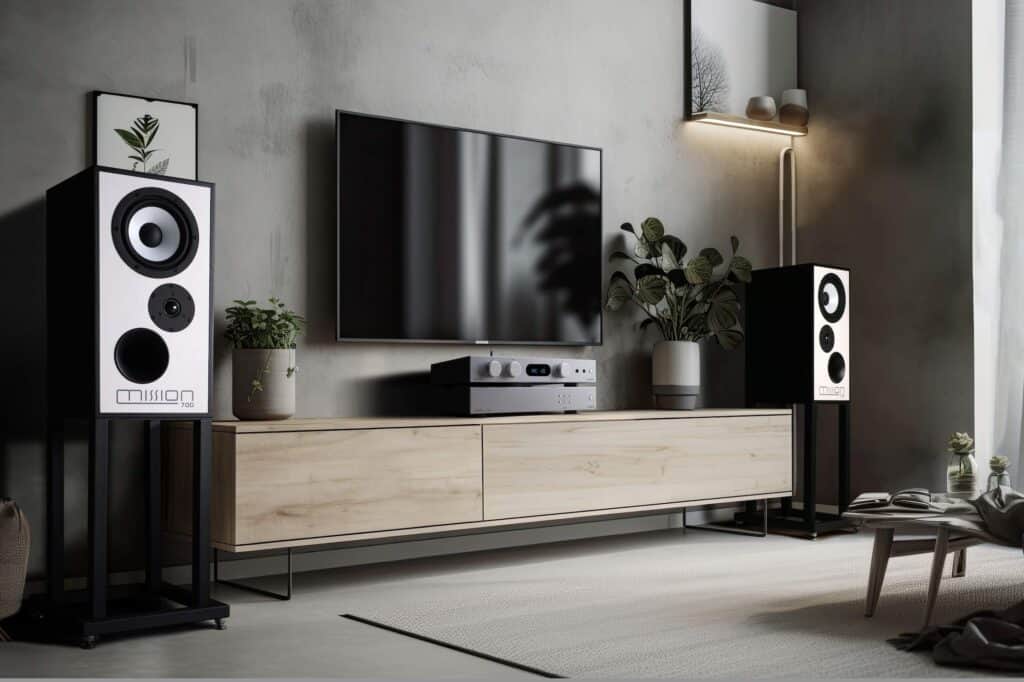
There were no irritating frequencies sticking out from the sonic picture, making a nuisance of themseves. The 6000A Mk.II sounded correct. It sounded right. For under £1k? The 6000A Mk.II is the reference design that all competitors need to test against. The 6000A Mk.II is the new default. The new standard.
AUDIOLAB 6000A Mk.II AMPLIFIER
Price: £699
BUY HERE:
Website: www.audiolab.co.uk
GOOD: tonal balance, coherent mids, big bass, build
BAD: nothing
RATING: 9

Don’t forget to check out my Patreon Page at www.patreon.com/audiophileman, for exclusive postings and more!]
REFERENCE
Origin Live Sovereign turntable
Origin Live Enterprise 12″ arm
Icon PS3 phono amplifier
Aesthetix Calypso pre-amp
Icon Audio MB845 Mk.II Monoblock Amplifiers
Quad ESL57 Electrostatic Speakers
Blue Horizon Professional Rack System
Harmonic Resolution Systems Noise Reduction Components
Air Audio AC-2K Balanced Transformer
Love it, love the thing, lovely review, love the AUDIOLAB6000A MKII, lovely lovely stuff
At-the-end-of-the-day, the combination of the Yamaha 801 Integrated Amp, feed by a Cambridge Audio CXC is a far better deal than either the Leak CDTransport or the Audiolab integrated Amp. Even in 2025, what I bought in October of 2018 still bests most of what is newly introduced in 2025.
tested that amp and can write my opinion – if you looking for integrated amp for rock, blues music at the same price level look at Arcam A15 which plays more musically in comparison to Audiolab. While listening to Poundcake by Van Halen on Audiolab i can hear Eddie talk just before guitar sound with drill is coming but guitar has no balls. On Arcam i can feel the power of the guitar although in chorus acoustic 12-string is hidden. The sonic picture in Audiolab seems to be a little wider but in Arcam is more 3D. Bass in Audiolab is really precise but sometimes i have to move speakers around a little bit to avoid bass “booming”. Arcam controls the bass more accurate and even techno & house music are more mellow sounding than on Audiolab. Audiolab plays bad produced records as a kind of “organised noise” but on Arcam they are more like music. Letter from home by Pat Metheny sounds better on Audiolab, i cant say more elegant and defined. Piano in Audiolab has more high frequencies and harmonic but in Arcam is more forward. Arcam also present better vocals like in Adelle Hello and even in rock. Arcam also forgives more and try to improve worse sounding records. Interesting while playing Steely Dan on both: Audiolab shows you all elements equally, planned in stereo very well organised and i can imagine artists were sitting many months in studio to got this done. The same compositions on Arcam are more rhytmic as section bass and drums really plays more “punchy”. Guns n Roses guitar sounds on Audiolab are very detailed, you can hear each guitar part separately even on cheap soundspeakers like my Wharfedale 12.1 but on Arcam those guitars and drums/bass wants you to stomp and clap bringin so much joy from listening….
I recently experienced terrible service support from Audiolab and their authorized distributor. Rude treatment, passing responsibility back and forth, zero help with a warranty issue.
The products may be great, but when something goes wrong, you’re on your own.
Think twice before buying Audiolab.
6000a or 6000a mkII ? The new amp is around 250 euro more expensive than the first version but google say the latest version over the first
Of course do to improvements but price difference is = a streamer with room correction (between 250 and 300 euros around 270-280 euro)
My opinions are all in the review 🙂 That’s my answer. If you find a deal for the original? Well, you will have to judge if the savings are enough to plump for that.