The Article
VALKYRIE DAC AND HEAD AMP FROM IFI
2nd October 2025
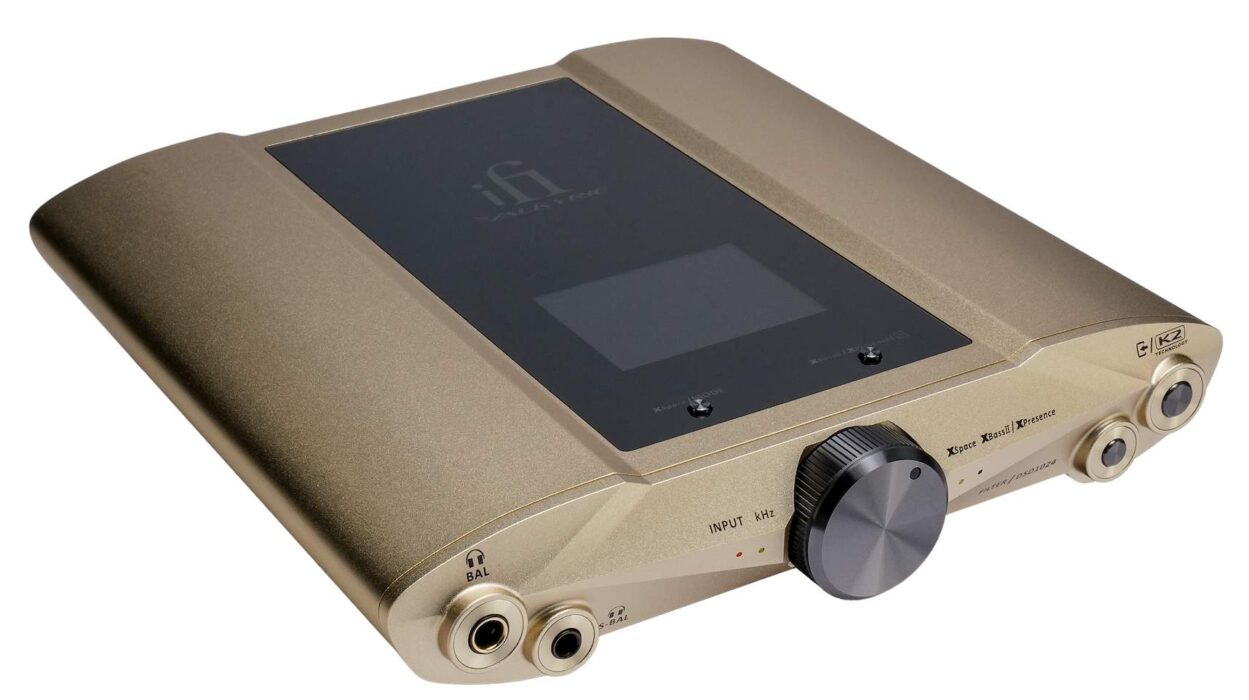
A DAC amplifier combo in a unique wrapper and packed with sonic tools, Paul Rigby takes off with the Valkyrie
Welcome to yet another Norse-flavoured episode of the Audiophile Man and a look at iFi’s compact, low-slung, DAC/amplifier, the Valkyrie.
Let’s quickly get the styling out of the way, shall we? The company insists the chassis takes design cues from the wings of a Valkyrie from Norse mythology. Hence the name. Something like this image, in fact.

I take issue with that.

At the risk of becoming Mr Pedantic Head of Nerd City USA, population 1, to me, this DAC/amp looks exactly like a head on view of the Star Trek Deep Space Nine spaceship, the USS Defiant. Here’s a top down view. Looks nothing like the iFi Dac/amp, right? How about this?

Starting to look familiar? Or how about this front elevation?

The resemblance is uncanny I’d say. So no to the myth-making warrior ladies but yes to the tough little combat-focused space ship that wreaked havoc amongst the Dominion hoards!
Actually.
TECH TALK
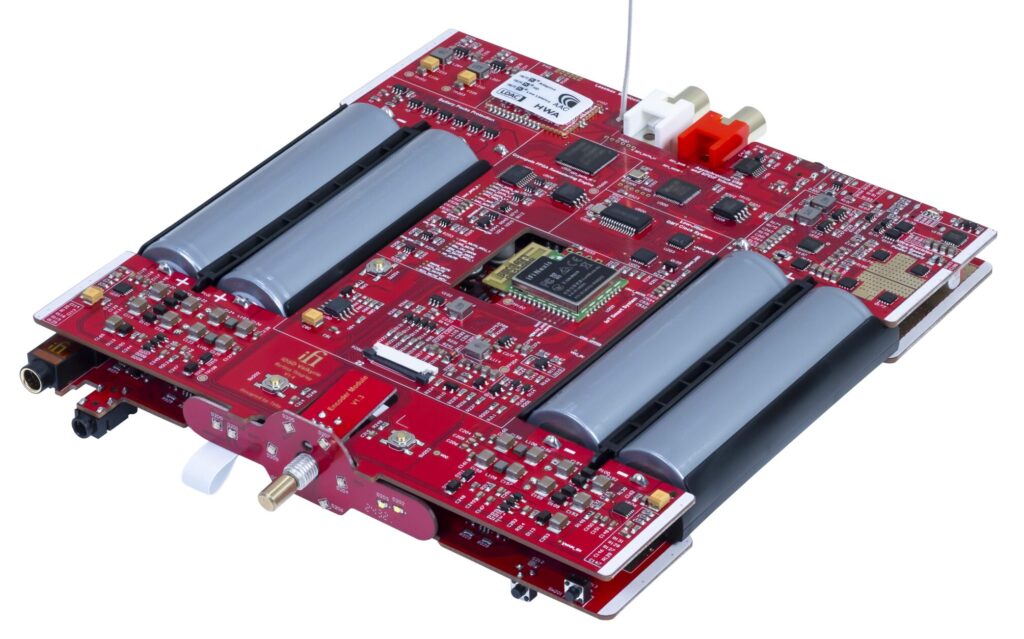
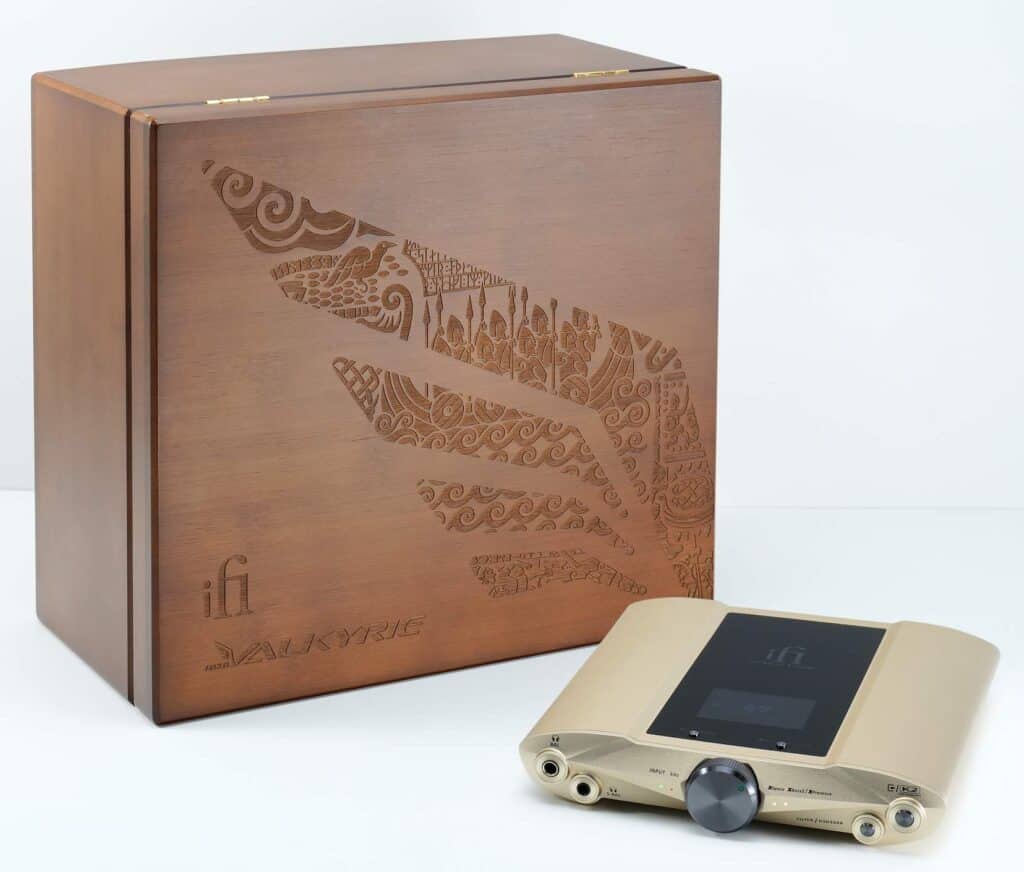
Apart from that? The Valkyrie spans 172 x 160 x 30mm and weighs just 882g, features four Burr Brown PCM1793 DAC chips (and I do like Burr Brown DAC chips) that support up to 32bit/768kHz and DSD512 native plus DSD1024 remastered plus an FPGA that handles the filtering and upscaling.
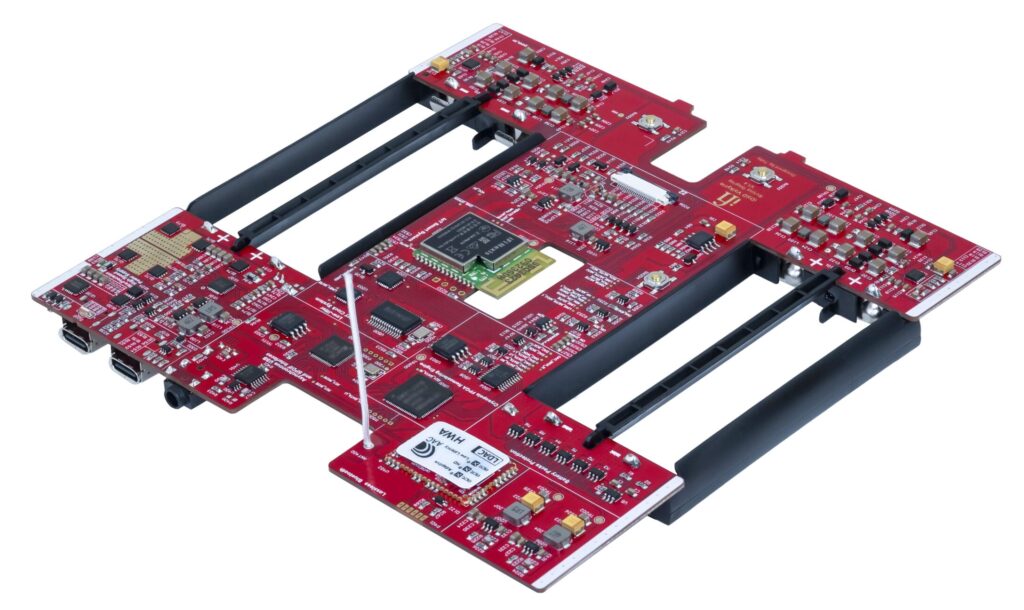
Speaking of which there are six digital filters available and two JVC developed K2 remastering filters for DSD that uses an algorithm to replace supposedly missing sound data plus other enhancements that I’ll get to later. You get Bluetooth 5.4 with a range of codecs including aptX Lossless and LDAC.
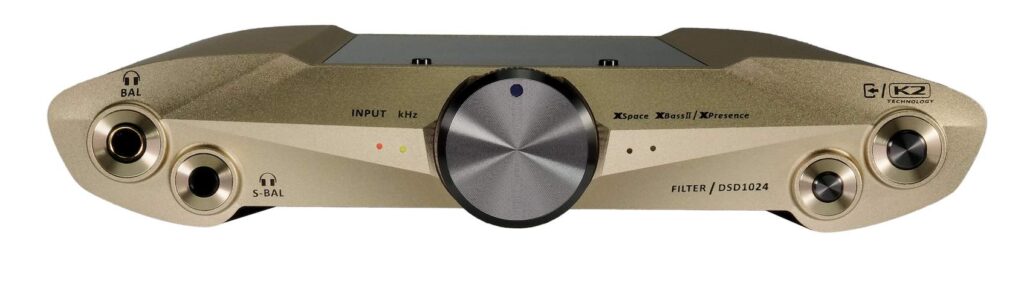
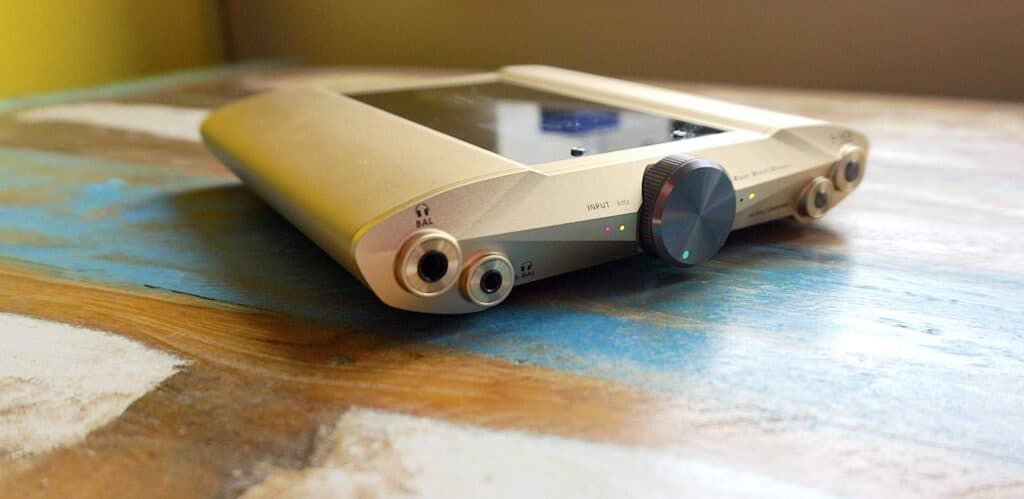
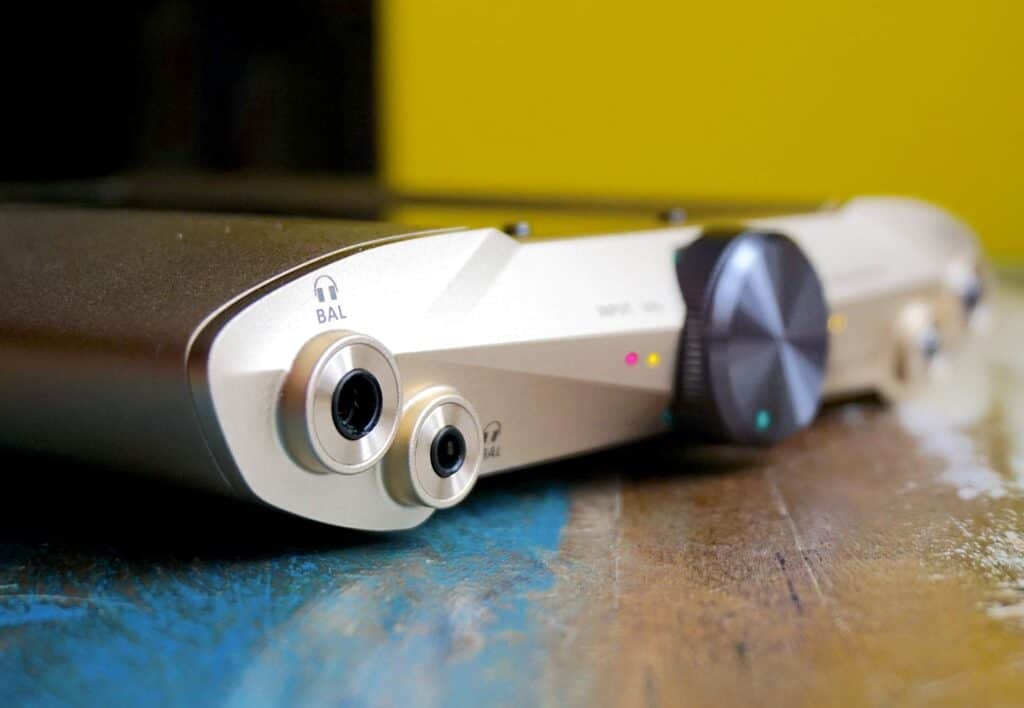
The front of the Valkyrie includes outputs for 3.5mm and 4.4mm Pentaconn headphones plus multi-function buttons for sources and filters and a rotary volume knob that, when pressed inwards, serves as a power button.
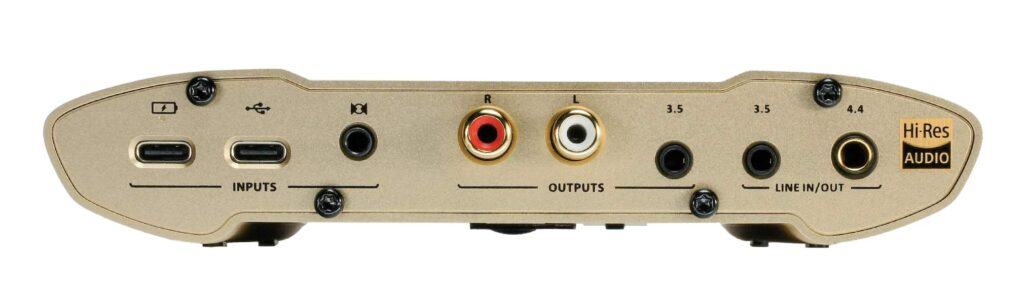
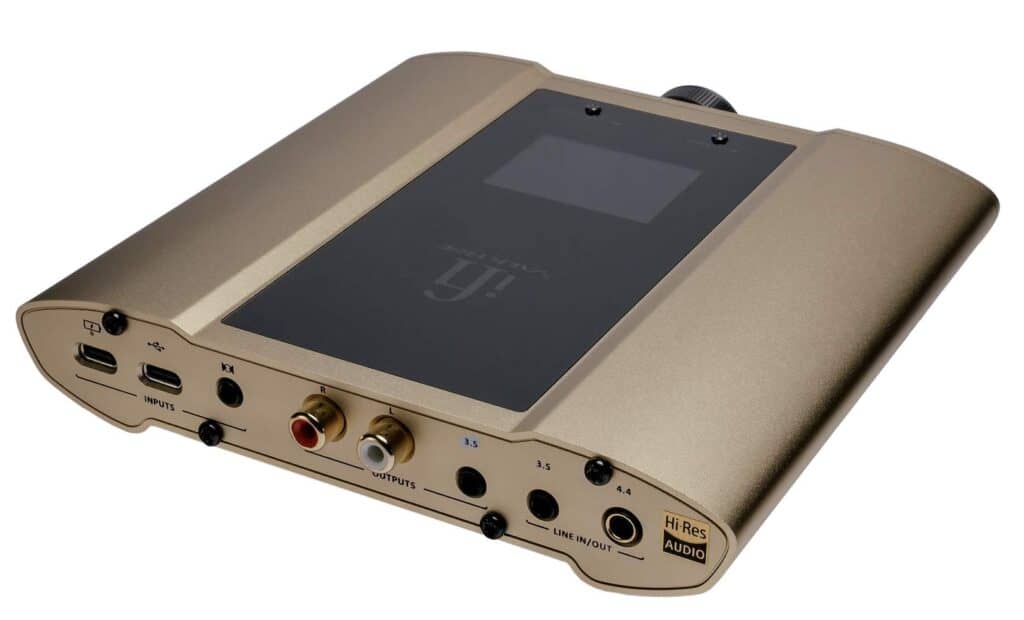
The rear incudes a USB-C power socket that also recharges the batteries plus mini-coax and USB-C inputs plus single-ended RCAs plus single-ended 3.5mm inputs and output and 4.4mm Pentaconn input/output.
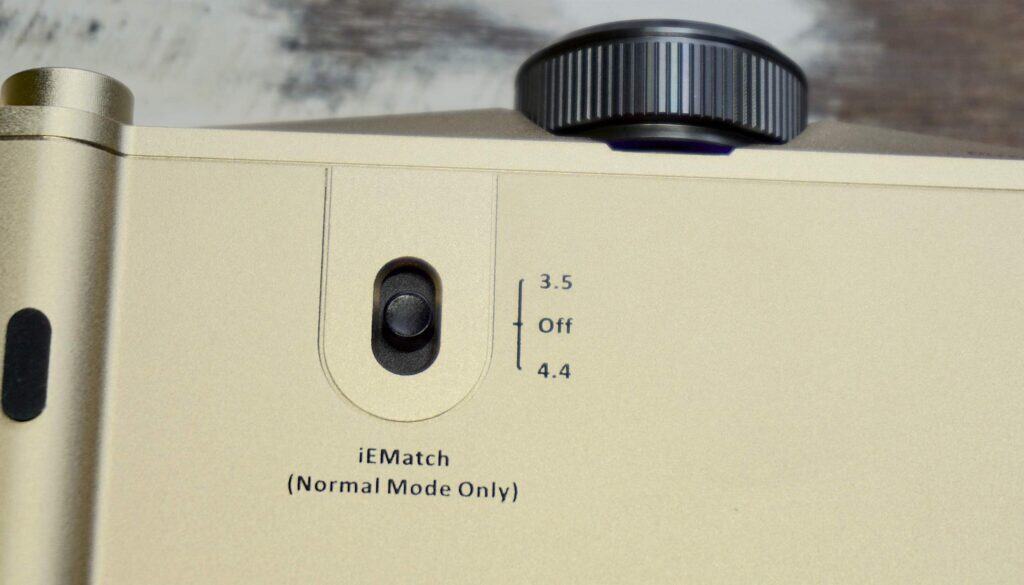
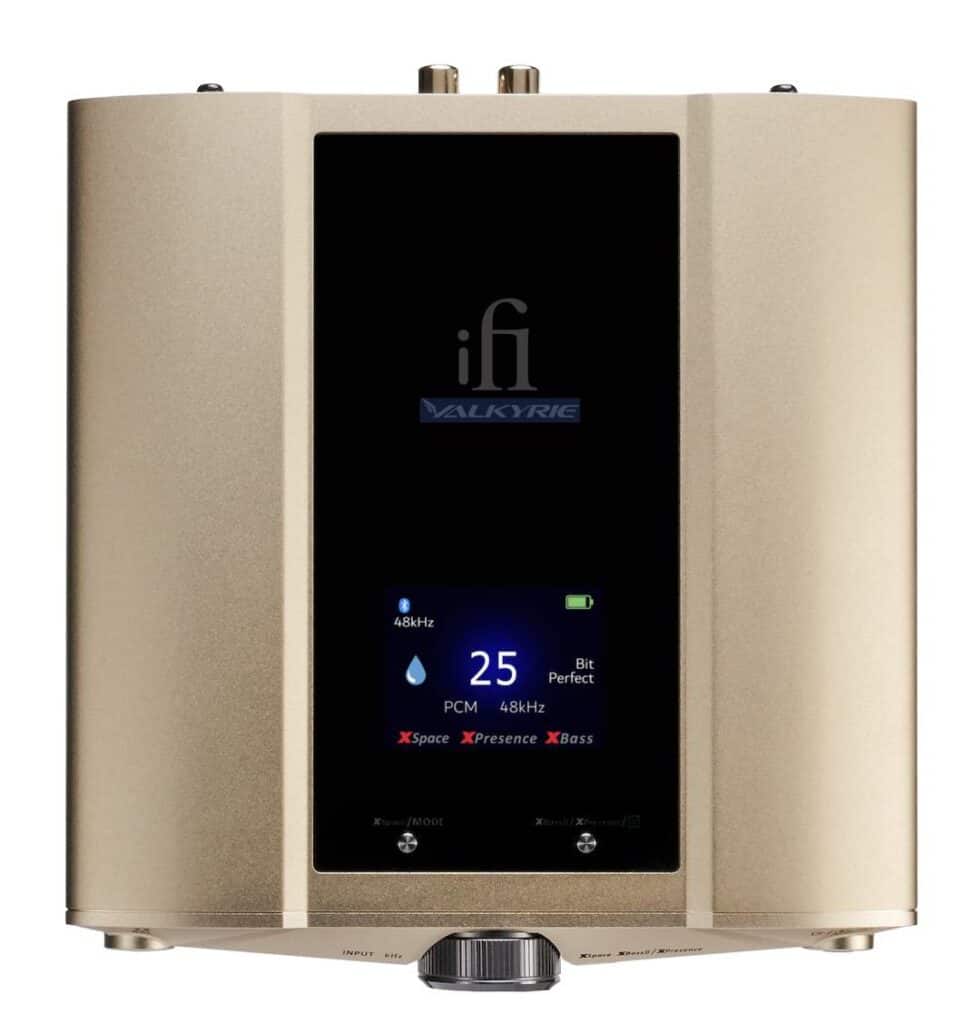
An IEMatch switch is situated underneath for IEM use and a TFT output screen is positioned above. I loved the screen which was compact but clear and informative.
iFi describes the Valkyrie as a portable device, based on its 18 hours of battery life but I don’t see it that way. Firstly, it’s not portable, it’s luggable. Secondly, I see this box as a home-based, small footprint unit that uses battery power to isolate itself from mains noise and vibration which will improve sound generally. Much like the Musical Surroundings Nova II phono amplifier, as one example. If I wanted a portable DAC/headphones amp system, I would pick something smaller and easier to carry.
But how does this one sound? Well, let’s give it a little listen.
SOUND QUALITY
To begin? I wanted to sort out the gamut of filters and the like so I grabbed my Apple M3-powered MacBook Pro and connected that – wired – to the Valkyrie via USB. I then played a variety of music through it including Nick Drake’s Pink Moon at 24bit/96kHz and Tom Waits’ Small Change at the same resolution.
DIGITAL FILTERS
I decided to riffle through the digital filters first, finding the default Bit Perfect generally inoffensive although a little claustrophobic in midrange and bass rather dull. I then turned to GTO which was just the opposite offering pinched mids and compressed treble.
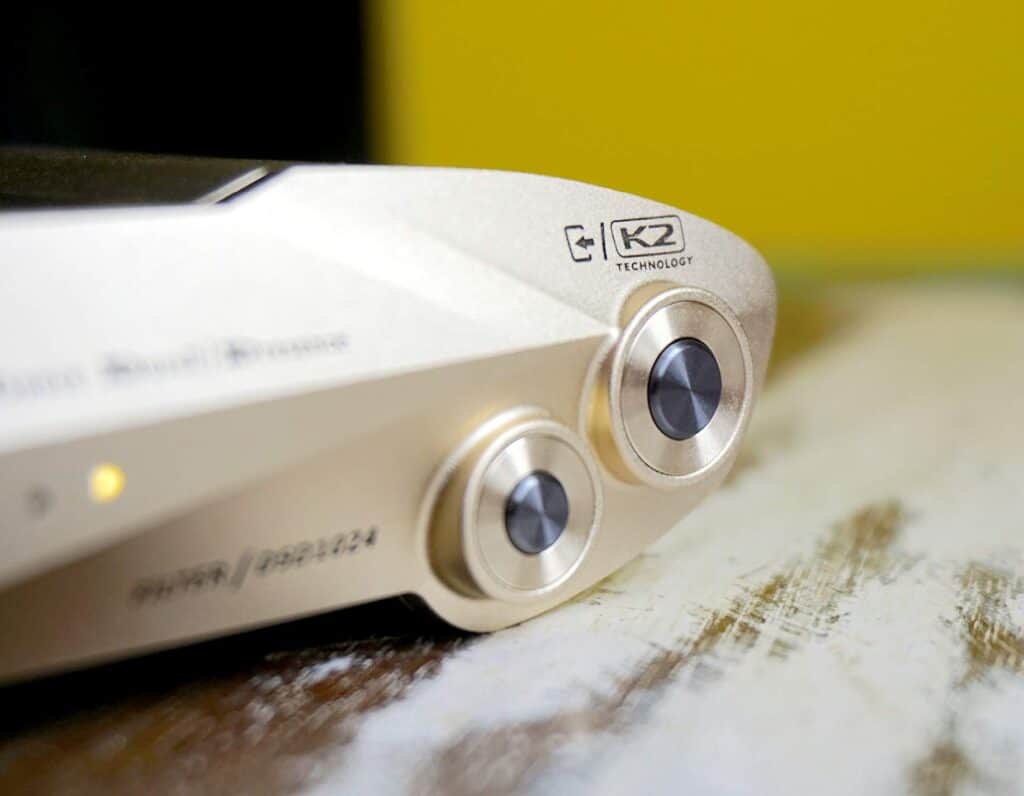
Apodising was GTO accentuated, sounding worse to my ears. Transient Aligned was more like it. Not exactly balanced but getting there, although the upper mids were a little emphasised.
Standard was much better with a spacious and open soundstage allowing the music to flow and move freely. Minimum was probably the most neutral filter of the lot. It was a toss up between this and Standard but Standard won because of that injection of air and space. Detail and information also had a more naturalistic sound.
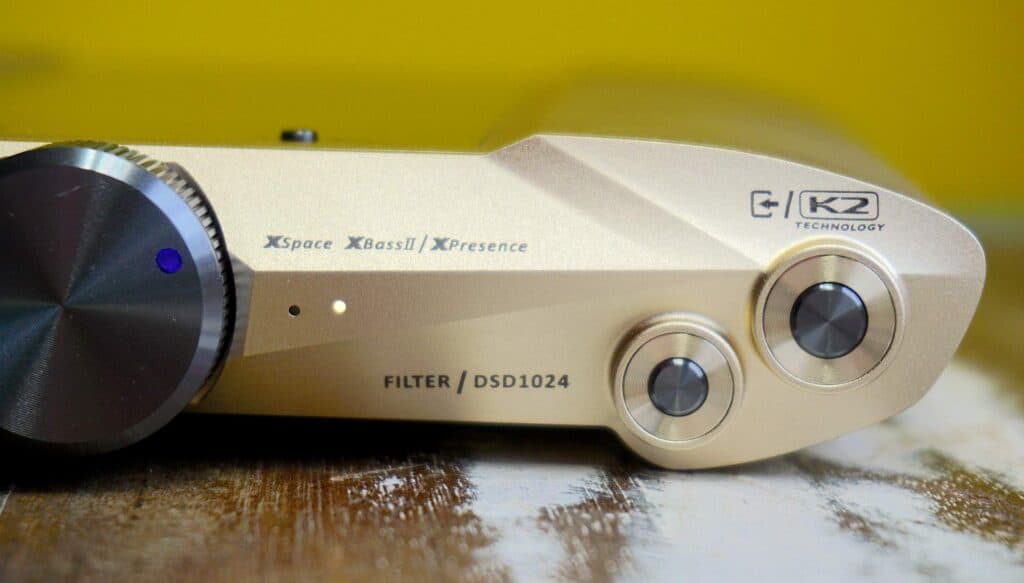
I then tried the so-called XSpace EQ which sounded very impressive for the first couple of minutes being full of space and dynamic reach but listening fatigue then set in. It was an overkill. It was like the singers were doing their stuff in a gale-force wind. They were actually competing with XSpace.
XBass, another EQ, was a no-no for me as it gave bass too much power, unbalancing the output too far towards the lower frequencies. I then punched in a third EQ option, XPresense which only succeeded in adding an edge to the mids, especially the upper mids and treble.
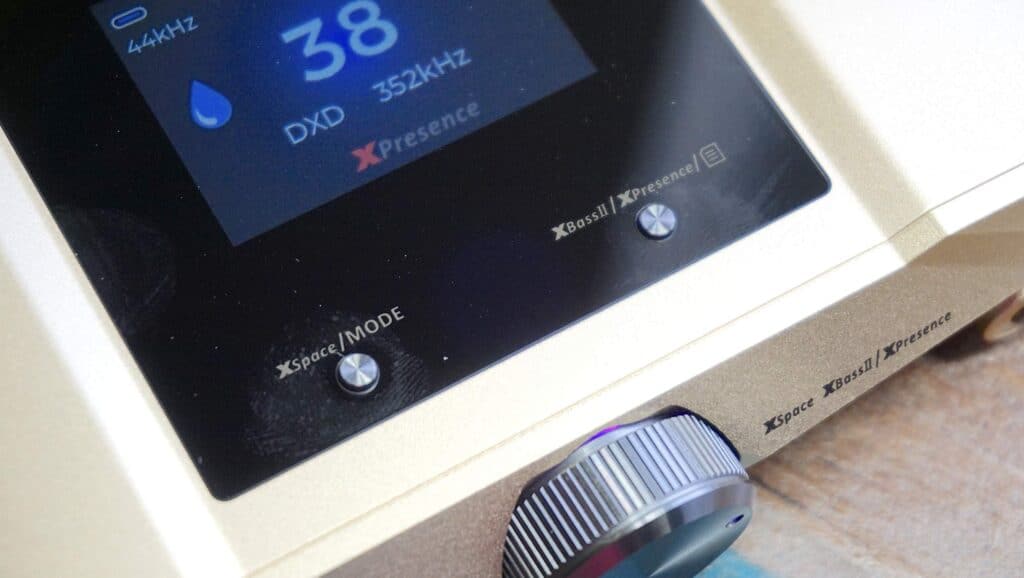
I then tried the K2 filter and was impressed by the focus and precision of this filter but the overall song ended up sounding too tight, lacking in freedom, almost shackled to the stereo image.
Finally, I could only access the second, K2HD option with a selection of digital filters engaged and none of them my favourites. The combo did sound very nice indeed but the K2 coding kept the music nailed to a door with no freedom allowed. So I dropped it.
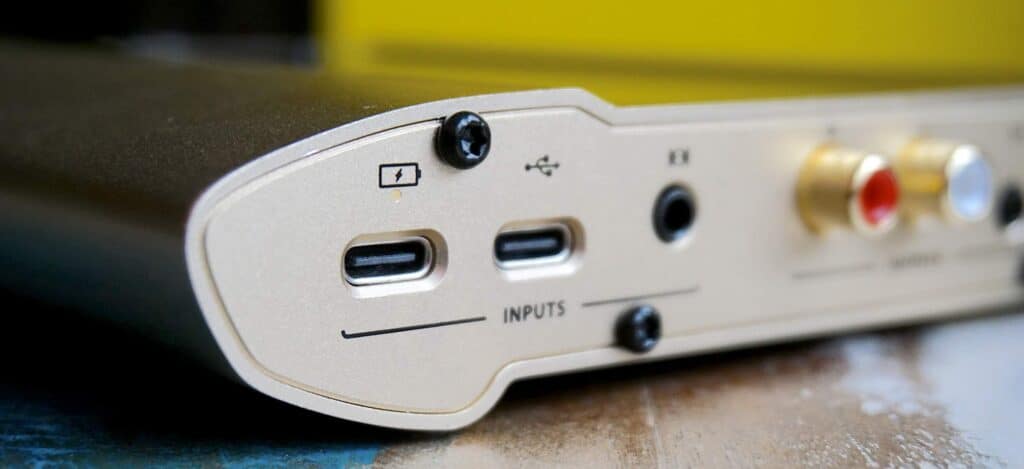
Hence, my final preferences were thus: Standard digital filter selected, XBass and Presence off, K2 filtering off. Using filters – any filters on any component – is a personal choice that might very well appeal to your personal sonic bias. It’s actually a good thing to have the choice. Most components don’t even bother to implement such a wide array. To have so many options is a good thing. Doesn’t mean you have to love them all or any at all. Some people love them, others do not, others will choose a different EQ pattern. But the choice is nice to have.
BLUETOOTH
I then powered up Qobuz on my laptop and played Rush’s Moving Pictures via Bluetooth at 24bit/192kHz and was impressed by the output. For a Bluetooth stream, the sound remained pretty balanced with enough detail and insight to allow me to enjoy my listening experience.
I then tried Bluetooth and my iPhone. Apple Music displayed the iFi connection and oddly, a Lossless Music tag. Which was anything but because the Valkyrie had connected to my phone via the AAC lossy codec. Even so, the output was pretty neutral, despite the trademark thin AAC midrange, weedy treble and shallow bass. For AAC, the Valkyrie dealt with this lossy file very nicely indeed.
Moving to my Kann Alpha DAP via Astel&Kern I played Carousels via the Doves at 24bit/96kHz using the LDAC codec, the Valkyrie actually vocalising the LDAC connection which was very useful.
Now sure, Bluetooth didn’t quite have the clarity or broad soundstage of the wired laptop connection, that was to be expected. Even so, I remained mightily impressed with the LDAC output via the Valkyrie. Bass was tough and massy, midrange detail poured from my Quad electrostatic speakers and there was enough delicacy in the treble to prove a nicely balanced performance.
DSD
I then tried a DSD256 file via Iman Spaargaren and Peter Bjornild and the track Someday My Prince Will Come via upright bass and clarinet. It was at this point that I tested the DSD Remastering option. Upping the Remastering to DSD512 tamed a slight edge on the DSD256 upper mids from the sax which provided more detail. I could also hear more detail from the sax-based breathing now while bass was more compact and focused.
Upping the Remastering to DSD1024 did nothing at all via Bluetooth but did improve matters via a wired connection adding both clarity and space around the soundstage. So thumbs up for this option.
HEADPHONES
As for headphones? Connecting my Meze 99 headphones to the 3.5mm socket produced a beautifully calm and clear rendition. A balanced delivery and organic too with plenty of noticeable subtle breathing excerpts and mouth movements from the sax player giving a fascinating insight to the overall performance.
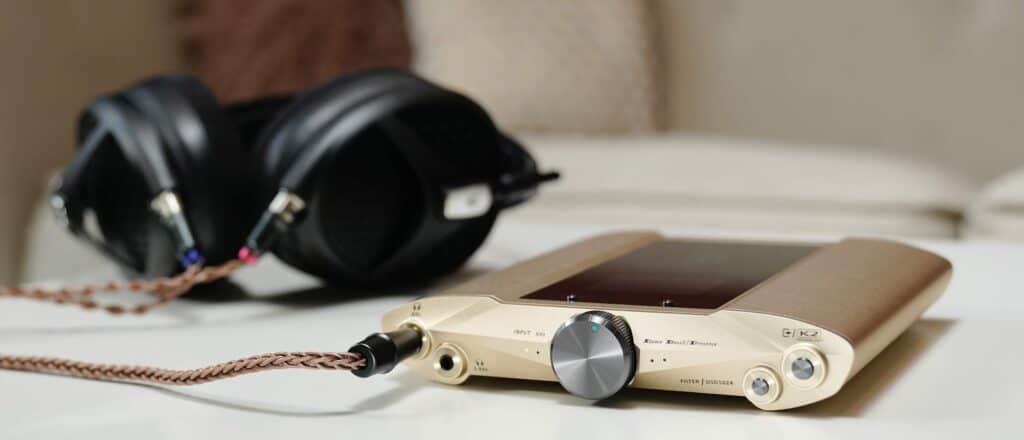
Hooking up my Sennheiser 600 S headphone via the Pentaconn socket and the song output sounded rather lovely. The music flowed easily and without fuss. Detail and precision walked hand in hand with a low noise delivery which was over music too soon.
CONCLUSION
A multi-tool DAC and amplifier combo, iFi’s Defiant, sorry Valkyrie, the pride of the Federation fleet, is all about choice, covering more tech bases than many products in its sector, this stylish little box, with its small footprint and low-slung design, sounds excellent, even when presented with a dubious music source while excelling off the back of quality signals.
For a high-end model that costs a pretty penny, I would still say it presents great value for money because this little box could well be an end-game purchase for those looking for a DAC/headphone amp combo.
IFI VALKYRIE DAC/HEAD AMPLIFIER
Price: £1,699
Website: ifi-audio.com
GOOD: feature set, interface, Bluetooth output, wired output, build quality
BAD: small labelling, Marmite design, instability during high-speed combat manoeuvres
RATING: 8

[Don’t forget to check out my new Patreon Page at www.patreon.com/audiophileman, for exclusive postings, giveaways and more!]
REFERENCE
Apple iPhone
Astell&Kern Kann Alpha DAP
Q Acoustic 3020i speakers
Harmonic Resolution Systems Noise Reduction Components
Air Audio AC-2K Balanced Transformer
Chord Powerhaus M6 power block
Connect Fidelity Six Star Power Block
Furutech NCF Clear Line Mains Connector