
The Article
DX5 II AMP/DAC COMBO FROM TOPPING
16th December 2025
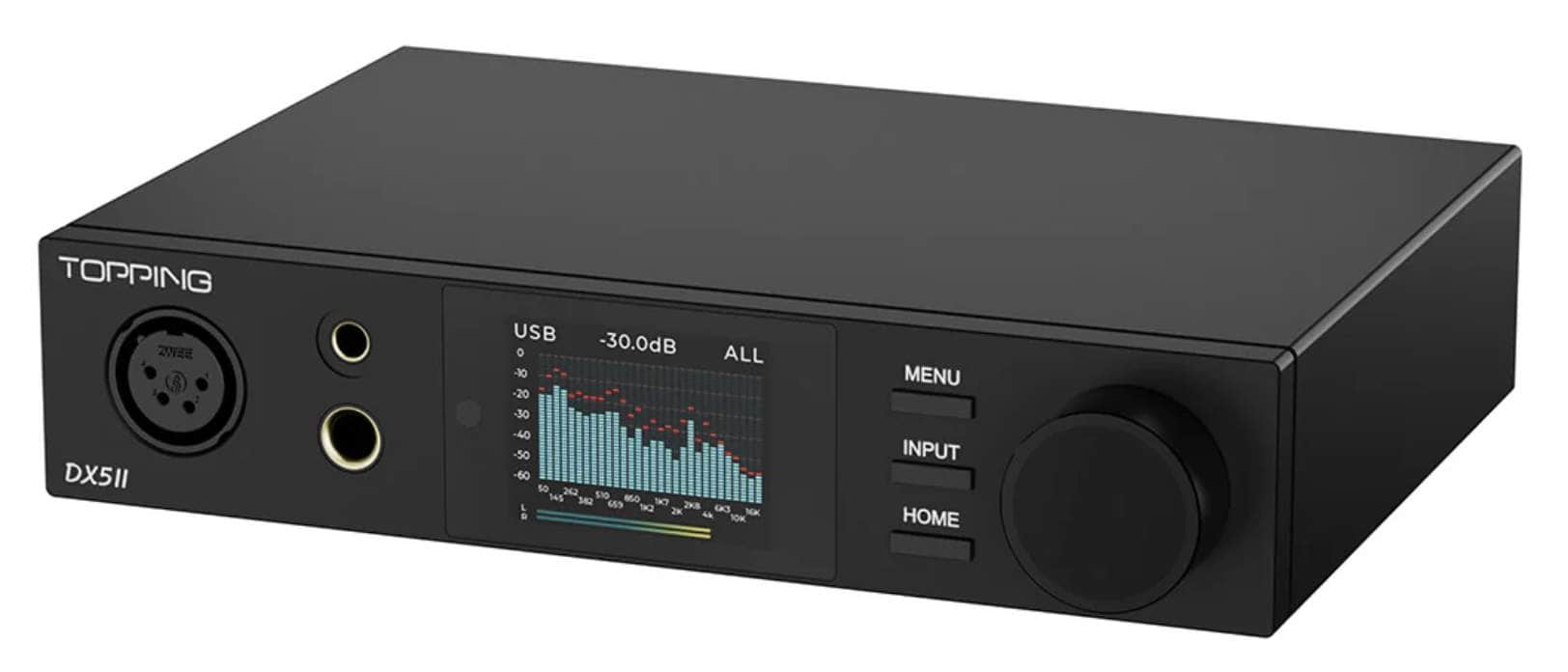
A keenly priced DAC and headphone amplifier offering a heap of features, Paul Rigby has a lot to do!
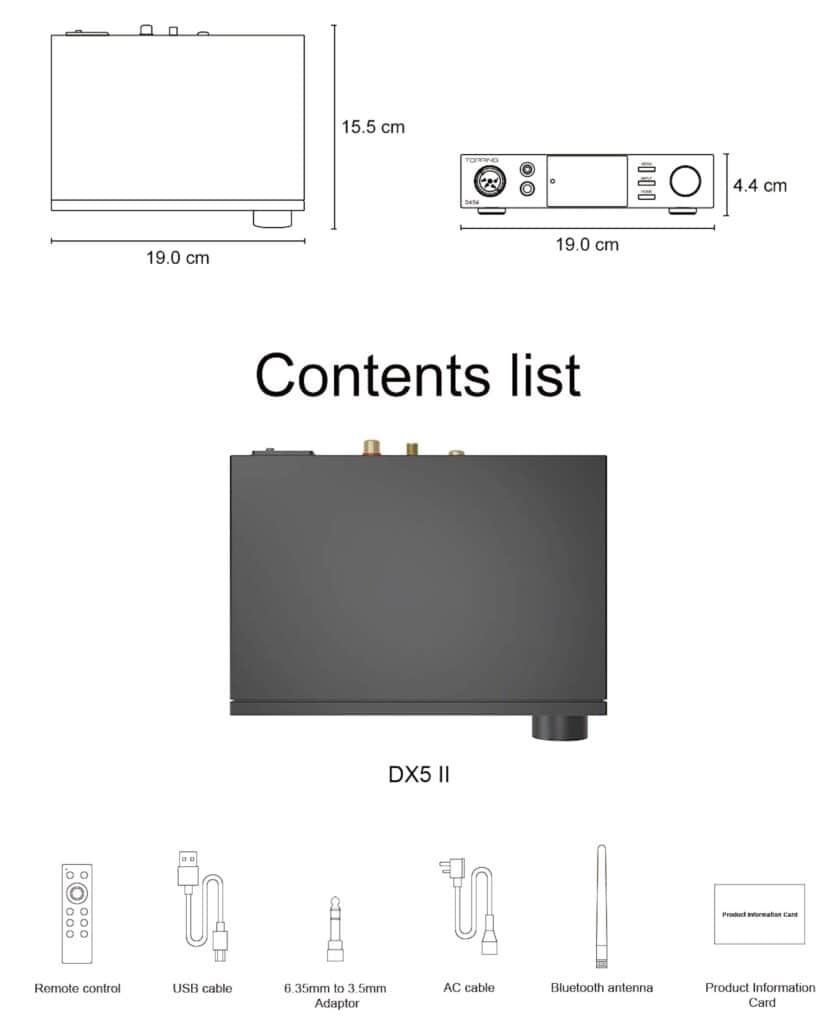
Occupying a slightly smaller footprint than I’m used to with the company’s recently released DACs, for example, the Topping DX5 II DAC/Headphone Amplifier spans 190mm x 155mm x 44mm, including it’s sticky-out bits and weighs an easily luggable 945g.
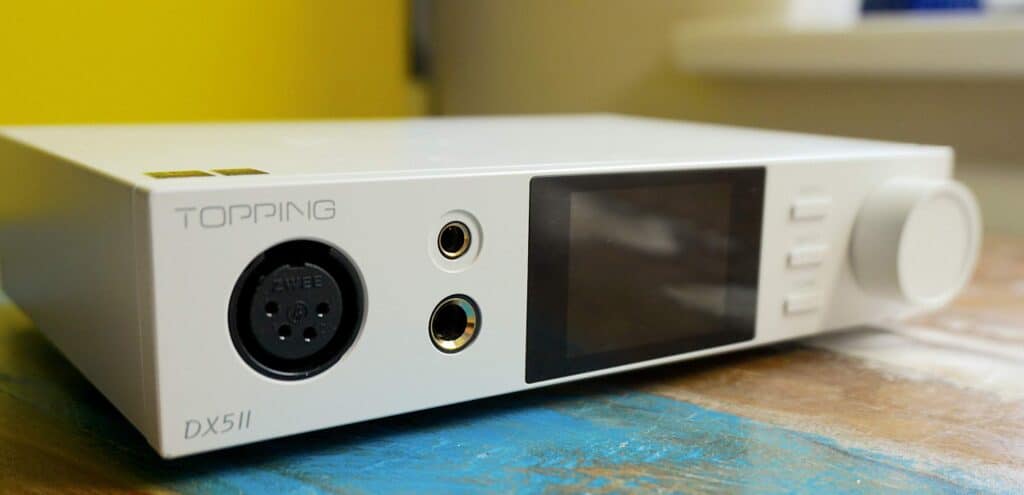
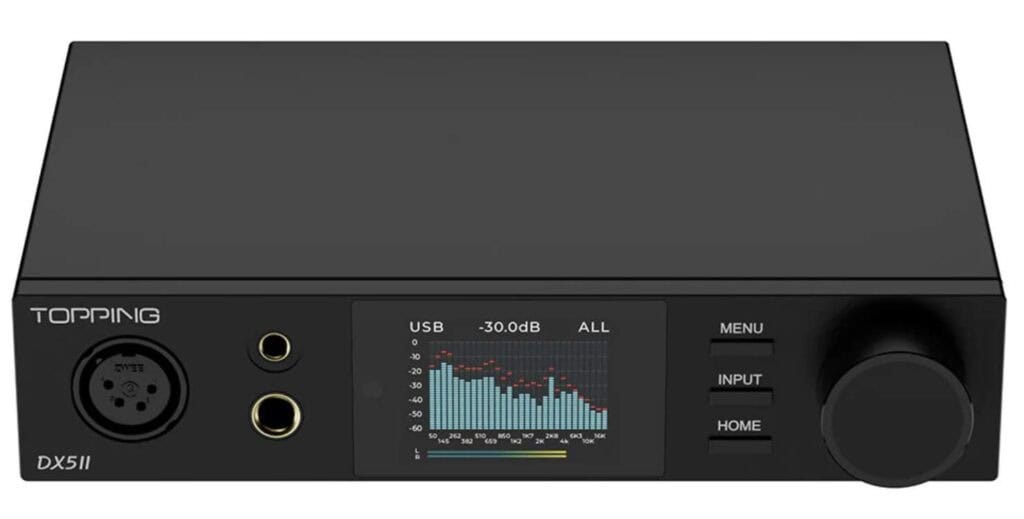
On the front left is a 4-pin XLR headphone output socket. Next to that is a 6.35mm port and 4.4mm balanced Pentaconn port. Thus unit can handle power-hungry headphones and sensitive IEMs. In the centre is a 51mm LCD output screen. To its right are three buttons controlling a Home button, screen Menu and Inputs. To the right is a volume knob plus a user-defined press-in switch.
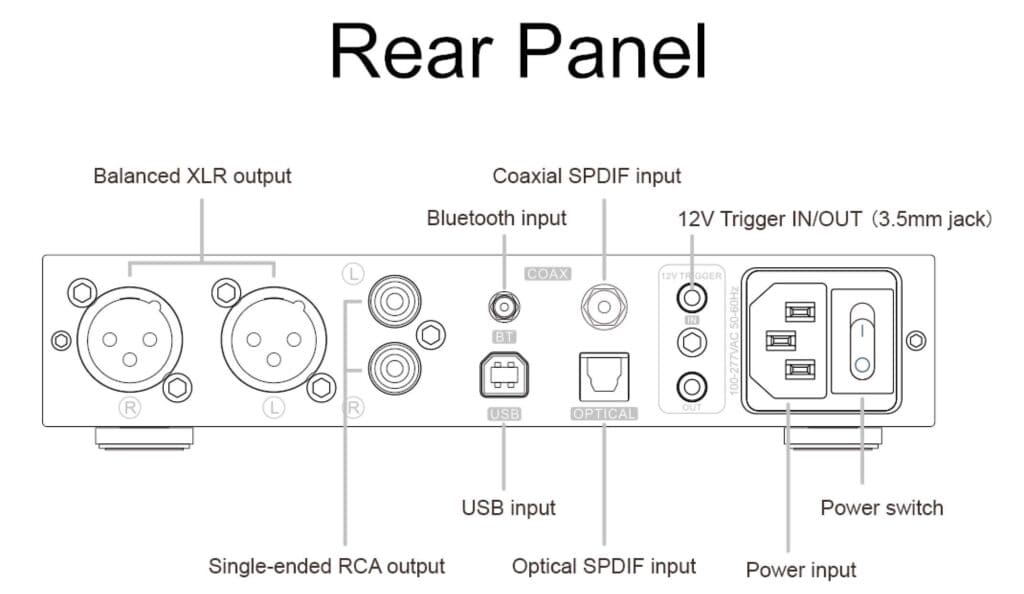
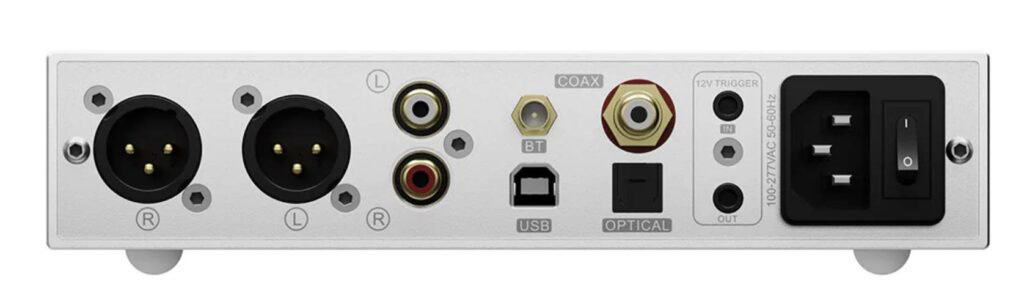
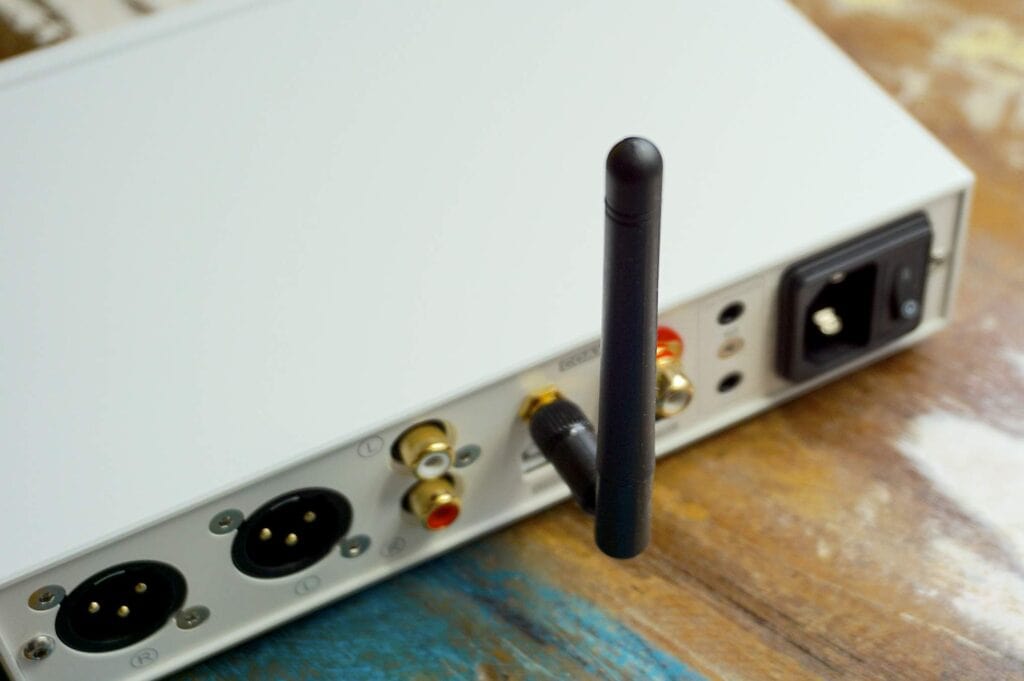
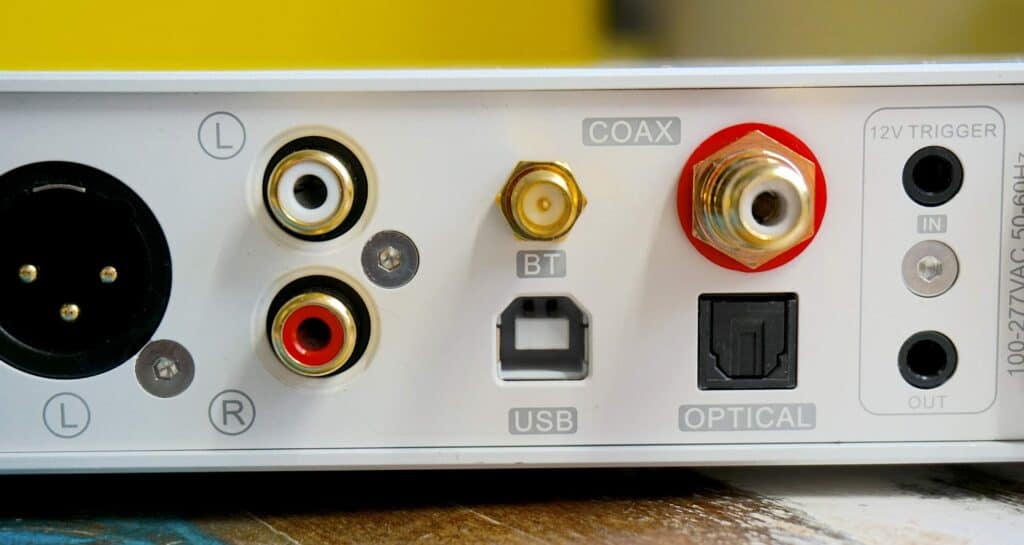
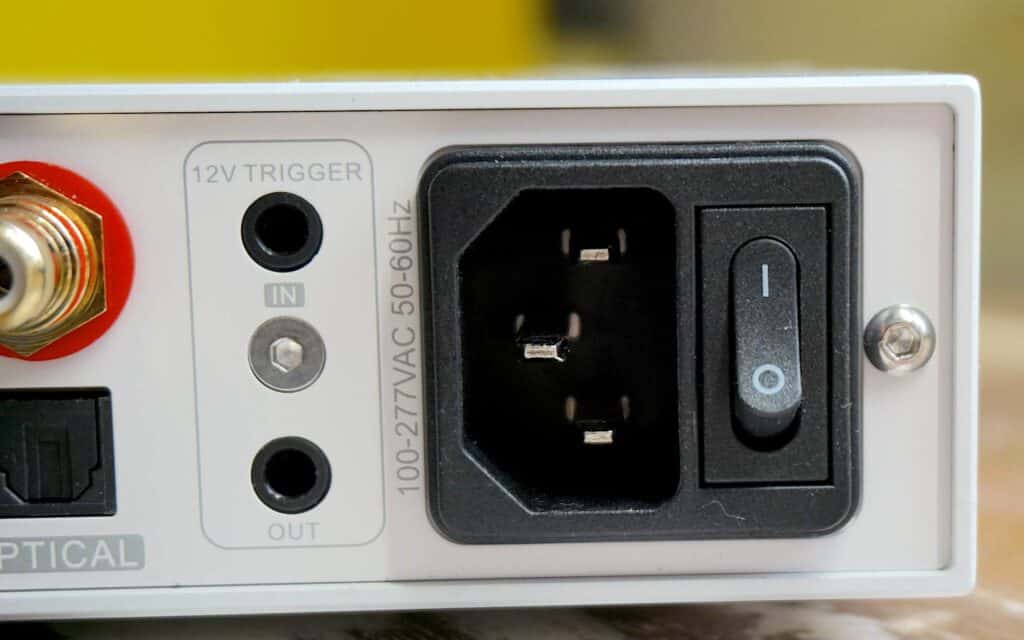
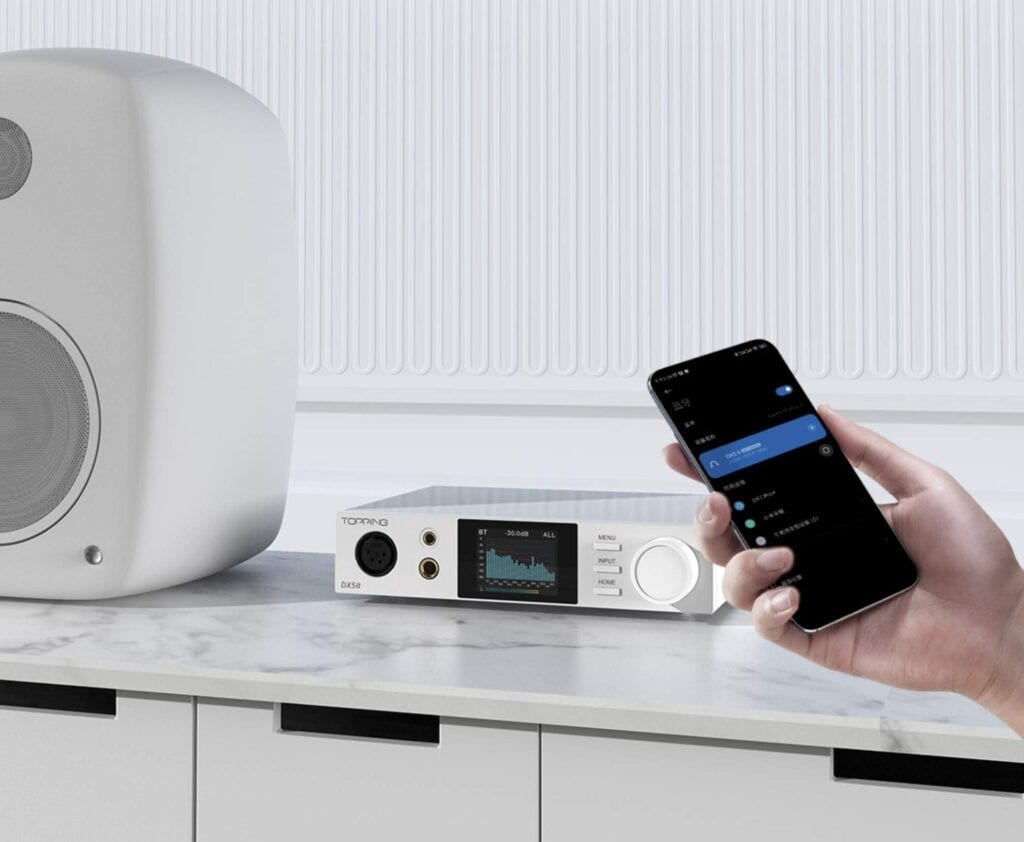
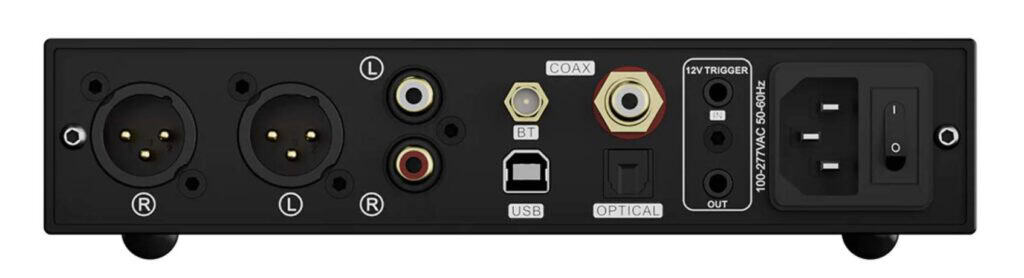
The rear offers balanced and single-ended outputs, Bluetooth aerial port supporting the LDAC codec, and USB input, optical and coax, triggers, plus IEC socket and rocker power switch.
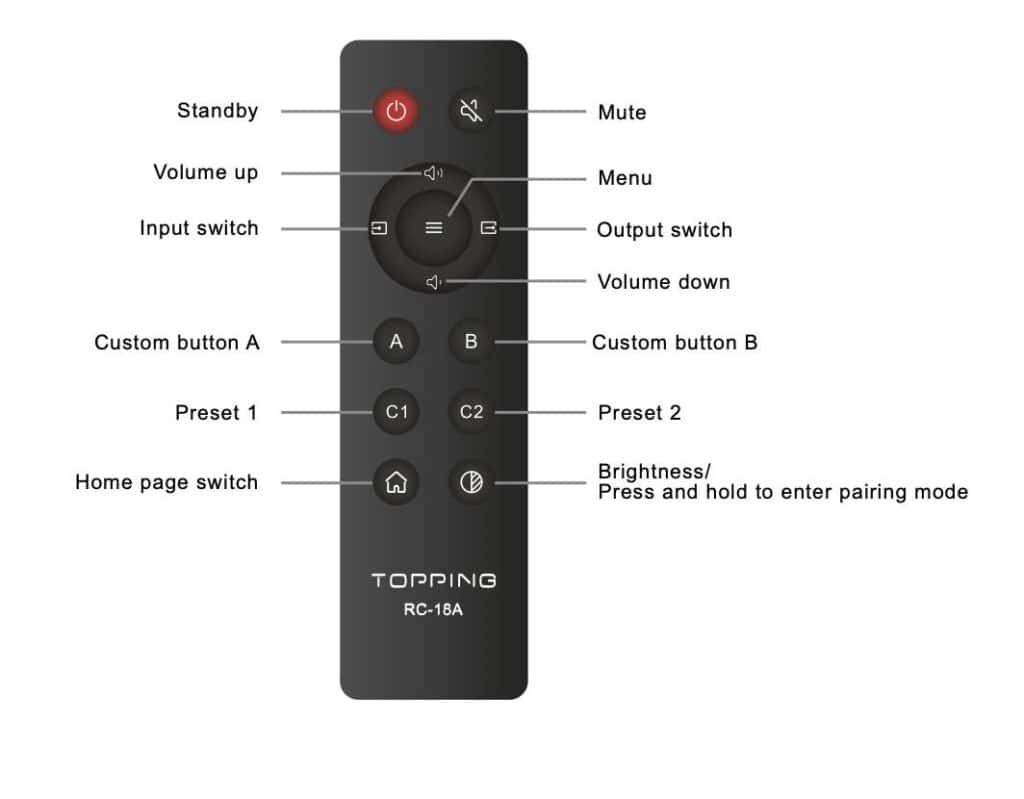
A physical remote is included in the box.
MENUS & FILTERS
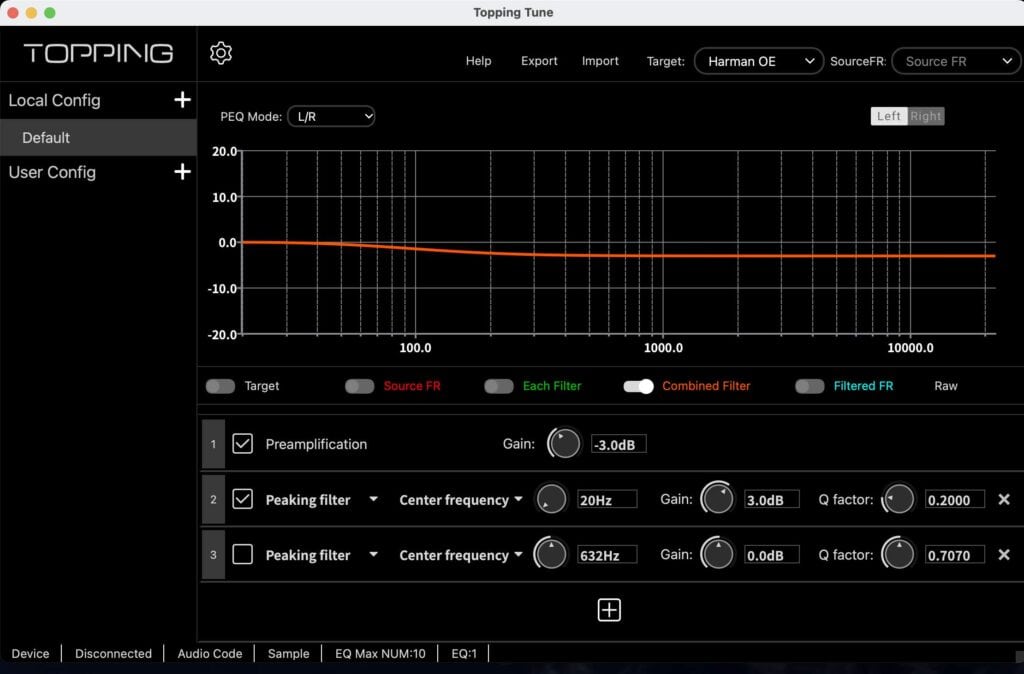
An internal menu displayed on the LCD screen offers the an array of options such as screen brightness, automatic or manual input select, channel balance, volume step distance and a whole lot more. There’s a list of internal DAC filters which we will talk about in a moment and space for the Topping Tune software that allows you to play with the 10-band parametric EQ to allow granular control over the frequency response and tweak to match your headphone’s specs. This EQ software can be played with on a Mac or PC, the resultant curve can then be transferred to the DAC when you’re ready and saved for later use.
Inside are two ESS Technology ES9039Q2M DAC chips pushing resolution up to 32bit/768kHz PCM and DSD512. Available in black and silver, I reviewed the third, white version. This box feels solid and well built.
SOUND QUALITY
Let’s begin in the listening room. I connected the DX5 II to my Audiolab 6000CDT via the coax port and played Frank Black and the Catholics’ high-energy, self-titled album on CD.
FILTER SELECTION
The DX5 II arrives with a range of built-in filters, eight in all. To cut a long story, short, I found any filter with the word ‘fast’ in it pushed the sound towards a harder edge around the mids and treble so I avoided those. The three filters with the word ‘slow’ in them were better balanced and neutral.
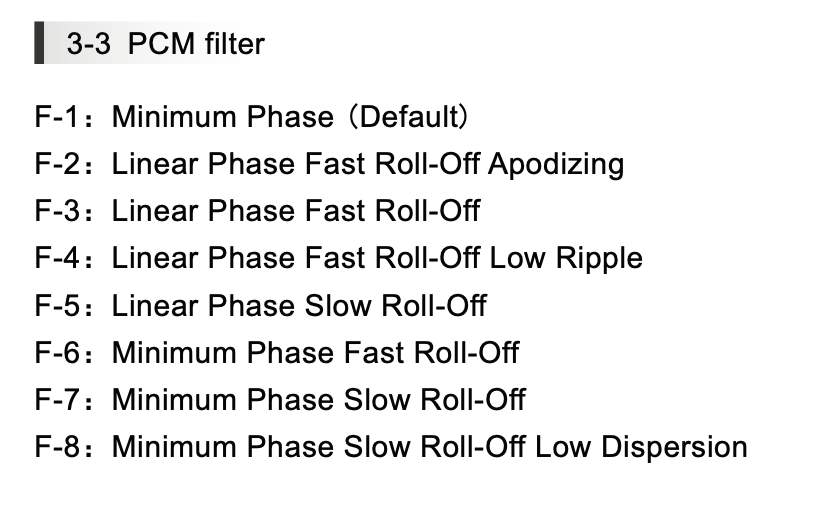
Even so, I found Linear Phase Slow Roll Off to be better balanced than Minimum Phase Slow Roll Off, guitars sounded rather pointed in the upper mids with the latter. Even so, I found the wordily titled Minimum Phase Slow Roll-Off Low Dispersion to be the best of the bunch. Guitars were a little lively but the overall soundstage was more spacious and detail overall, was more incisive. So I stuck with Minimum Phase Slow Roll-Off Low Dispersion for the rest of the review.
BALANCED PLAY
I then moved from single-ended output mode to balanced and listened out for any changes there, using both types of Tellurium Q interconnects for that comparison job. The first difference was the volume which shot up via the balanced output cables, so down went the gain by several clicks.
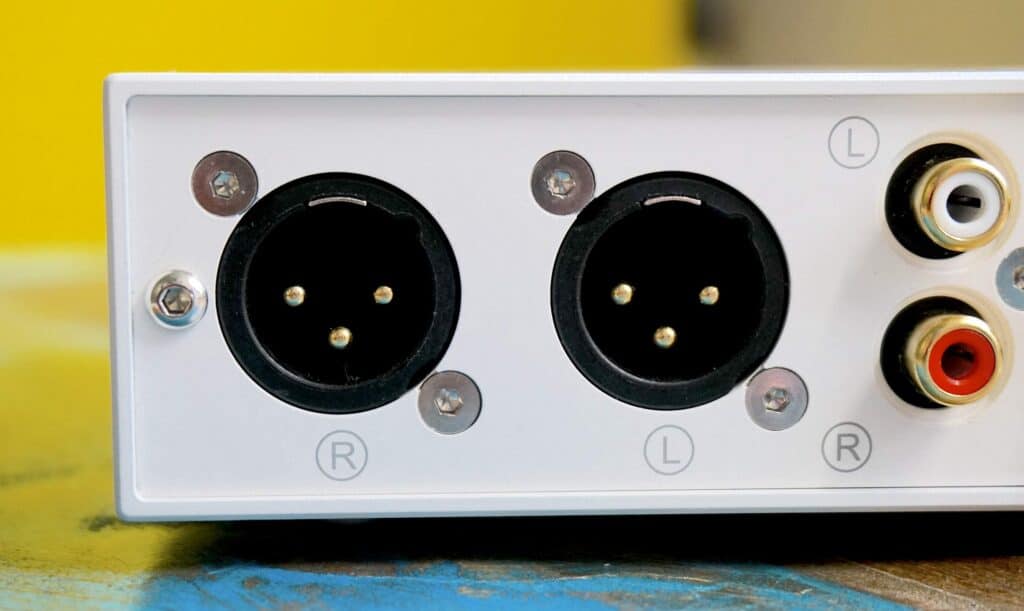
Also? Up went the sound quality. Quite dramatically too. It was better balanced as you might <cough> expect. The soundstage was wider, fuller, mids were much smoother, vocals were better integrated, losing a slight edge during crescendos. Bass was bigger, meatier now. All of this low noise output meant that more subtle sounds like the ride cymbal, could be better heard now.
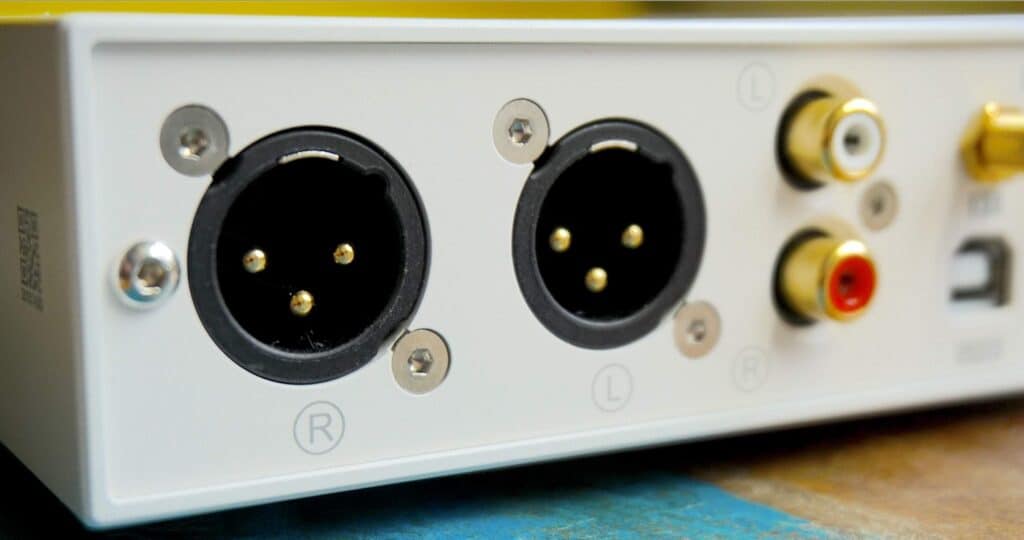
Again, in this HiFi listening room test going forward? I retained balanced play.
BLUETOOTH
Moving to Bluetooth now, I was very pleased to see that the DX5 II supports the LDAC codec. This is one of the best codecs out there, elevating Bluetooth to a serious streaming standard.
Playing Nick Drake’s title track from the Pink Moon album at 24bit/96kHz, I was struck by the neutral presentation from the balanced connections, at how well integrated all the frequencies were on this track and yet how easily the acoustic guitar was tracked and was impressed by the emotion from the vocal. Especially from a Bluetooth connection.
USB
I was similarly impressed with the USB connection to my MacBook laptop, playing, Tom Waits Step Right Up at the same resolution. That sense of neutrality was a real boon, especially when playing from an inherently noisy device like a computer. I would go as far to say that balanced connection via the DX5 II was essential for laptop source play, allowing a heap off information to arrive at the ear.
DAC VS DAC
Before we go walkabout, I quickly compared the DX5 II with the much more expensive Benchmark DAC3 within my reference HiFi. The Benchmark was priced around £3k when launched and, of course, sounded it.
The Topping sounded a little bit claustrophobic around the upper mids, bass was more naturalistic and treble more incisive from the Benchmark. Again, no surprise. What was surprising was how well the DX5 II performed in the face of this superior enemy. The DX5 II retained a heap of detail, offered a dynamic performance and retained much of the energy from the Benchmark. The boy done good, you might say.
HEADPHONE PLAY
Before completing this test, I changed to a living-room, headphone-only setup I recently created. A system I must feature in detail some day. It was created to solve a problem and does so and features, amongst other things that I won’t go into right now, a Leema Elements CD player, Sennheiser D800 headphones, Icon Audio valve head amp and a Topping D90LE DAC.
My idea was to replace the Icon audio head amp and Topping DAC with this single combo, lower-cost DX5 II unit.
Been a long time – 25 or more years? -since I played the CD Isola by the Swedish outfit, Kent on RCA Victor. The track OWC featured vocal, piano, bass, acoustic, electric guitar and drums plus a string section.
Just replacing the reference DAC with the lower-cost DX5 II, there was a slight loss in fullness around the piano, delicacy around percussive taps and some space across the mids but the performance remained excellent. Even so, considering the DAC section in the DX5 II box was much cheaper, the performance was remarkably good.
Dumping the Icon Audio head amp now and using the head amp in the DX5 II instead, I was very impressed with the bass which offered a low-end thump that proved to be an excellent foundation for the song. The enhanced bass added weight to the piano too. Sure, the delicacy and fragility took a hit in the upper frequencies, when compared to the high-end valve head amp but there was enough detail here from the DX5 II cymbals, for example, to provide a useful balance to the overall presentation.
Again, for such a relatively low-cost box? I was surprised and impressed.
AV USE
Finally? I hooked the DX5 II into my office 2-channel AV system.
I currently have a Rega Brio-R plus budget Topping E30, the early, original issue. That was hooked up to a Samsung 4K TV plus Spendor S3/5R standmounts on basic IKEA shelving.
Not exactly an audiophile set up, the test here was this: does spending more on a AV DAC matter? The E30 offers great value for money and works well in my AV set up. The original £107.40 for the E30 produces a great AV performance. Is the DX5 II a worthy upgrade?
I played Blonde’s lossy Heart of Glass via YouTube Music, a fairly typical output from this set up, to find out. And my goodness yes, the improvement was based on raw quality. There were no fireworks here, no glitz or sonic bling. The improvements were based on ground up quality. Bass was tighter and focused, noise was lower, so detail increased. The thing that really hit me was the articulation from the vocals, the precision from the delivery meant I was hearing lyrics I had previously missed because they were always slightly blurred from the E30. Instrumental separation from the DX5 II also meant that more detail was coming through to the ear. The bass guitar line was distinct now, the ride cymbal had space to manoeuvre and more.
CONCLUSION
The Topping DX5 II is packed with features. If you believe that HiFi is about choice and flexibility then look no further than the DX5 II, those features produce tremendous value for money. More than that, these features actually work and contribute successfully to overall sound quality.
And that sound quality is high indeed for the price point. In fact, under £500? This combo DAC/headphone amplifier is hard to beat. I certainly haven’t heard anything to beat it in 2025.
TOPPING DX5II AMP/DAC COMBO
Price: £299
Website: www.electromod.co.uk
GOOD: Feature packed, overall sound quality, balanced output, Bluetooth output, value for money
BAD: nothing
RATING: 9


Good afternoon,
I see that the DX5 11 has a usb input, and I wish to use a iPad with appropriate
lightning lead. Can I do this without any loss of sound quality.
Kind regards,
David