The Article
DT 1770 & 1990 PRO MKIIs FROM BEYER DYNAMIC
18th December 2025
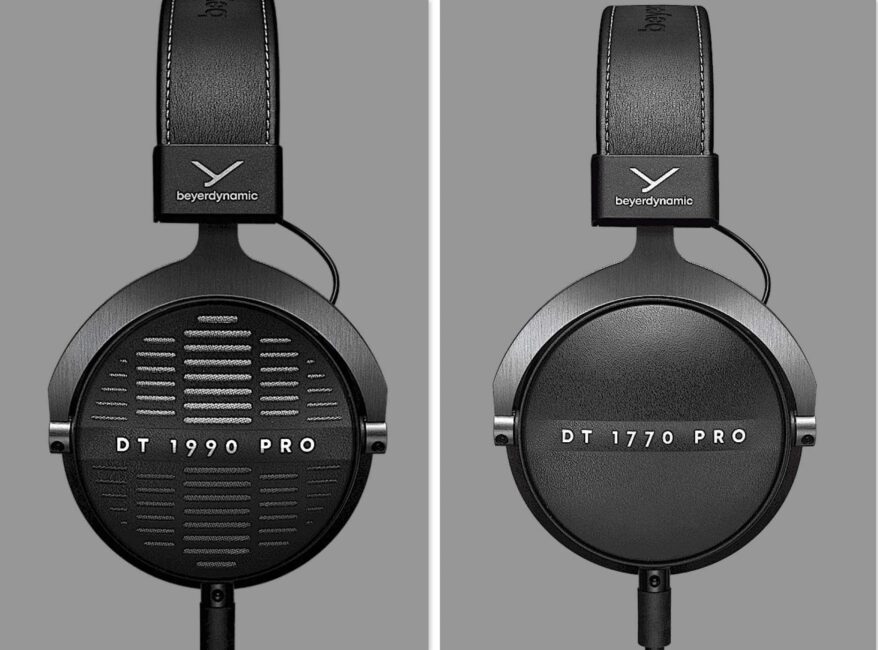
Is it possible for headphones, designed to work in a studio environment, to perform well in a home HiFi step? Paul Rigby found out
I have always wanted to do this review but either kept putting it off because I felt like I was being self indulgent or the right hardware was just not available. Which is why I wanted to thank Beyer Dynamic for making this review possible and to apologise to the same company for the late running of this test.
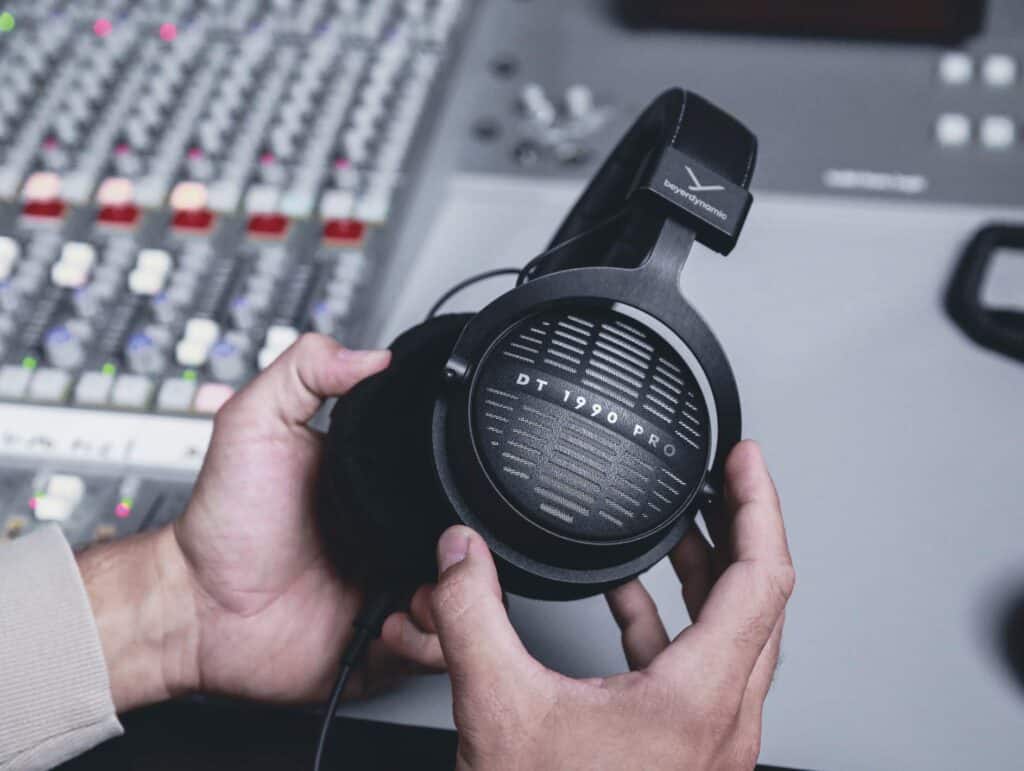
You could say that this review is a bit of a sonic education.
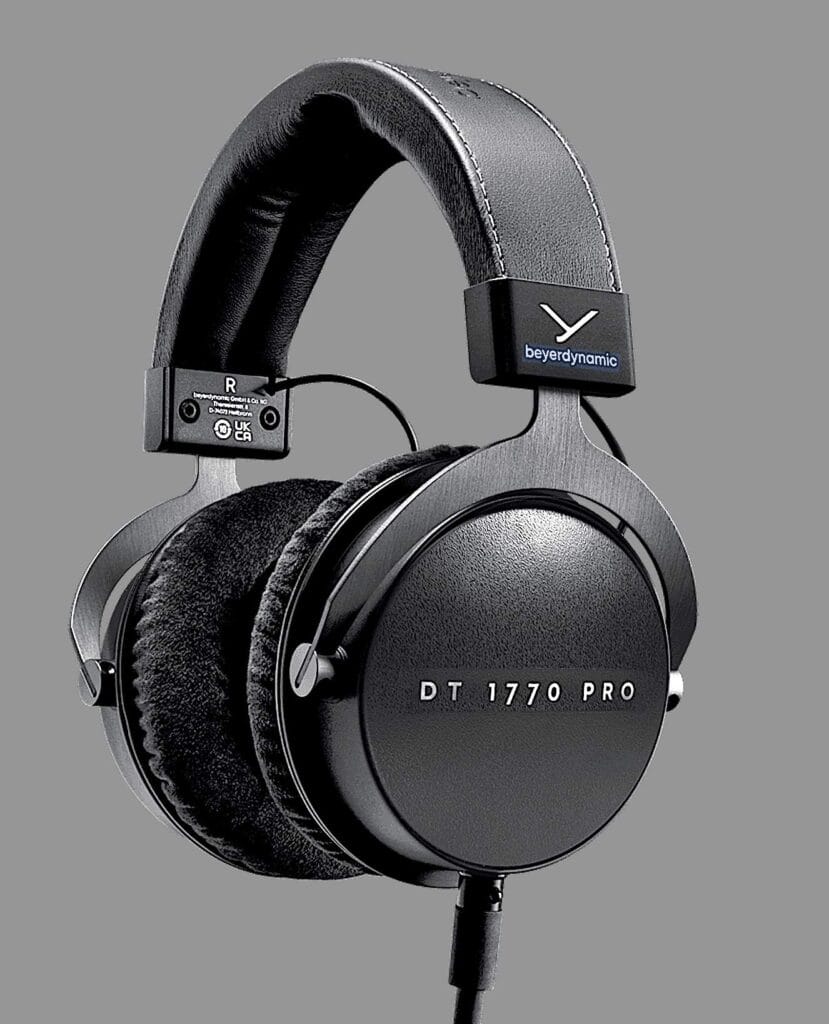
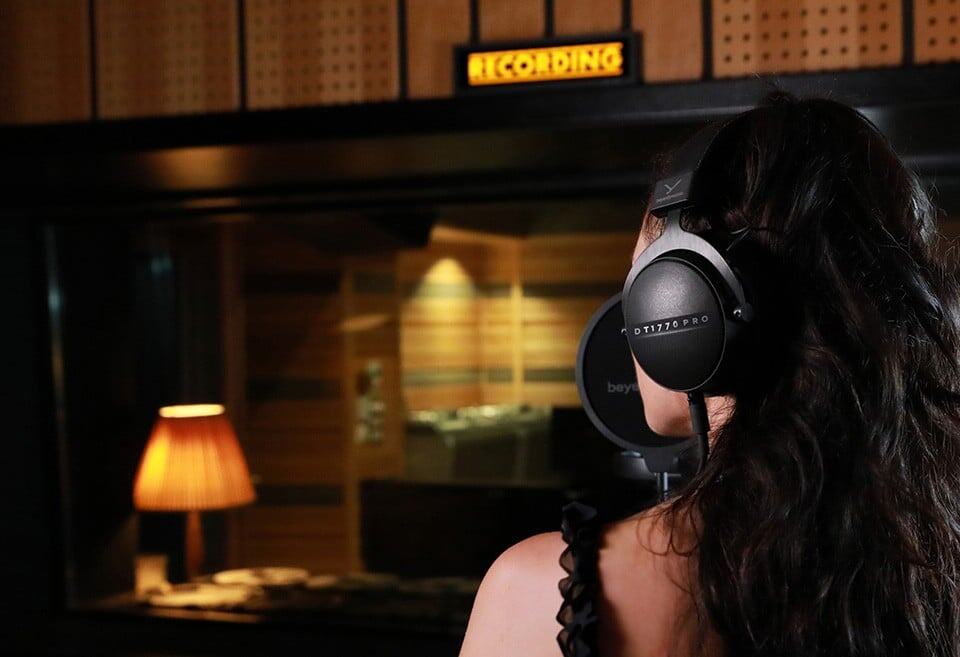
The question is this: can headphones, designed as a studio tool, perform well in a home HiFi step? Should you, as a home HiFi user, even bother considering Pro-level headphones?
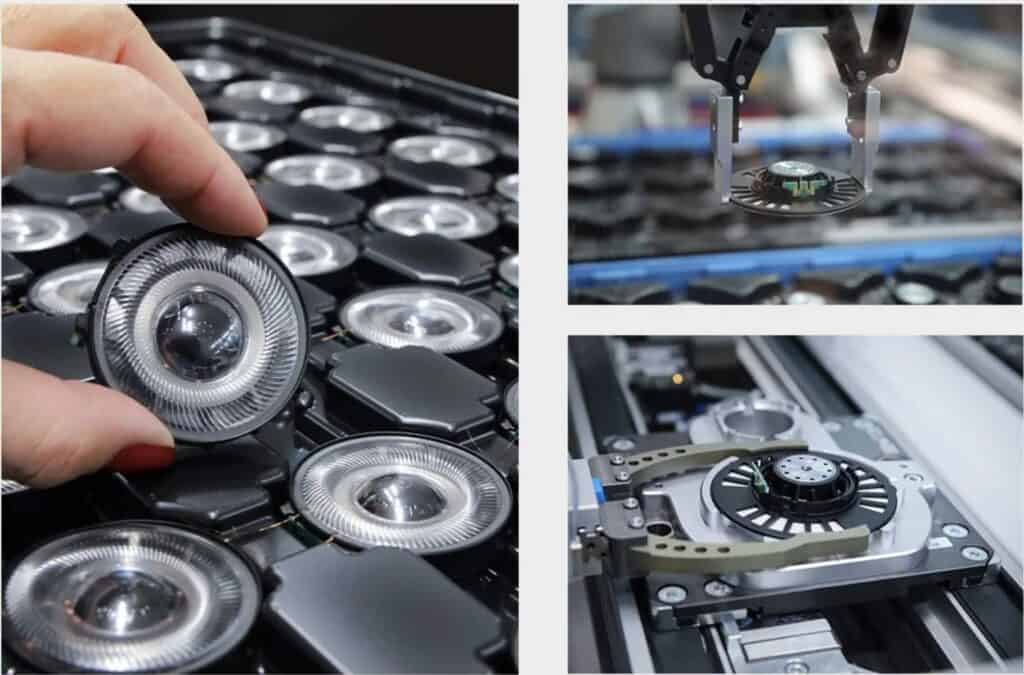
I grabbed two contrasting models from the same range from Germany’s Beyer Dynamic, to find out. Both models use the company’s own TESLA.45 driver, designed to reduce distortion and including PEEK polymer and a voice coil made of aluminium-coated copper wire.
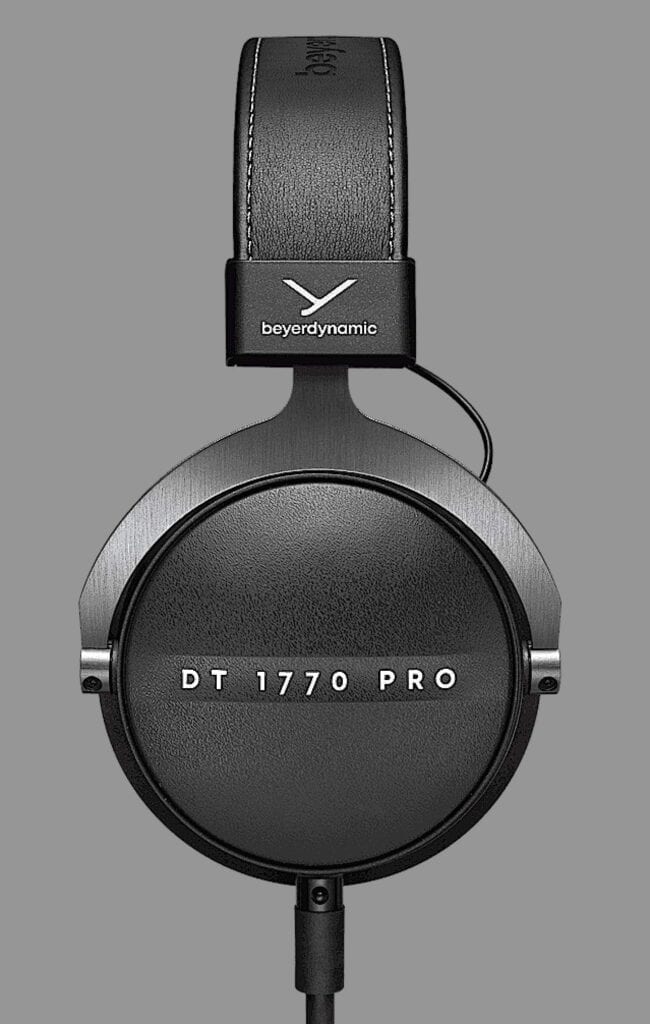
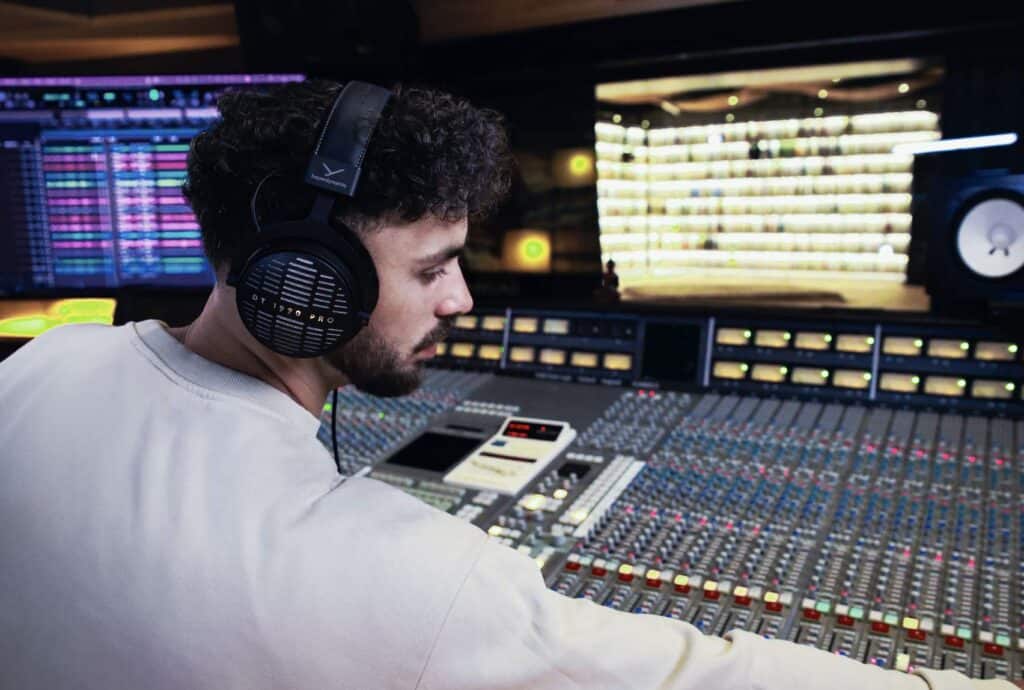
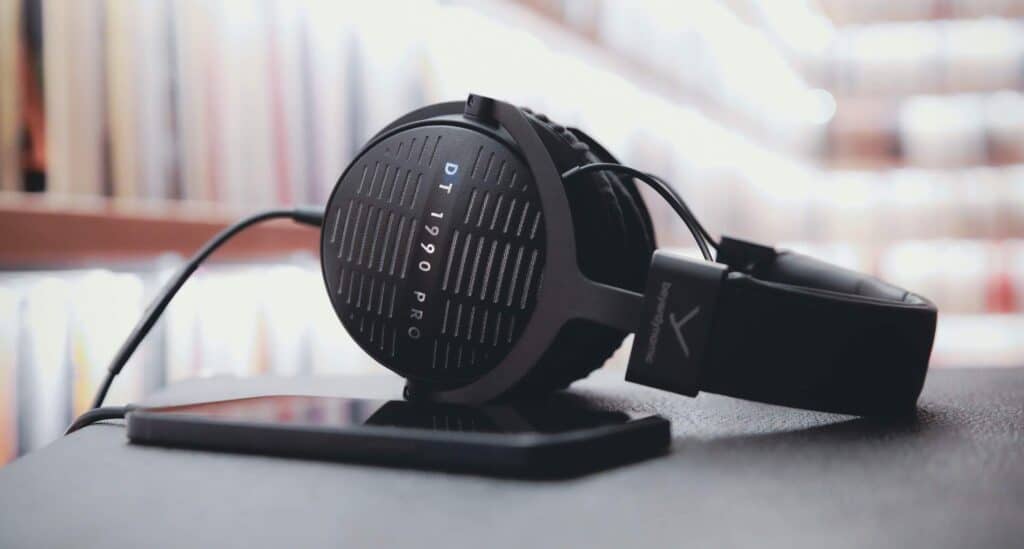
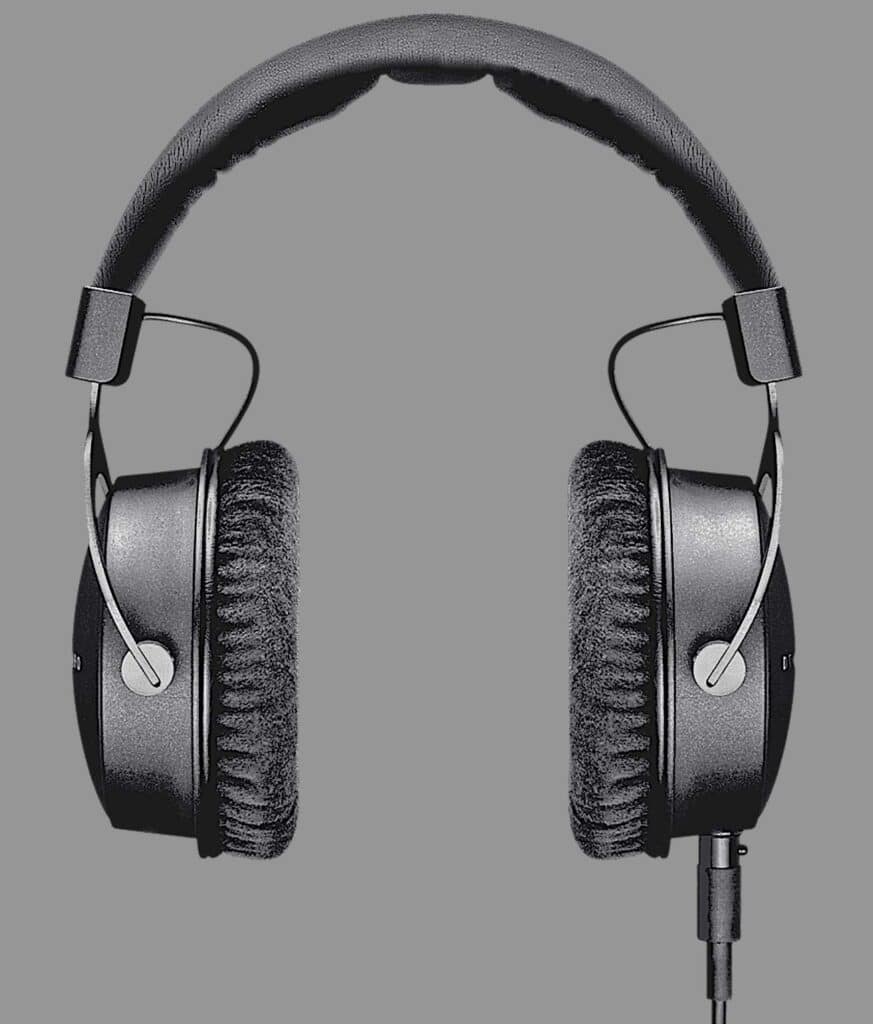
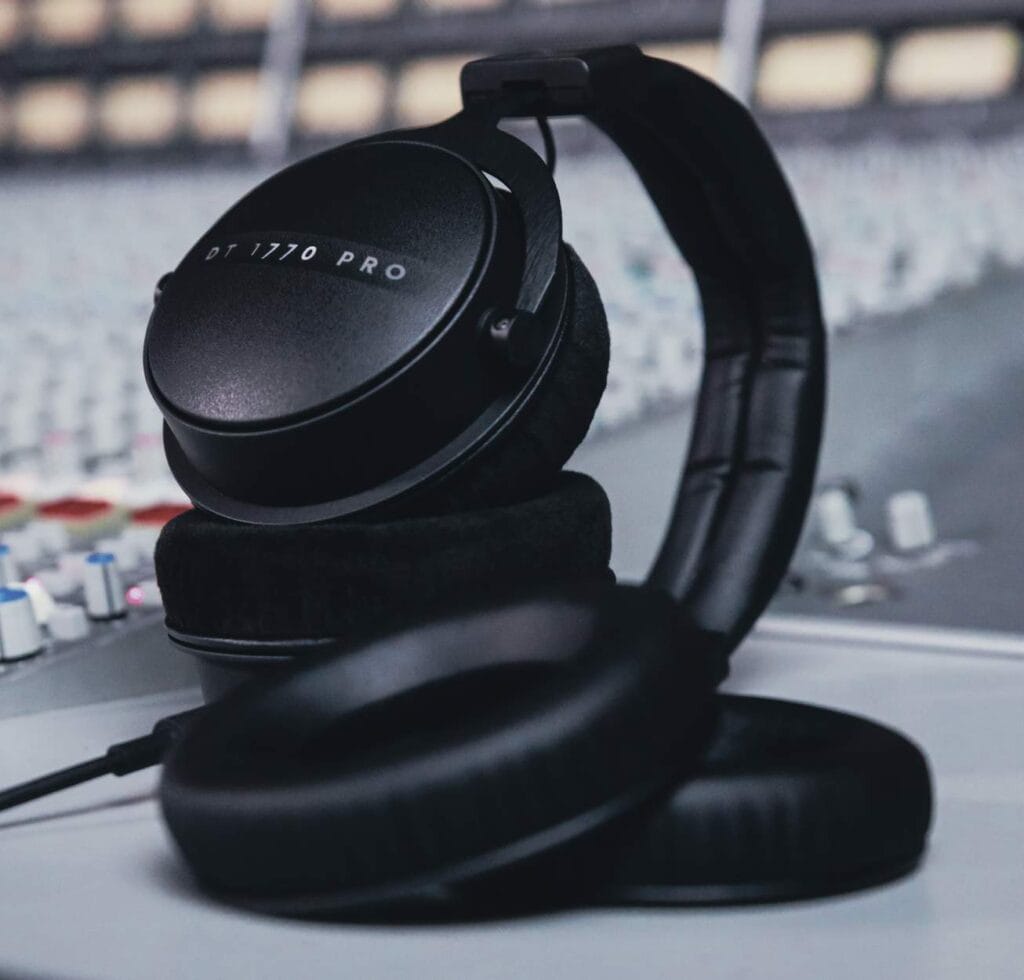
I looked at the closed-backed DT 1770 PRO MKII and the open-backed DT 1990 PRO MKII.
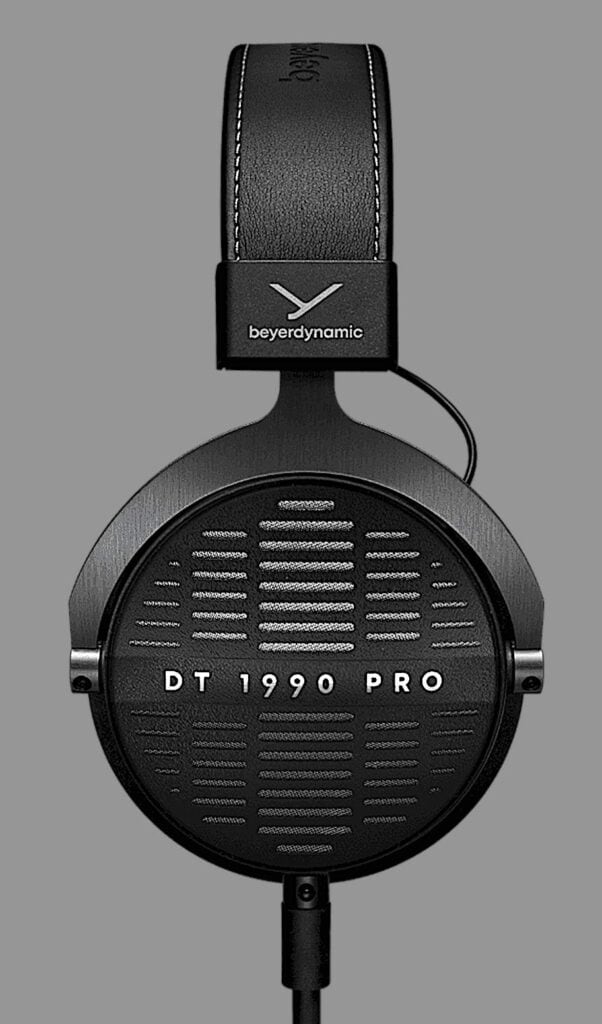
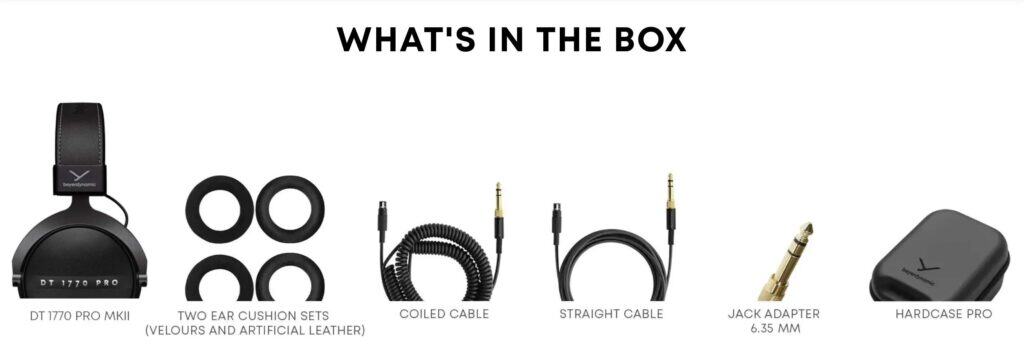
Both feature flexible spring steel headbands, adding memory foam and leatherette. Earpads are also replaceable. The DT 1770 PRO MKII is equipped with leatherette and velour earpads. The DT 1990 PRO MKII comes with two different types of velour earpads. One is a so-called Producing Velour that delivers a fuller sound with a slight bass boost. The other is a so-called Mixing & Mastering Velour which offers a more analytical sound.
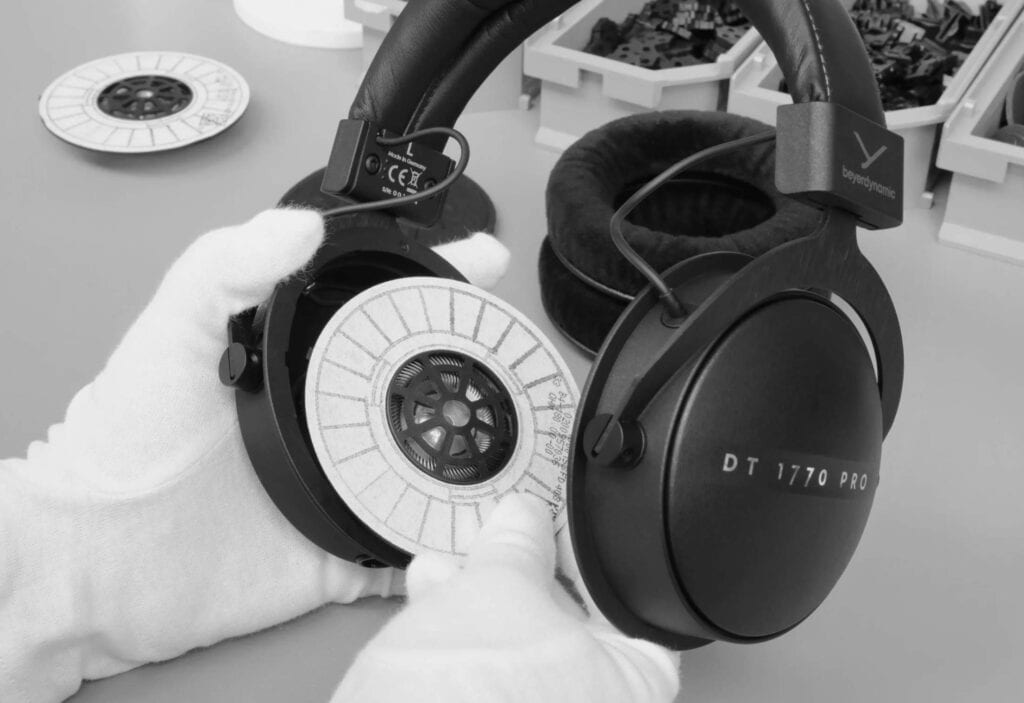
Both arrive with a 3m detachable cable and a 5m spiral cable, each equipped with a lockable 3-pin mini-XLR connector on the headphone side and a full-size 6.35mm, single-ended termination on the other end.
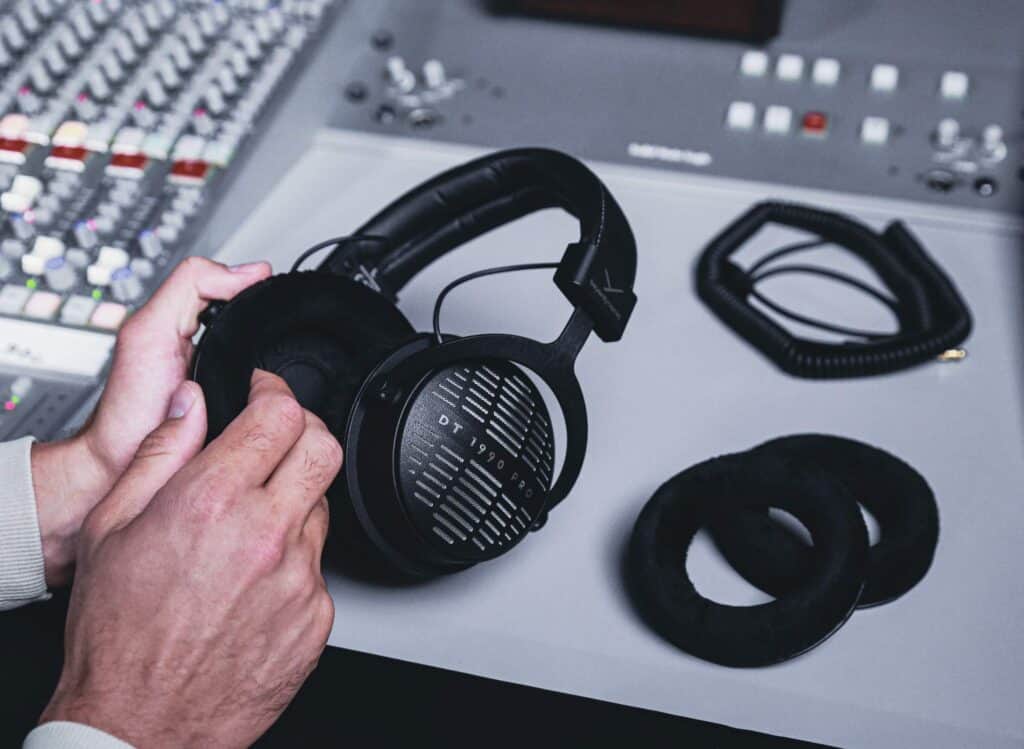
Both headphones also come with a dedicated hard case. USB-C cables are available separately but I wasn’t able to test those.
SOUND QUALITY
I began with the Cocteau Twins and the EP, Twinlights an acoustic presentation and the track Rilkean Heart featuring a high-register lead vocal, backing vocal, piano, bass and acoustic guitar.
VS SENNHEISER 620S
I also began with the 1770 Pro and compared that to the lower-cost Sennheiser 620S headphones (£229) also of a closed-back design. I found the 1770 Pro headphones easier to drive as the volume increased when connected so down went the gain on my headphone amplifier.
During play, I noted an accentuated upper midrange output and rather peaky treble from the Beyer Dynamics. Although not for those looking for balanced play or a neutral output, the 1770 Pro headphones did extract a heap of detail from the rear of the mix. For those who enjoy more emphasis to the upper frequencies, that could prove useful. Bass – even during this acoustic setting – was strong, with a weight and foundation to the performance that was attractive indeed.
Switching from the closed-backed 1770 Pros to the open-backed 1990 Pro headphones, I found that the 1990 Pro designs provided a more expansive and spacious midrange. Even easier to drive than the 1770 Pro headphones, the 1990 Pro headphones also had a slight edge to the mids and treble that could be easily picked up during vocal crescendos but that accentuation was much reduced when compared to the 1770 Pros.
That open and spacious presentation was superior to the 620S designs, although the latter offered a more balanced overall performance.
VS SENDY AIVA
Moving to the similarly priced Sendy Aiva headphones (£650), which were slightly harder to drive than either of the Beyer Dynamic models, I did find the Aiva designs better balanced but also provided a more layered soundstage with a distinctly 3D construction. Compare that to the rather flat canvas soundstage from both Beyer Dynamic designs, both lacking the same measure of midrange insight present on the Aivas.
Both Beyer Dynamic headphones did create a better sense of bass structure and power, though, especially the closed-backed 1770 Pro designs.
VS GRADO 950
I then moved to vinyl and the 90s indie band, Chewy on the Fierce Panda label and the high-energy outing, All Over the Place. Just for a laugh, I compared the Beyer Dynamics to another design that accentuates both the mids and treble, the Grado 950 (£2,495). Although the price for the latter was that much higher, of course.

I found that the 1770 Pro headphones, while not attaining the same dynamic reach, did offer a better lower bass extension, the close-backed nature of the designs helping on that score, no doubt. Sure, the Grados provided an improved sense of upper midrange detail and treble information but the 1770 Pro designs were not as edgy in upper frequency terms. Mids were not as hard from the 1770 Pros while the treble was not as pinched as those found on the Grados.
The 1990 Pro designs offered the best balanced output of the three models on this particular test, allowing both the vocals, percussion and electric guitars a room to manoeuvre. Inserting space in between each thus allowing the ear to pick up more information and detail.
CONCLUSION
The point of this dual review was to see if a pair of contrasting studio headphones could fit easily into a home listening environment or do these studio tools better suit that Pro-only set up.
I would say that latter, based on the evidence here. These Beyer Dynamic Pro headphones are ideal studio tools to help recognise: vocal problems, sibilance, instrument bleed, compression artefacts and harsh resonance, the Beyer Dynamic headphone pairing here will work wonderfully in that sonic office. They are not, at least in my own case, suited for short or long term, home HiFi listening enjoyment. They are more of a business tool than a method of relaxing with your favourite music.
Saying that, if your ears love a more accentuated suite of upper frequencies, want to hear every single drop of detail in any mix and prefer an edgy overall performance then I heartily recommend both of these Beyer Dynamic models.
BEYER DYNAMIC 1770 PRO MK.II & 1990 PRO MK.II HEADPHONES
Beyer Dynamic 1770 Pro
GOOD: detail, bass power, midrange information, solid build
BAD: edgy mids, pinched treble, Studio only
RATING: 7
Beyer Dynamic 1990 Pro
GOOD: open mids, spacious soundstage, comfort, detail, solid build
BAD: edgy mids, pinched treble, Studio only