
The Article
QUESTYLE M18iMAX & SIGMA PRO REVIEW (TEXT & VIDEO)
3rd August 2026
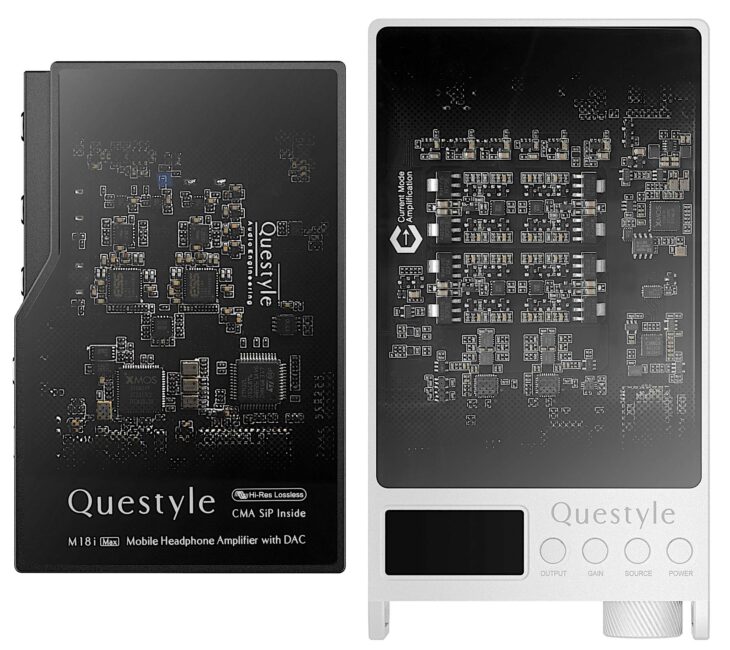
Two DACs complete with headphone amplifiers of contrasting features and prices. Paul Rigby plugs in
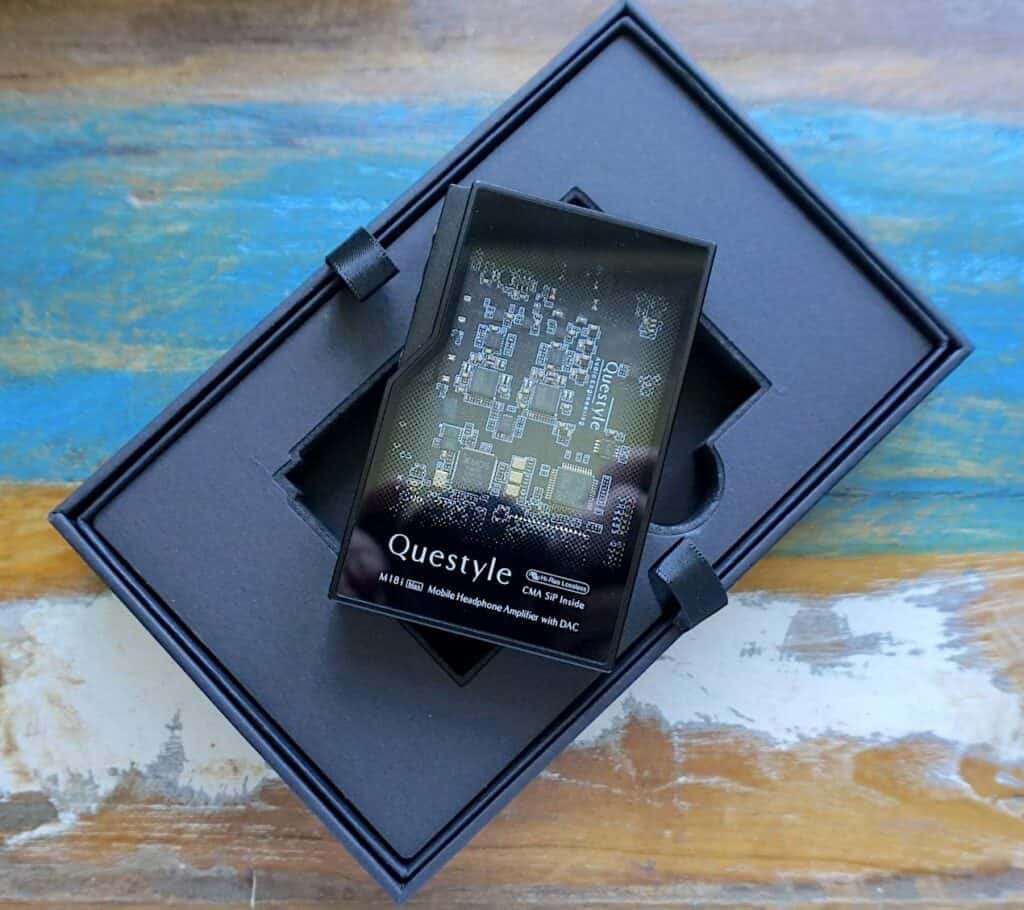
I’m looking at two Questyle DAC/headphone amplifiers. The tiny M18i Max, spanning 86 × 55 × 15mm and weighing 100g is priced around $349. In the UK you can find it for around £299 but shop around because prices do vary.
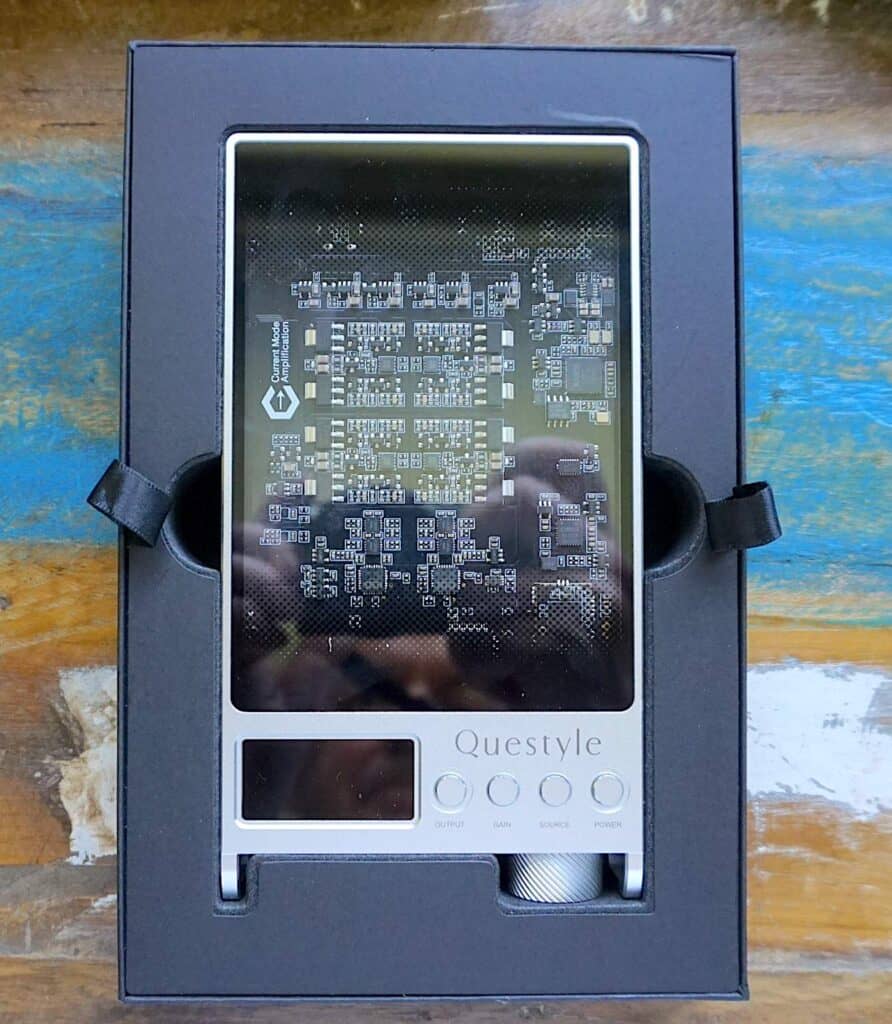
The larger Sigma Pro, spanning 156 × 85 x 25mm and weighing 331g is priced around $899. In the UK, prices can reach £899 but I have been seen down to £749. So again, shop around.
Be aware, both of these boxes are dumb DACs and headphone amplifiers. They are not all-in-one digital audio players. Hence, you will need a source for each to hear music.
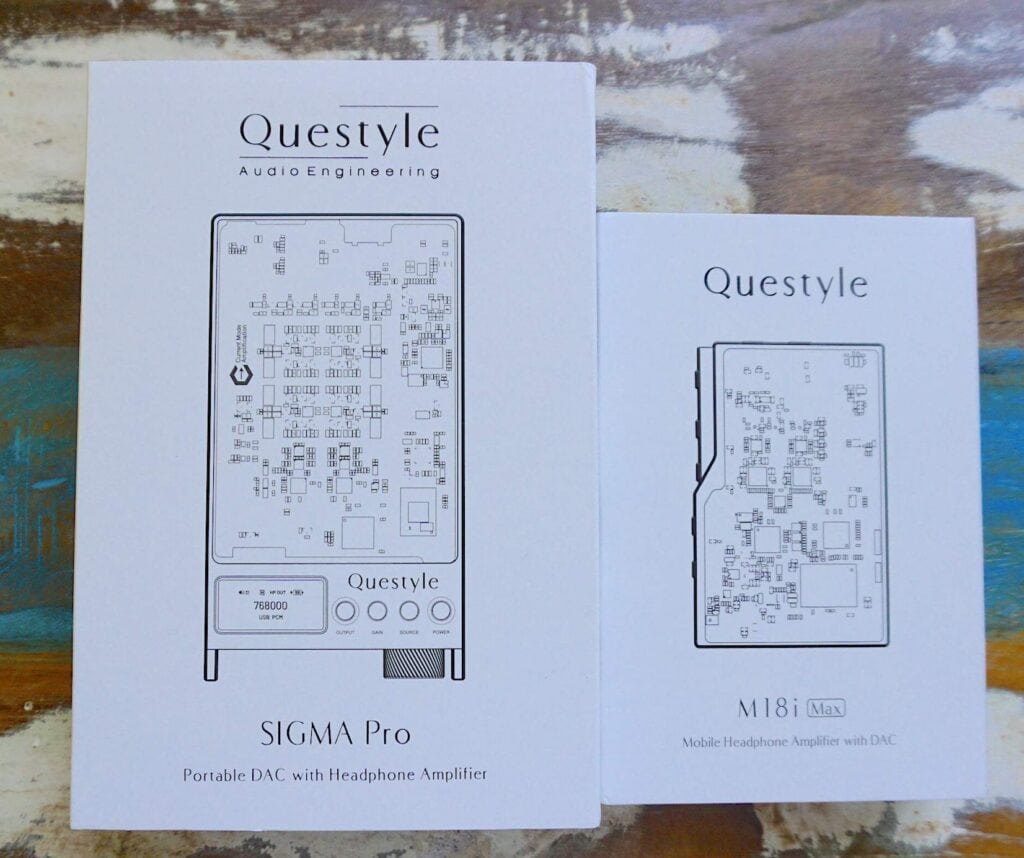
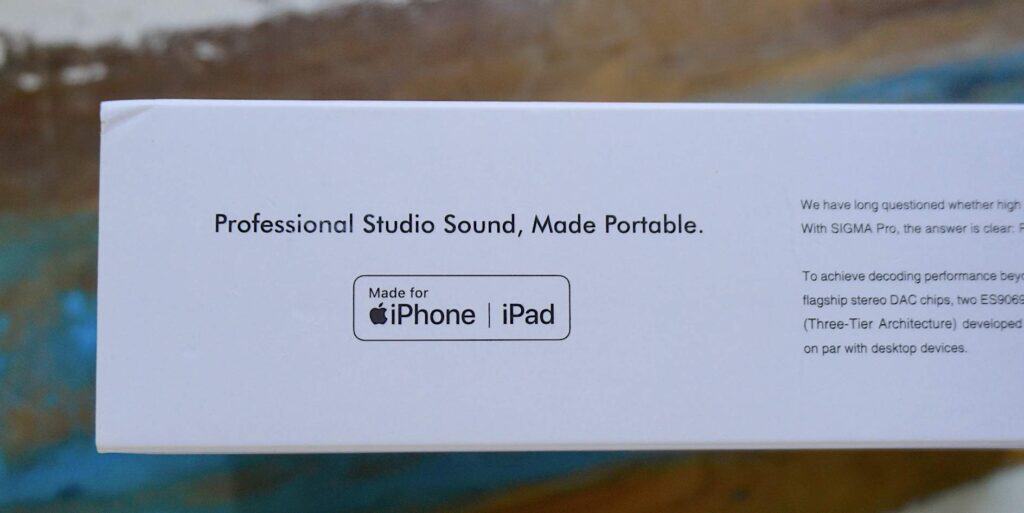
Both product boxes declare that they are ideal for use with both Apple’s iPhones and iPads and I will test these units with both but other sources can be used too.
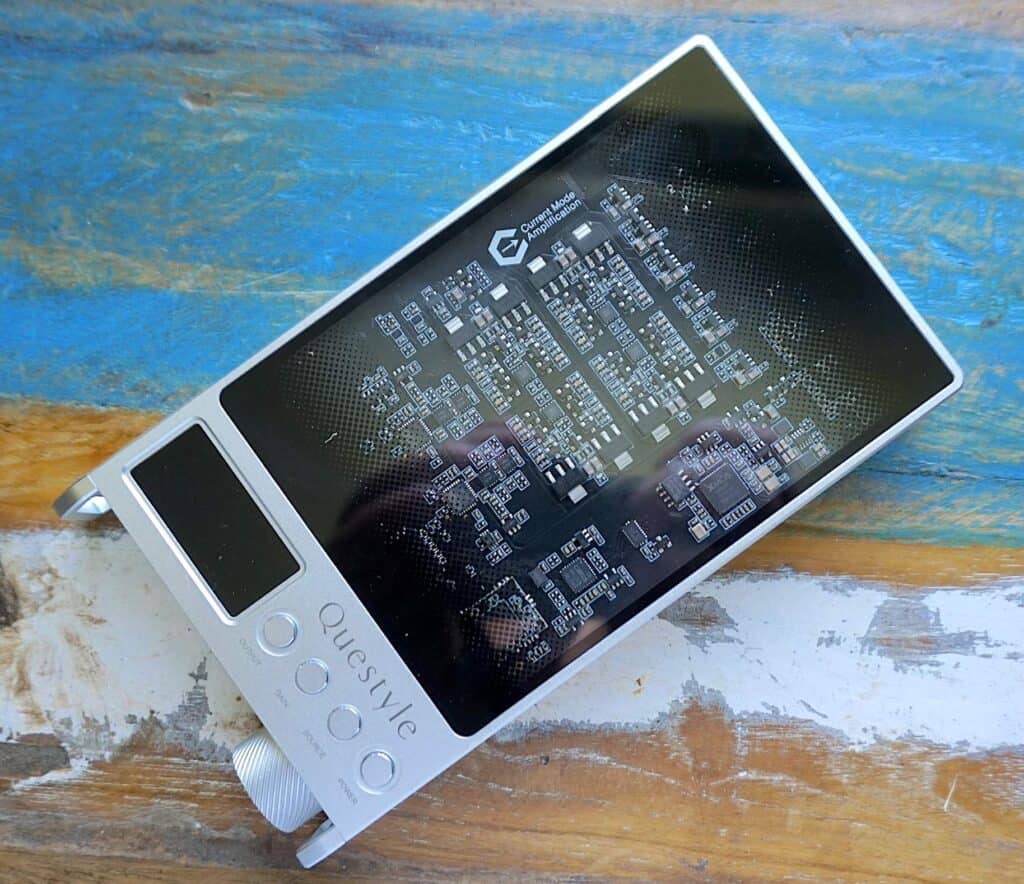
Both boxes are solid designs and, for an aesthetic flourish, both feature a window onto the guts of the devices. Internal circuit boards are on full show here.
TOUCH ON TECH
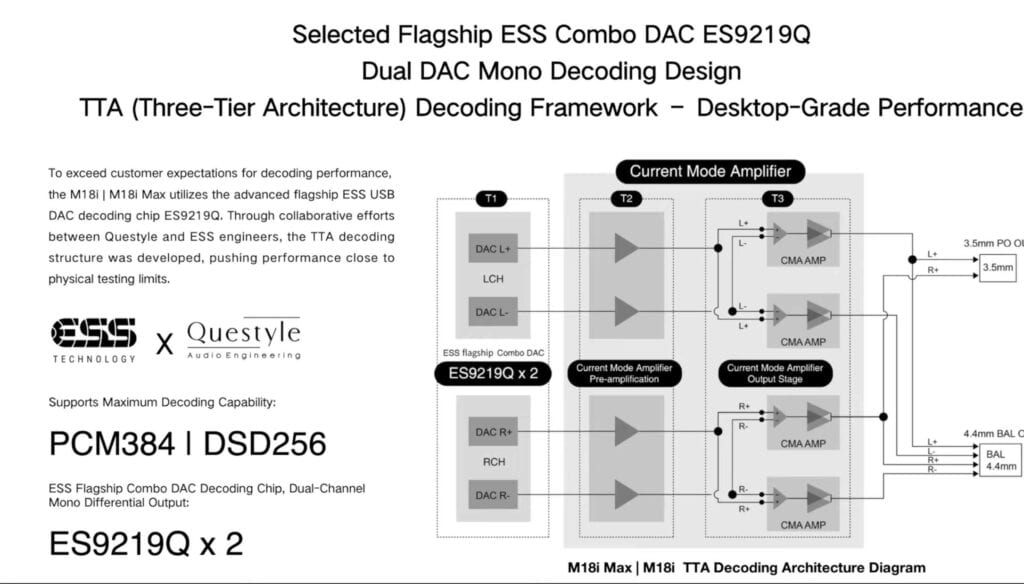
The M18i Max digital audio player uses a Dual ESS ES9219Q DAC architecture with Questyle TTA (Three-Tier Architecture) decoding plus four groups of patented Current Mode amplification for low-noise performance.
Bluetooth standard, Snapdragon Sound is used with aptX Adaptive, aptX HD, LDAC, and LE Audio support. Although your headphones or ear phones will also require the same standard to work.
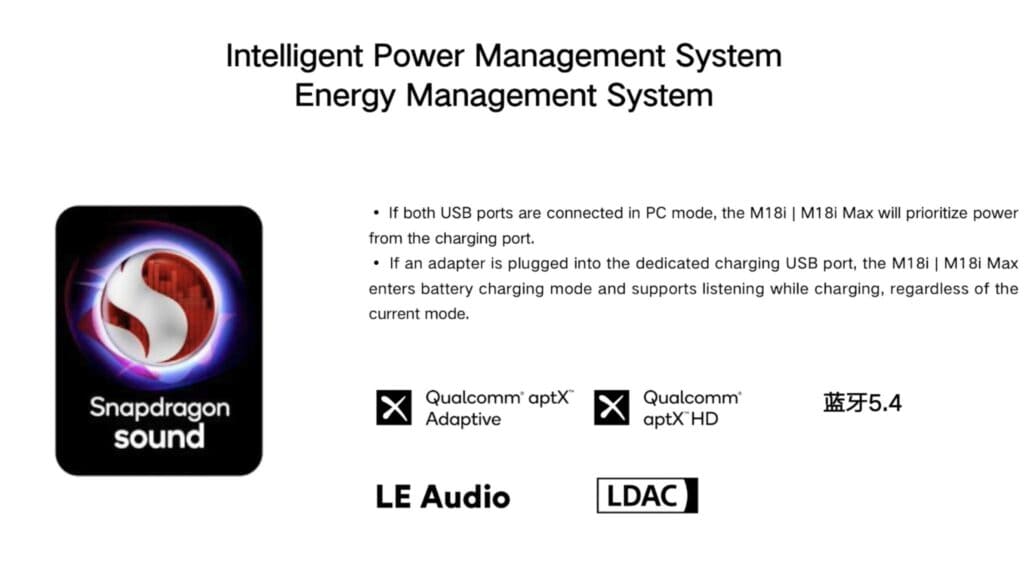
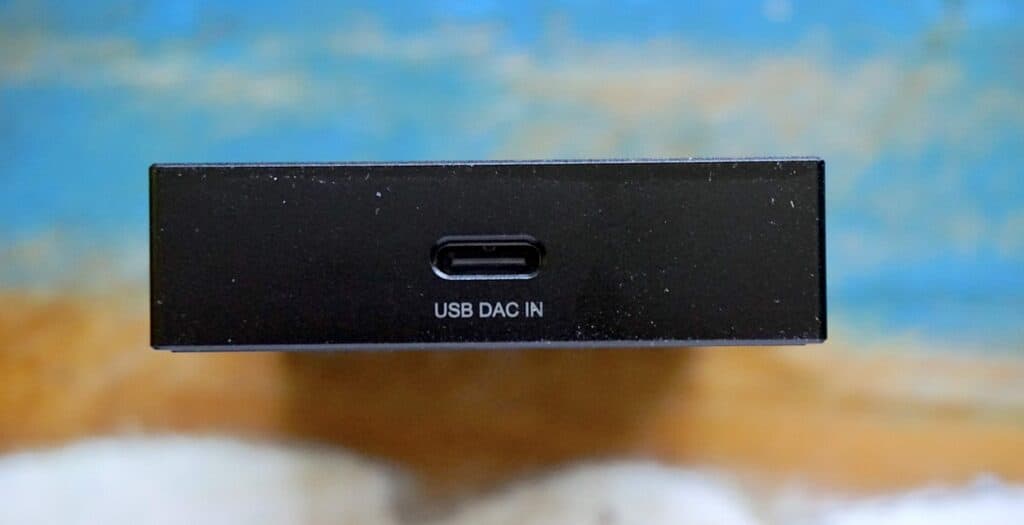
Otherwise, you also get Bluetooth 5.4 and USB DAC dual-mode operation.
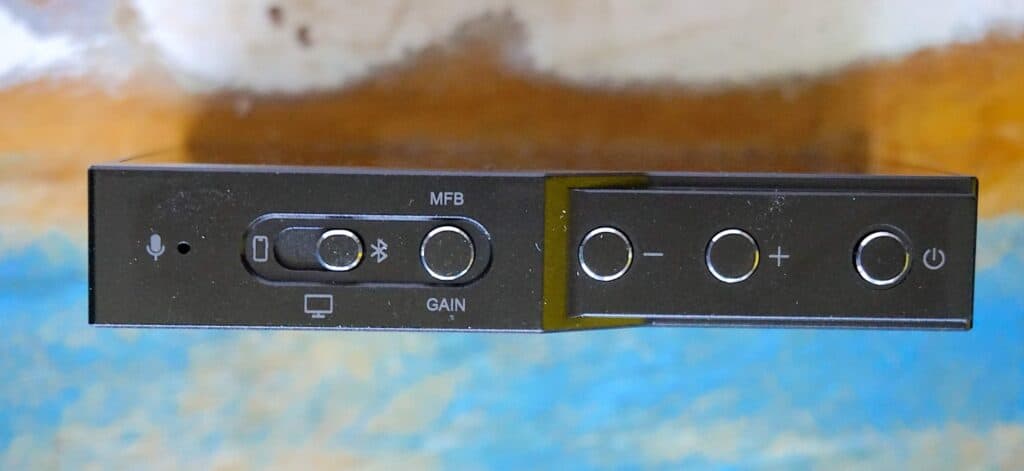
Both 3.5mm single-ended and 4.4mm balanced outputs are included with manual gain adjustment. Battery should last around 12 hours.
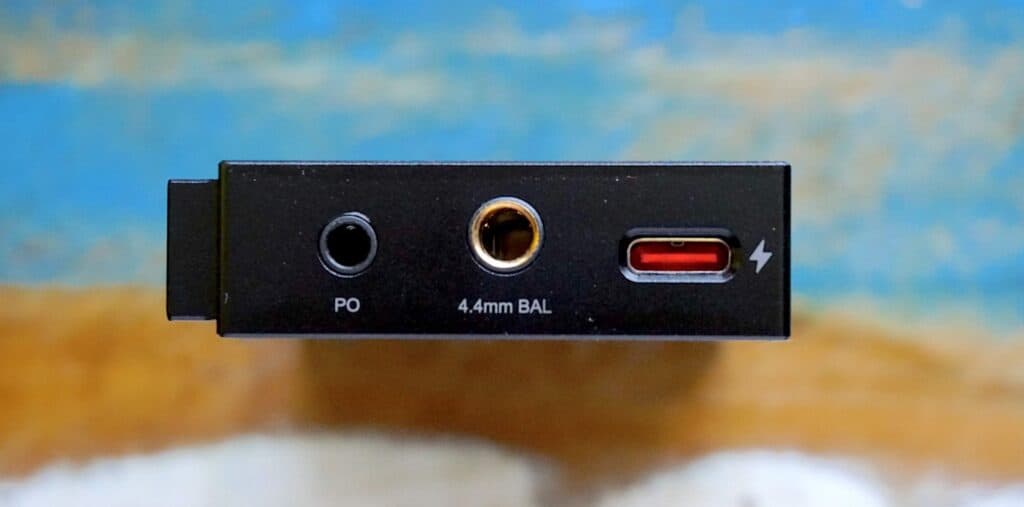
On the front is a small OLED display, to the rear is a CNC anodised aluminium chassis.
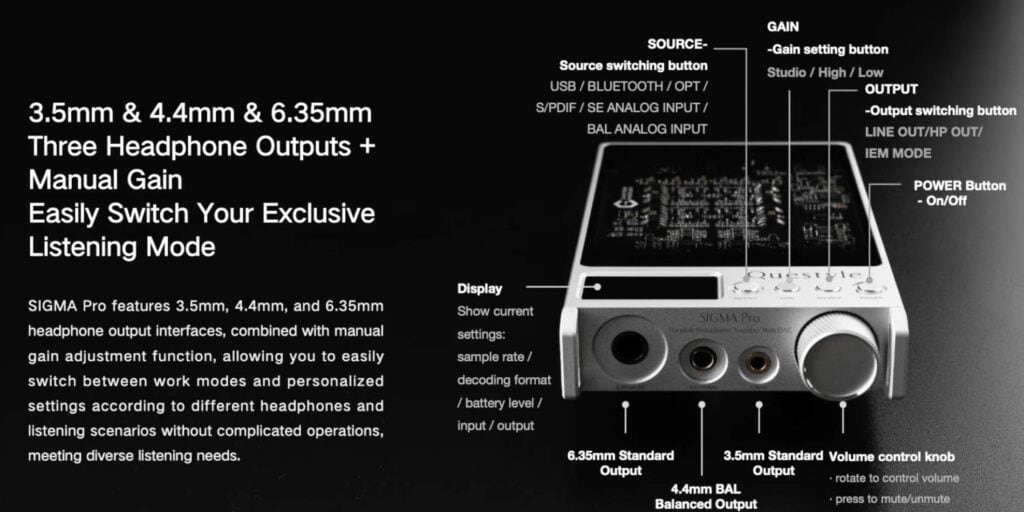
The larger and more expensive Sigma Pro – a flagship device – is built with dual ESS ES9069 DACs and Questyle’s own Current-Mode Amplifier.
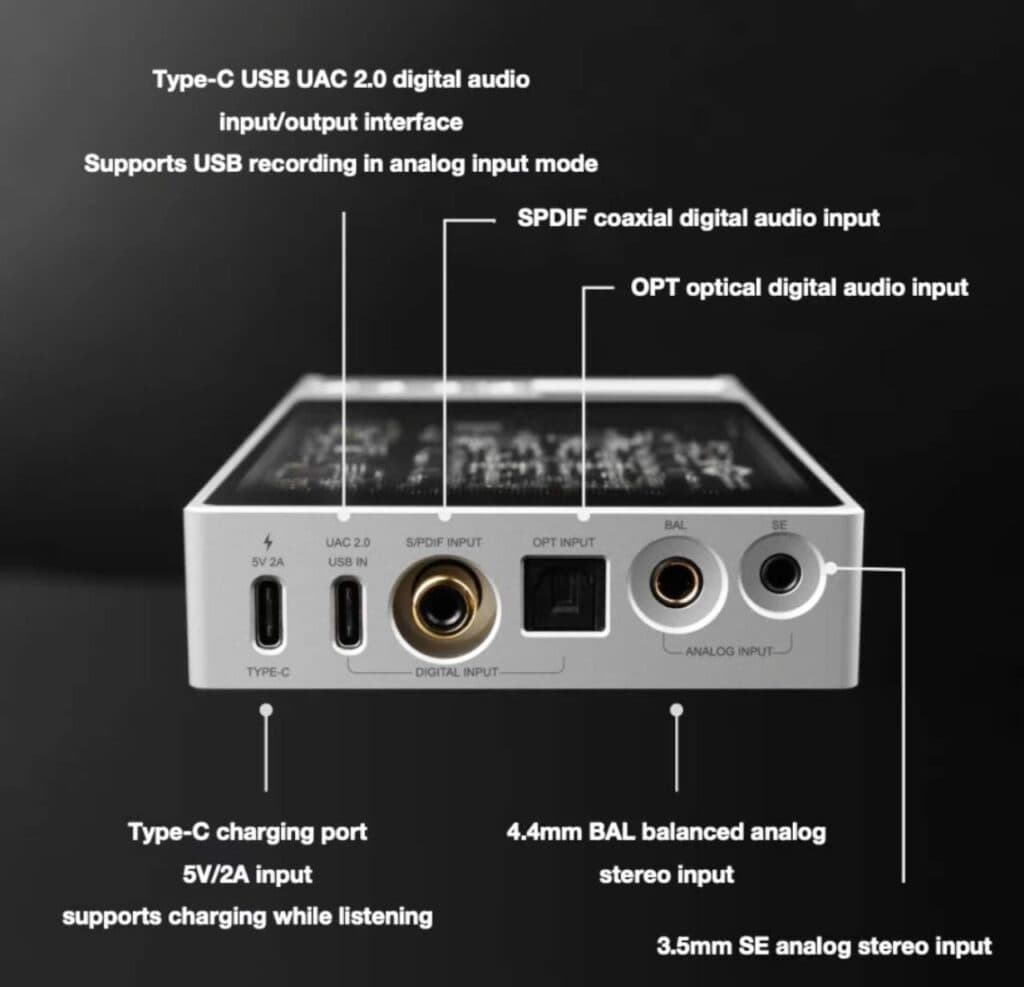
It features USB-C, optical, coaxial plus 3.5mm, 4.4mm and 6.35mm outputs.
Support is available too for Qualcomm Snapdragon Sound. You also get Sony’s LDAC if Snapdragon isn’t for you.
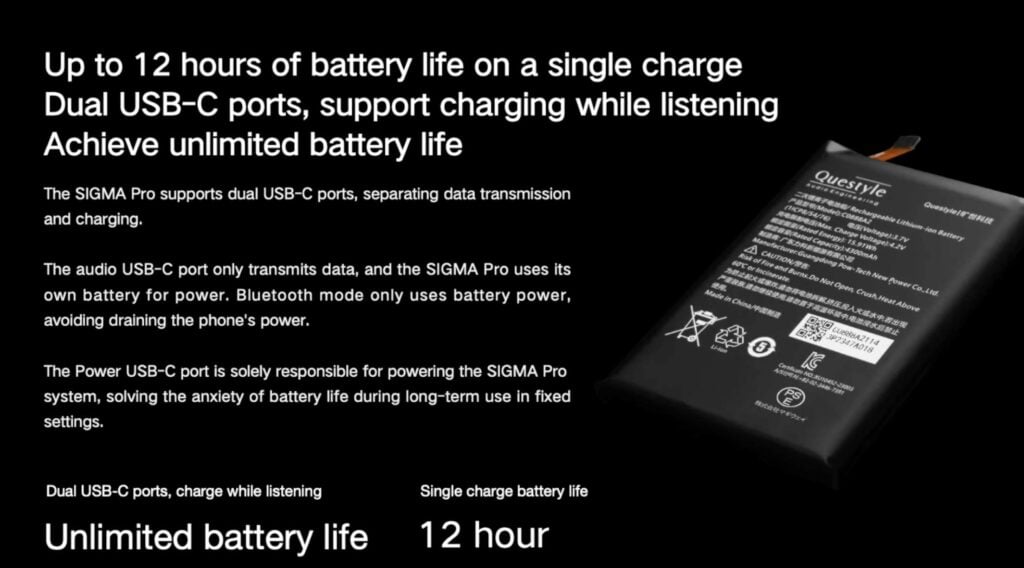
The box also has a 12-hour battery life and dual USB-C ports for charge and play.
In general terms, I like Questyle. I recall reviewing their CMA600i desktop headphone amplifier and DAC way back in 2017 and thought back then that their current mode tech offered a neutral and low-noise performance. I was hoping for similar here.
SOUND QUALITY
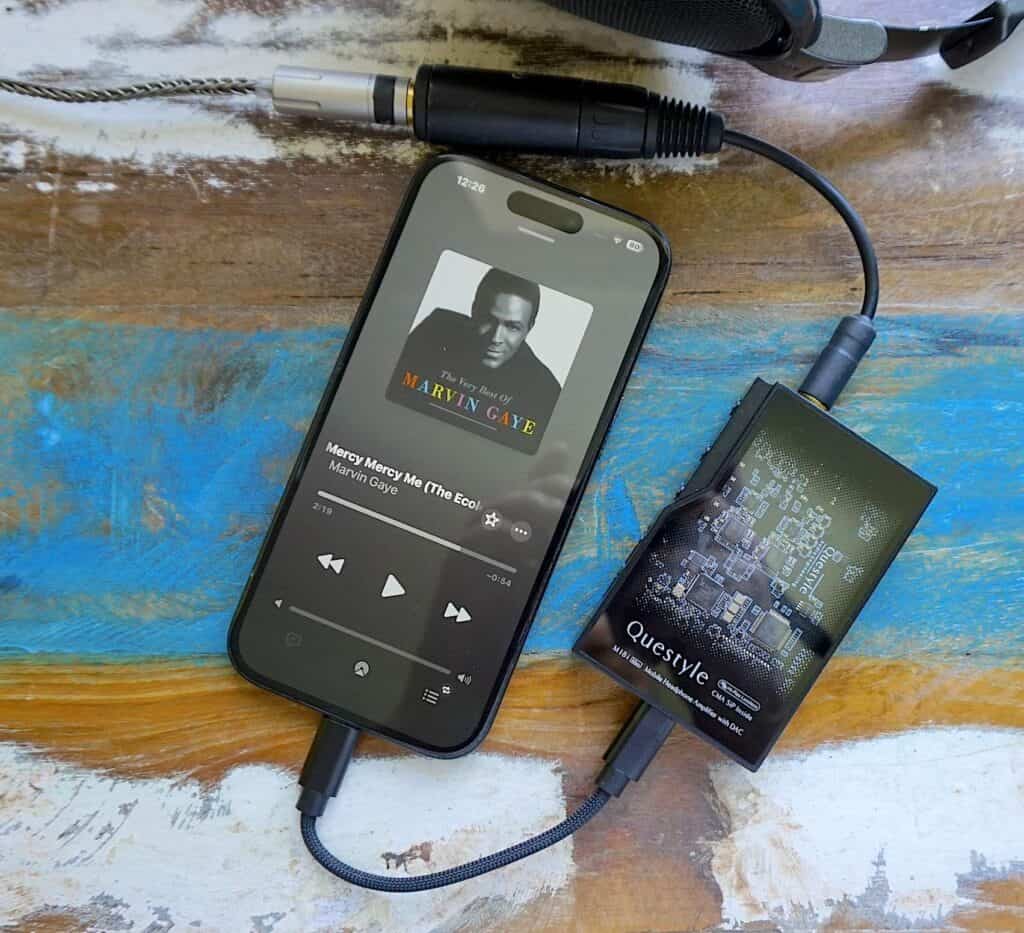
As Apple is plastered all over the packaging, I plugged the M18i Max into my iPhone 15 via a USB-C cable and played a lossy version of Mercy Mercy Me via Marvin Gaye. Sounding thin and rather brittle, this test was a challenge. I brought in my Mojo 2 and Sennhesier HD650 headphones as references.
M18I MAX PLAY
The Chord Mojo 2 did a great job of making this track listenable, creating a more balanced output. What the M18i Max did was to further enhance the bass and provide extra tonal balance to the track as a whole, strengthening the bass guitar and smoothing the lead and backing vocals. Piano now enjoyed extra space and air in its presentation while the sax was decidedly reedy in its presentation.
For my iPad Pro, I connected the M18i Max via Bluetooth and I played a selection of tracks via YouTube Music and the completely wonderful French, coldwave/minimal synth album Decadence via Deux.
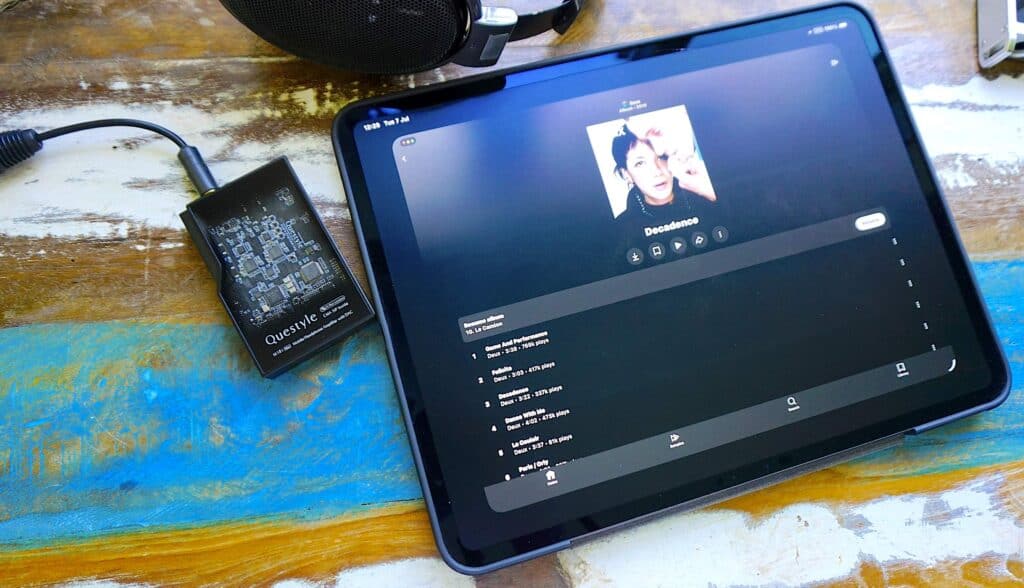
YouTube Music is a lossy service but the M18i Max did a great job in retaining as much detail as possible while presenting a tonally balanced presentation. Bass was relatively solid and weighty, the bare synth output, that raw and rather stripped electronic sound was successfully retained while the simple vocals maintained a simplistic delivery. We’re talking Bluetooth via iPad here so perfection is not possible but I was surprised how good this album sounded via the tablet.
SIGMA PRO PLAY
Moving to the Sigma Pro, which offered a host of extra inputs and outputs, I plugged in my old Astell&Kern AK120 from 2013, connecting it via a single-ended 3.5mm cable. Keeping the HD650s for now I played Bob Marley’s Jamming at 24bit/96kHz. Again, a neutral, balanced output was a highlight, low in noise, high in clarity with a real bass bounce to the percussion and clarity from the female backing voices.
I then switched to balanced output and my Sennheiser HD 660 S headphones. The sonic enhancement was noticeable. A much larger soundstage, bass was deep, tight and meaty, Marley’s vocals offered both emotion and nuance.
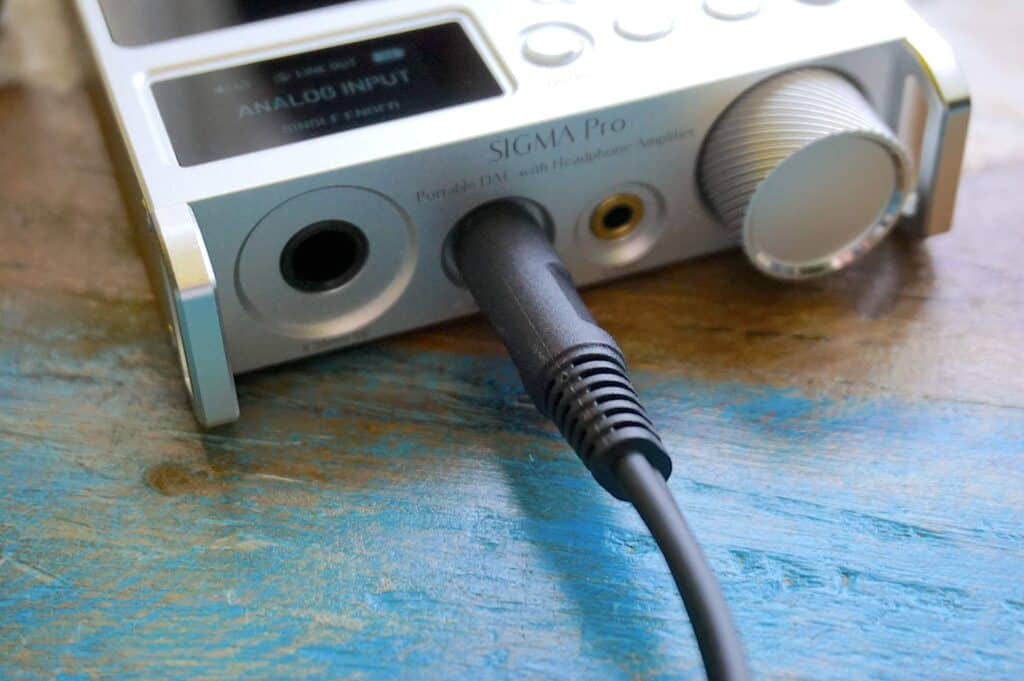
Note too that the illuminated circuit board does provide a visual indication of whether the amplifier is operating in single-ended or balanced mode. Four amber LEDs illuminate, showing that the fully balanced amplifier stages are active. Otherwise, only two lights are illuminated. This is a nice touch.
DAP UPGRADE
I retained the Sigma Pro and balanced headphones and plugged in my rather battered high-end Astell&Kern Kann Apha DAP. I wanted to compare the internal Kann Alpha amplifier and circuit board with the external Sigma Pro. To see if an upgrade was possible and, indeed, desirable.
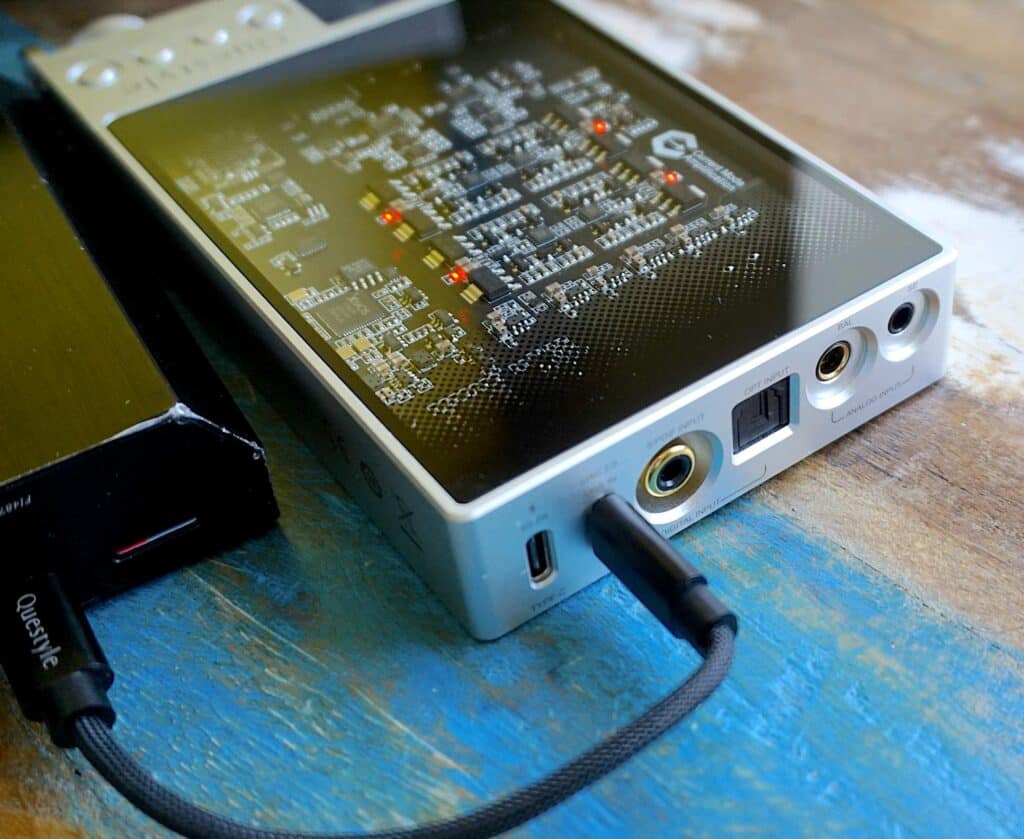
I played Nick Cave and the Bad Seeds and Waiting for You from the LP Ghosteen. Was there a sonic upgrade after plugging in the Sigma Pro? Absolutely yes. Again, noise was lower. There was a slight cooling edge on the Cave vocal, around the upper mid area on the Kann Alpha which was removed via the Sigma Pro. The piano offered a sense of clarity while the subtle background synth was now enhanced in detail terms. Enhanced by the overall transparency of the track. That is, it was much easier for the ear to penetrate the rear of the mix now.
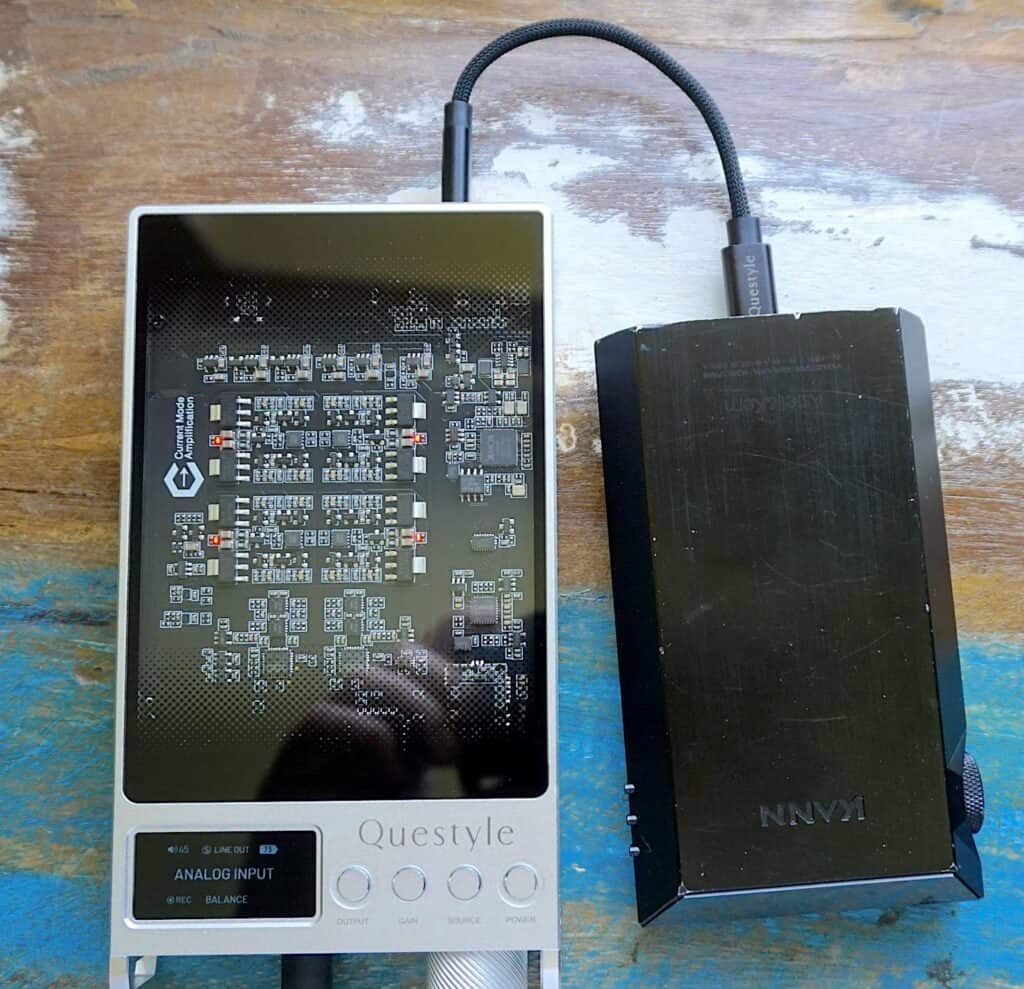
And as a quick coda? Testing that same Decadence LP via Bluetooth on the Sigma Pro further enhanced Bluetooth sound, expanding the soundstage, providing a stronger bass output and further improvements in both clarity and tonal balance.
CONCLUSION
Limited in terms of space and time, I could only provide a sample of the possibilities from these units. I could have gone on and on plugging in a host of sources into both of these DAC/Headphone amplifiers. Such is their flexibility. Although for broader connectivity, the Sigma Pro is the preferred choice.
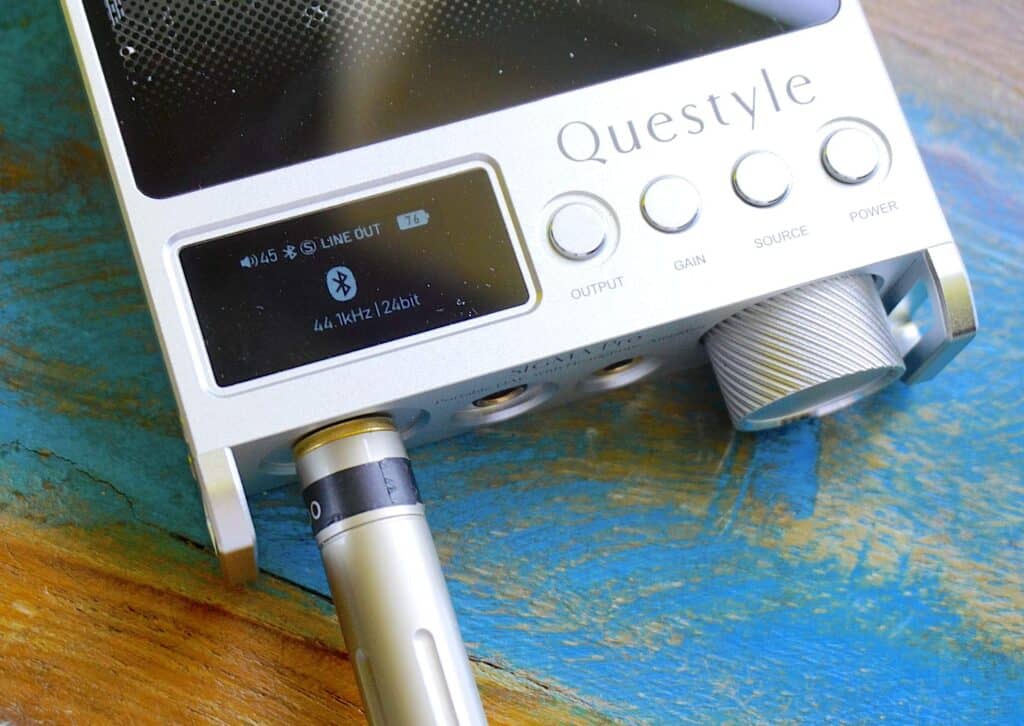
The M18iMax, due to its size, is the mobile option of the pair. I would keep the Sigma Pro on a desk or part of your HiFi chain. Although I didn’t see one for review, I would recommend grabbing the $40 case from the company’s online shop to protect the unit. You can also buy a dedicated magnetic leather case for the Sigma Pro priced at $50. I’m sure currency conversion will occur during checkout.
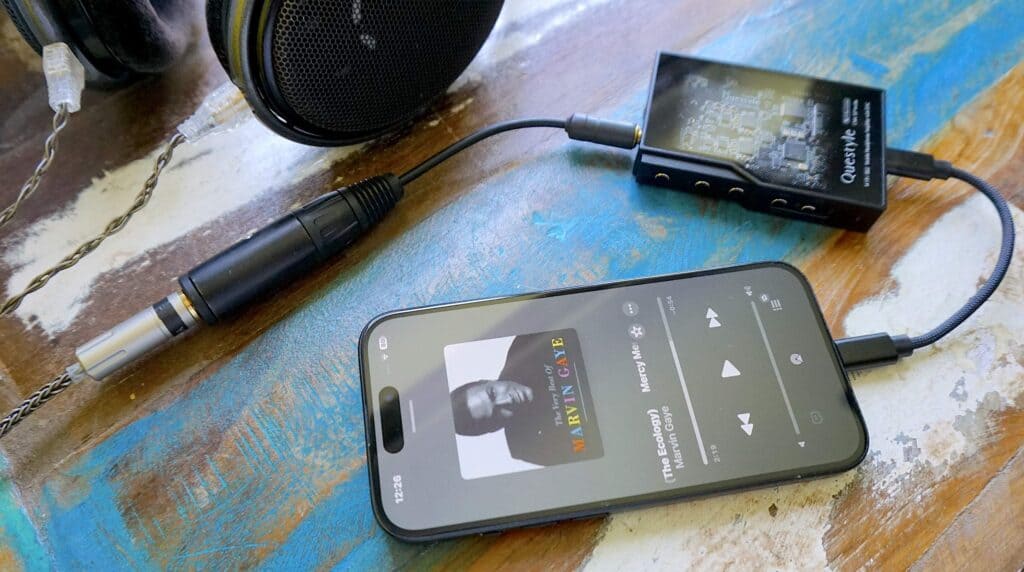
Both units sound excellent, Questyle’s low-noise tech works a treat producing both top notch tonal balance and tonal realism.
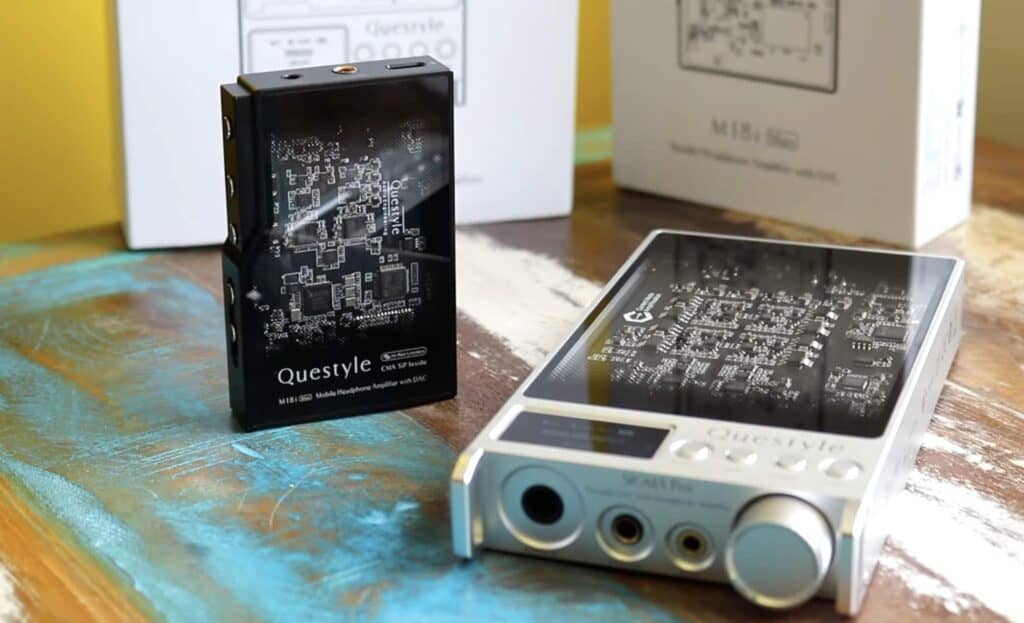
The M18iMax is a perfect way of upgrading your phone or tablet’s sound output while the Sigma Pro is a real HiFi unit and, as a bonus, works as an ideal method of upgrading the sound of your favourite digital audio player.
If you prefer the video version of this review, click below:
QUESTYLE M18IMAX DAC/HEADPHONE AMPLIFIER
Website: questyle.com
GOOD: compact size, Bluetooth performance, overall sound quality, easy to use
BAD: limited connectivity,
RATING: 8

QUESTYLE SIGMA PRO DAC/HEADPHONE AMPLIFIER
Website: questyle.com
GOOD: feature set, balanced sound, overall sound quality, DAP upgradability
BAD: nothing
Rating: 9

Reviewed by Paul Rigby — Hi-Fi journalist and editor for over 38 years

[Don’t forget to check out my Patreon Page at www.patreon.com/audiophileman, for exclusive postings, giveaways and more!]
I’ve been reading through lots of your headphone amp reviews for ideas on an amp to drive my Grado GS1000 headphones. I’ve had these since they were launched and ran them up until 10 years ago from a Naim Headline 2 powered by a Naim Hicap. This setup had the PRaT I’m now wanting to recreate but instead of finding another identical amp and psu what would you recommend for a fast, snappy “Naim like” presentation that would suit the GS1000 better?
I only have one source nowadays which is currently a Wiim Ultra into a Chord Mojo 2 and music is from ripped CDs but mostly hi res Qobuz content.
Hi Alan – looking at headphones as a priority, the Naim Uniti Atom Headphone Edition would be an obvious answer. A Chord Anni would be an alternative or even the Graham Slee Solo Ultra-Linear Diamond Edition.